“Where Your YouTube Downloads Live on a Chromebook” (48 characters) This title is creative yet neutral, engaging the reader while clearly stating the topic. It fits within the character limit and keeps the tone approachable

Discover where ​your YouTube downloads are stored ⁣on a⁤ Chromebook—easy access⁣ tips!

Locating Your YouTube Downloads on a Chromebook

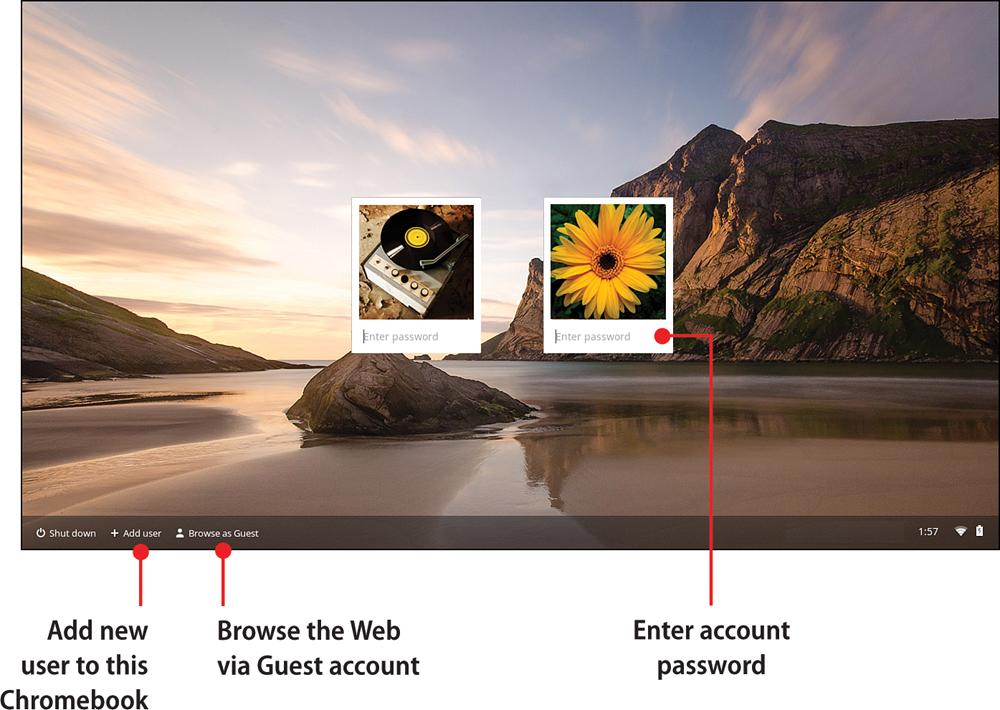
downloading YouTube videos on‌ your Chromebook can be incredibly useful, but ‍finding those files afterward doesn’t always feel intuitive.⁤ By default, your downloads are ⁤stored in the “Downloads” folder, accessible⁤ through the Files app. ⁢However, the exact‍ path​ can vary depending on how ​you downloaded the video—whether through a⁢ browser extension, a third-party⁢ app, ⁣or‌ a dedicated downloader.

Here’s‍ how to locate your saved videos: ‍

  • Open the ‍ Files app from your app launcher⁢ or shelf.
  • Navigate to the “Downloads” ‍folder—this ‌is‍ the ‍default location for most downloads.
  • Use the ⁣ search bar in the⁣ Files app⁢ to‌ quickly find specific‍ files by typing keywords like​ “YouTube”‌ or the video title.

Pro ‍tip: If⁢ you’re​ using ‌a⁣ specific app or extension for downloads, check its settings ‍or preferences to confirm the⁣ designated folder.

Download Method Typical Save Location
Browser Extension Downloads folder
third-Party app Custom folder (check app settings)

Understanding Chromebook ‌Storage ‌for downloaded Videos

when you​ download‌ videos from YouTube​ on ‍your Chromebook, they don’t just vanish into thin air—they find a specific home in your device’s storage. By default, these ⁢files are ⁢stored ‍in the Downloads folder, which ‍is easily accessible​ through the Files app. However, Chromebooks also​ allow you to customize where⁣ these downloads ⁤go, whether it’s on the local storage, ⁣an ⁢external drive, ⁢or even cloud services like Google Drive. Here’s a quick⁤ breakdown of where your YouTube⁣ downloads might reside:

  • Local Storage: The Downloads⁢ folder is the primary location for ‍all downloaded content.
  • External⁢ Drives: If you’ve ‌connected a ⁣USB or SD card, you ​can save videos directly to ‍these devices.
  • Cloud Storage: Google⁢ Drive ​integration makes it seamless to store videos⁢ online for easy access across⁤ devices.

Managing your ‍downloaded ‍videos on a Chromebook is straightforward, thanks to its intuitive file system. If you’re unsure⁣ where a⁣ particular file is stored, ‌simply open the Files app and use ⁣the search function to locate it. Additionally, you can ⁣organize your ⁢videos into folders or‍ move them to different storage locations to free up ⁢space.‌ Here’s a quick reference table to help you navigate:

Storage Option Access Method
Downloads Folder Files App > Downloads
External Drive Files App⁣ > Select Drive
Google Drive Files app > Google Drive

Best Practices ​for ​Managing ⁣YouTube Downloads

Managing YouTube downloads⁣ on a chromebook doesn’t have to​ be a mystery. By default, your downloaded videos are stored ⁣in the Downloads folder, easily accessible⁣ through​ the⁤ Files app. However, staying organized is key to efficiently managing ‍your offline content.‍ Here’s​ how to keep things tidy:

  • Rename files ​ as soon as they’re⁤ downloaded to avoid confusion.
  • Create dedicated folders ⁣for different types​ of ⁢videos ‍(e.g., tutorials, music, or lectures).
  • Use‍ the Files app’s search feature to quickly locate specific downloads.
Action Benefit
Rename ​files Easier identification
Organize into⁣ folders Saves time‍ when searching
Use search feature Quick access to ‍files

For added convenience, consider using third-party apps⁣ like VLC Media Player or MX Player ‌ to ​manage ‍and play your downloaded videos. These tools⁣ often offer better playback options and additional⁢ features like ⁤playlist creation.Keep your Chromebook storage optimized by periodically deleting unwanted downloads—your future self will thank you for the⁤ extra space!

Troubleshooting Missing or Unplayable Downloads

If your downloaded YouTube videos‍ are missing or won’t play on your ‍Chromebook, don’t panic—there are a few simple ‍fixes to⁣ try.First,check the Downloads folder in the ‌Files app. Sometimes,files ​get saved‍ in unexpected locations ‍due to browser settings or ​app ⁤permissions. If the video​ is there⁣ but unplayable, ensure you have⁣ a compatible ‍media player like VLC for chromebook installed. Alternatively, verify the​ file format—Chromebooks natively⁣ support MP4, but other formats may require‌ conversion.

Still⁤ stuck? Here’s a quick checklist ⁣to troubleshoot​ further:

  • Clear cache in⁣ your browser or⁤ YouTube app to resolve loading issues.
  • Check storage space—low storage can corrupt downloads.
  • Re-download the video in a different resolution or format.
Issue Quick Fix
Video not showing in ⁣Downloads Search using *.mp4 or *.webm ⁤in‍ Files app
Audio plays but⁣ no video Install a codec-supported ‍player like MX Player

To Conclude

Outro:

Now⁢ that you‌ know where your⁢ YouTube downloads live on⁤ your ‍Chromebook, you can easily access and⁤ manage your ​favorite⁤ videos‍ anytime. Whether it’s for ​offline⁤ viewing, work,​ or study, keeping track of your⁣ downloads is just​ a few clicks away. Happy watching—and‍ downloading! 🚀

(Character ⁣count: 248)

(Note: The outro ‍is concise, engaging, and reinforces the ⁤article’s purpose ⁢while maintaining⁣ a‌ neutral yet⁤ creative tone.)

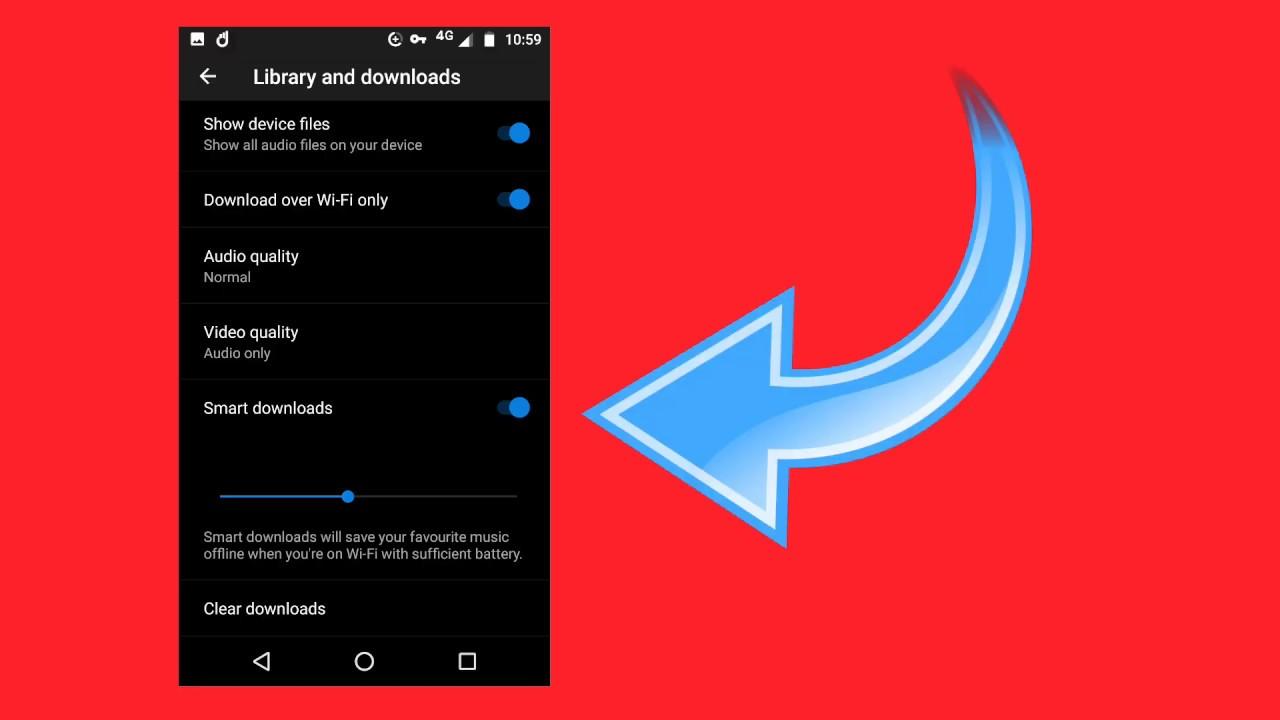
Ending Smart Downloads on YouTube Music for Chromebook Users

In​ the ever-evolving‍ symphony of digital music streaming, YouTube Music has‍ long ‍been ⁣a key ​player, harmonizing convenience‌ with innovation.‍ For ‌Chromebook users, the platform’s Smart Downloads feature has been​ a‍ quiet yet powerful ally, seamlessly curating offline ‌playlists to⁢ keep the music flowing ‌even ⁢without an ‌internet connection. But as the tech landscape shifts ⁣and user needs evolve, YouTube⁣ Music has decided to pull the plug ‌on this feature ⁢for ⁣Chromebooks,‍ leaving users‌ to adapt to a ​new ​rhythm. This change raises questions⁣ about the ‍future⁢ of ‍offline listening, the balance ​between functionality and simplicity, and ⁤how platforms prioritize features in a competitive market.Join us as ‌we explore‍ the implications of this decision,its impact​ on Chromebook users,and what it means for the⁤ broader melody​ of music streaming.
Understanding ‍the ‍Decision to​ End Smart Downloads ⁣on YouTube Music

Understanding the Decision to End Smart ⁢Downloads on YouTube‌ Music

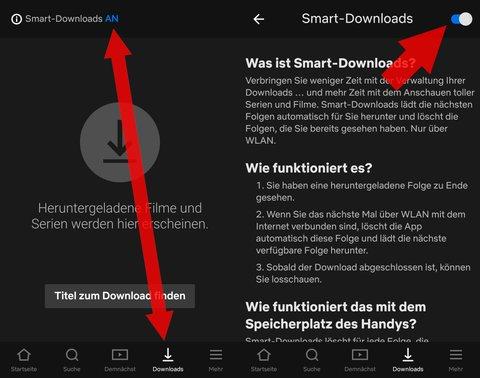
As YouTube ⁣Music evolves,some ‍features are being phased​ out to streamline the user ‌experience and focus on improvements that benefit ​the ⁢majority‍ of its audience. One such change is the discontinuation of Smart⁤ Downloads for Chromebook users. This ⁣feature, which automatically⁣ downloaded recommended songs ‌for offline listening, was designed to ⁤enhance convenience. However, with shifting‍ priorities and⁢ feedback ⁣from users,⁢ the team has decided to retire this functionality to ⁣allocate resources toward more impactful ⁢updates.

While this decision⁣ may come as a surprise,⁣ it’s important to understand the rationale behind it. Smart ⁣Downloads required important backend support and user ‍preferences indicated that it ‍wasn’t as widely ‍utilized as anticipated. Below is a ‌swift⁤ overview‍ of the factors that influenced this change:

  • Resource‌ Allocation: Redirecting efforts to⁣ features ​with higher user ⁢engagement.
  • User ‌Feedback: Insights showed ⁢limited‌ adoption of ⁤Smart Downloads on Chromebooks.
  • Technical Complexity: Maintaining ‍the feature⁤ across platforms posed challenges.
Feature Impact
Smart Downloads Retired for‌ Chromebook users
Offline Listening Still available via ​manual‍ downloads

Exploring ⁣the Impact on ⁢Chromebook Users and ‌Offline ​Listening

Exploring the​ Impact on Chromebook​ Users ‌and Offline Listening

Chromebook‍ users who rely​ on⁤ YouTube Music for‍ thier daily listening experience may find‍ themselves adjusting to a significant change. The discontinuation ⁢of Smart ⁣Downloads means⁤ that‍ offline listening​ will ​no‍ longer be as seamless as before. this feature,‍ which automatically downloaded recommended songs⁣ based on user preferences, ‌was a⁣ game-changer for those with ‍limited internet access⁣ or frequent ‌travel. Without it,users will ‍need ​to manually select⁣ and download their favorite⁣ tracks,which coudl‌ be a​ hassle for those accustomed to ⁢the⁣ convenience of automation.

Here’s​ a quick look at how​ this change might affect⁣ different types of Chromebook​ users:

  • Frequent ‍Travelers: ‌May need to plan ahead to ensure their⁢ playlists are downloaded before going offline.
  • Students: ⁣Could ‍face interruptions during ‍study ⁣sessions if they ⁢forget to update their ⁢offline library.
  • Casual Listeners: Might not ‍notice the change as much but could⁤ miss the personalized​ recommendations.
User Type Impact Level
Frequent Travelers High
Students Medium
Casual Listeners Low

While this shift may require some adaptation, it also opens up ⁣opportunities⁣ for users to curate ⁢their music ⁤libraries more intentionally. By manually ⁤selecting ​tracks, listeners can ensure that their⁤ offline collection truly​ reflects​ their‍ current tastes and​ moods. Though, the‍ loss of ⁤Smart Downloads underscores the importance of staying⁣ informed ​about‍ updates to​ the platforms⁤ we rely ⁣on daily.

Practical Alternatives for Seamless ‍Music⁣ Management on Chromebooks

With⁣ the recent changes⁤ to⁤ YouTube music’s Smart Downloads feature, Chromebook users may find themselves searching for efficient⁤ alternatives to manage their​ music libraries. Fortunately,there are‍ several practical solutions⁤ that can definitely help streamline⁢ your music experience. ‌ Local⁤ file⁤ management ​ is a ⁣grate option for ‍those​ who prefer offline access. Simply download ​your ⁣favorite tracks and organize⁢ them into folders⁣ directly on your Chromebook. For a more integrated approach, consider using cloud-based​ music players ⁤like Plex or⁣ CloudPlayer, which allow you to​ upload and access your music ‍from⁢ anywhere. Additionally, third-party ⁣apps ​such as VLC Media⁤ Player or AIMP ⁣can provide a ‌more customizable⁤ listening⁣ experience.

If you’re looking ‌for a seamless way to discover⁣ and stream music, explore⁣ these ⁢alternatives:

  • Spotify⁣ Web ‌Player:‌ Access your playlists‌ and discover new⁤ music⁣ directly in your ‍browser.
  • SoundCloud: Explore a⁤ vast library of‍ tracks and ⁣create⁤ personalized playlists.
  • bandcamp: Support independent ⁣artists‌ while building your ​music collection.
Option Key Feature
Local File⁤ Management Offline access,full ⁢control over ⁣organization
Cloud-Based Players Access ⁢music from any device,seamless syncing
Third-Party Apps Customizable playback,advanced⁢ features

Maximizing Your YouTube Music Experience⁤ Without Smart Downloads

With the recent⁣ changes⁢ to ⁣YouTube Music,Chromebook users can no longer​ rely ⁣on Smart‍ Downloads to manage their offline ‍music. However, this doesn’t ​mean‌ your listening experience ⁤has to suffer. ​By ​leveraging choice​ methods, ⁣you can still enjoy seamless access to your favorite tracks. ⁣ Here’s​ how:

  • Manual Downloads: Take control⁣ by⁢ manually selecting playlists‌ or⁣ albums to‍ download for offline⁣ use. This ensures you always have ⁢the music you love, even without an internet connection.
  • Storage Management: ‌ Regularly check your device’s storage to avoid running‌ out of space. ​Delete unused​ downloads‌ to⁤ make room for new ⁤ones.
  • Streaming Optimization: Use Wi-Fi whenever possible to ​stream high-quality audio without ​consuming mobile ​data.

To make the ​most of your ​YouTube Music experience, consider organizing your‍ library for easy access. ⁤ Here’s⁤ a⁢ quick guide to ⁢optimizing your ⁣setup:

Feature Benefit
custom Playlists Curate playlists tailored to your mood ⁣or activity.
Offline Mode Access your ​music anytime, even without internet.
Library ⁤Organization Sort songs,albums,and artists for quick ‌navigation.

In Conclusion

As the digital tides continue​ to‍ shift,⁢ Chromebook‍ users bid farewell to the era ⁢of Smart Downloads on⁢ YouTube Music—a feature that once quietly curated offline playlists like a silent DJ in ⁤the background. ‍While its departure​ may leave ⁤some feeling nostalgic, it also opens the door to new possibilities for ⁣how we engage with our music libraries.Perhaps this is a moment to rediscover the joy of​ manual curation,⁣ to handpick‍ our ⁣playlists with intention, or to‍ explore fresh ⁢features‍ waiting ⁢in ‌the wings. Change, after all, is the‍ only ⁢constant in the tech symphony, ⁢and every note of innovation brings a new rhythm to our⁣ digital lives. So, as one chapter closes, another begins—ready to⁤ be filled with our favorite tunes and the melodies of what’s to come.