

“Ever hit ‘share’ on a YouTube video without a second thought? In today’s digital age, sharing links is as easy as a click—but lurking beneath that simplicity are questions few of us pause to ask: Is it legal? Could it land you in copyright trouble? From viral clips to music videos, the line between sharing and infringement isn’t always clear. let’s unravel the legal gray areas, bust a few myths, and explore when hitting that share button might be riskier than you think.”
This introduction balances curiosity with neutrality, inviting readers to explore the topic without leaning toward alarmism or oversimplification. Would you like any refinements?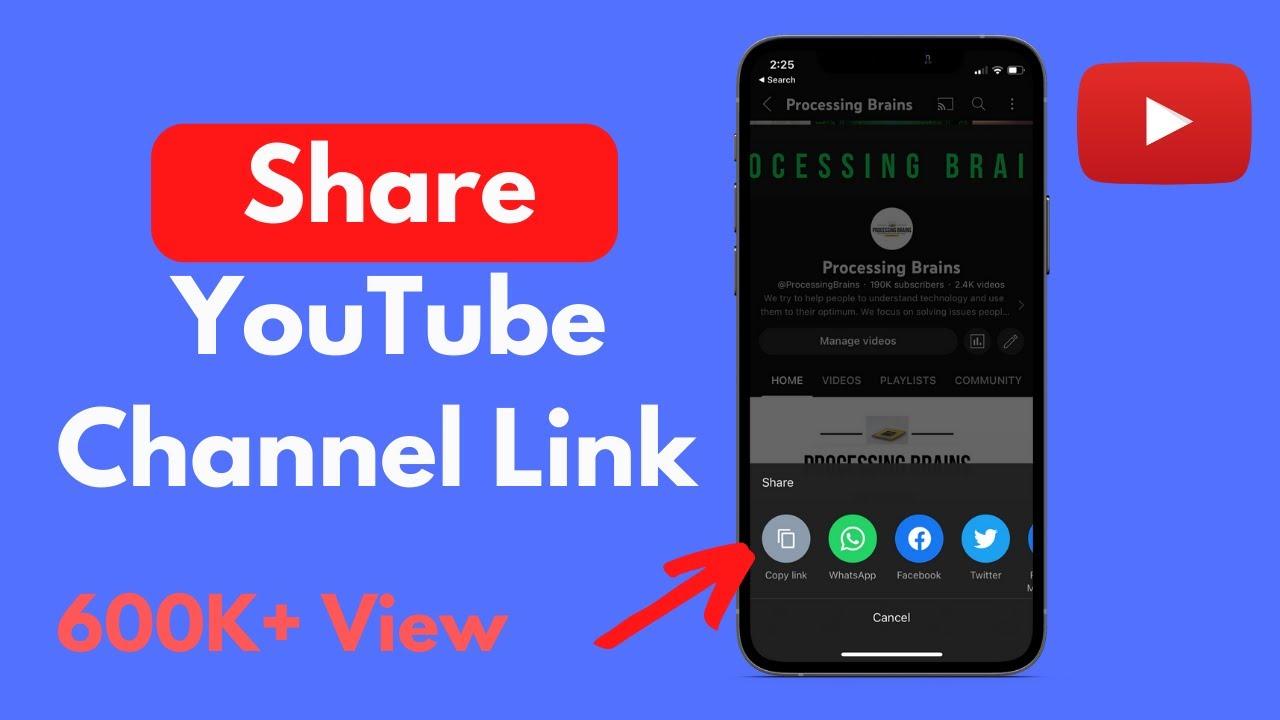
Understanding the Legal Landscape of Sharing YouTube Links
Sharing YouTube links is a common practice in today’s digital age, but it raises meaningful legal questions. Copyright laws play a significant role in determining whether sharing a link is permissible. When you share a video, you’re not distributing the content itself but rather providing access to it. However, if the video contains copyrighted material without proper authorization, you could inadvertently be promoting infringement. It’s crucial to understand that while sharing links is generally legal, the context and content of the video matter.
Here are some key considerations to keep in mind:
- Public vs. Private videos: Sharing private or unlisted videos without consent can lead to legal consequences.
- Monetization: If the shared video generates revenue, ensure it complies with YouTube’s monetization policies.
- Fair Use: In some cases, sharing links to copyrighted material may fall under fair use, but this is highly context-dependent.
| Scenario | Legal Implication |
|---|---|
| Sharing a public video | Generally legal, unless the content is copyrighted without permission. |
| Sharing a private video | Potentially illegal without the owner’s consent. |
| Linking to pirated content | Directly violates copyright laws. |
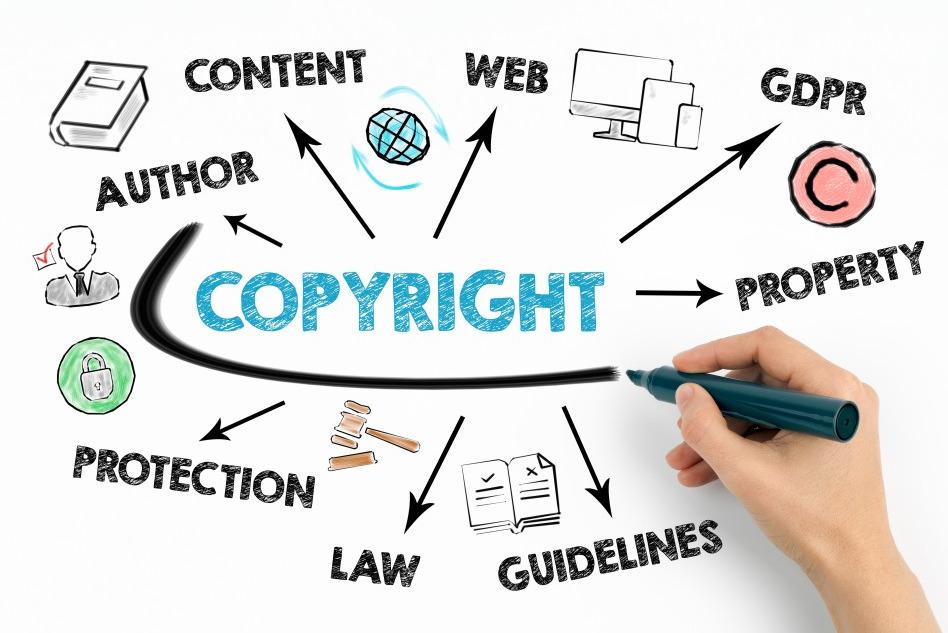
Copyright Implications When Sharing Video Content Online
Sharing YouTube links online may seem harmless, but it’s essential to understand the legal nuances involved. While embedding or sharing a link to a YouTube video is generally permissible, it’s not a free-for-all. The platform’s Terms of Service and copyright laws determine what’s allowed. As a notable example, sharing a link to a video that you don’t own or have permission to distribute could lead to issues if the content infringes on someone else’s intellectual property. Always ensure the video is publicly available and not restricted by the uploader.
Here are some key considerations to keep in mind:
- Permissions: Verify that the video is shared under a Creative Commons license or with the uploader’s consent.
- Content Ownership: Avoid sharing links to videos that use copyrighted material without proper licensing.
- Platform Policies: Familiarize yourself with YouTube’s guidelines to avoid violating their terms.
| Action | Legal Implication |
|---|---|
| Sharing Public Videos | Generally legal |
| Sharing Copyrighted Content | Potential Infringement |
| Embedding Videos | Usually Safe |
Best Practices for Sharing YouTube Links Legally and Ethically
When sharing YouTube links, it’s crucial to ensure that your actions align with both legal and ethical standards.First, always verify that the content you’re sharing is not infringing on copyright laws. Avoid sharing links to videos that contain pirated material or unauthorized use of copyrighted music,images,or other media. Second, respect the creator’s intent by sharing videos as they are, without altering their context or misleading viewers. Crediting the original creator in your post or description is not only ethical but also fosters a culture of respect and acknowledgment.
To make your sharing practices more effective,consider the following guidelines:
- Use YouTube’s Embed Feature: Embedding videos directly on your website or blog is a secure and legal way to share content while adhering to platform policies.
- Check for Monetization Restrictions: Some creators disable embedding or restrict their content to specific regions; always respect these limitations.
- Avoid Misleading Thumbnails or Titles: Use the original video’s title and thumbnail to maintain transparency and avoid confusion.
| Action | Legal/Ethical Consideration |
|---|---|
| Sharing public YouTube links | Generally legal, but ensure content is original and not pirated. |
| Altering video content | unethical and may violate copyright terms. |
| Embedding videos | Supported by YouTube if embedding is enabled by the creator. |
Navigating Fair Use and Permissions in YouTube Sharing Scenarios
When it comes to sharing YouTube links, the line between legality and copyright infringement can ofen seem blurry.Fair use plays a significant role here, but it’s essential to understand its limitations. For instance, sharing a link to a video is generally legal since you’re directing viewers to the original content rather than reproducing it. However,embedding videos or using snippets in your own content might raise concerns,especially if it’s for commercial purposes or impacts the original creator’s revenue.
Here’s a quick breakdown of key considerations:
- Public vs. Private Videos: Sharing private videos without permission is a clear violation of copyright.
- Transformative Use: Adding commentary, criticism, or educational value may qualify as fair use.
- Commercial Intent: Monetizing content that includes someone else’s work often requires explicit permission.
| Scenario | Is It Allowed? |
|---|---|
| Sharing a direct link to a public video | ✅ Yes |
| Using a video clip in a monetized project | ❌ No, without permission |
| Adding commentary to a video snippet | ✔️ Possibly, under fair use |
To Wrap It Up
“So, the next time you’re about to hit that ‘share’ button on a YouTube video, pause for a moment. Ask yourself: Is this a bridge to inspiration, or a potential pothole of copyright complications? Sharing is, after all, an art—one that thrives on respect for creators, their content, and the fine print that binds it all. Whether you’re passing on a tutorial, a tune, or a viral clip, remember: the internet is a vast, interconnected canvas. Let’s keep it vibrant, legal, and fair. Happy sharing—responsibly!” 🌐✨
