
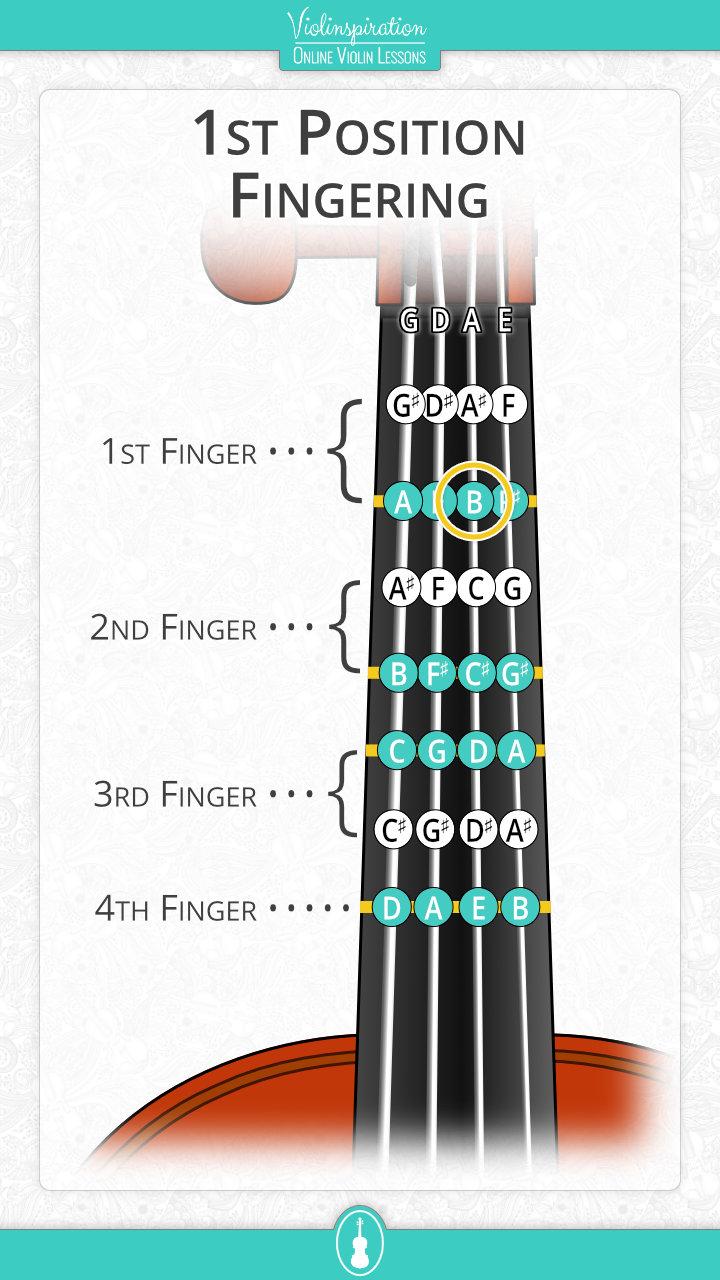
Embarking on the journey to master the violin is akin to unlocking a symphony of possibilities, where every note holds the promise of new melodies. Yet, for beginners, the sheet music sprawled before them can frequently enough feel like an enigmatic code waiting to be deciphered.Enter the world of YouTube—a treasure trove of digital tutorials and insights designed to demystify the art of reading violin music.Whether you’re just starting out or seeking to refine your skills, this beginner’s guide offers a harmonious blend of accessible instruction and practical tips, all curated to help you confidently navigate the staves and strings. Let the music begin!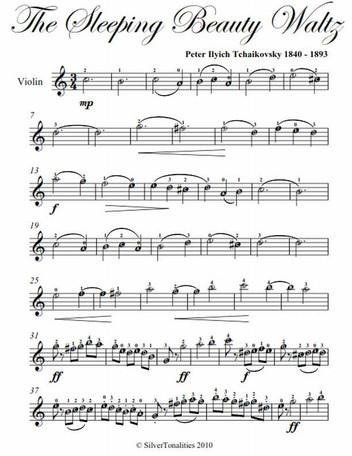
Understanding the Basics of Violin Sheet Music
Learning to read violin sheet music can seem daunting at first, but breaking it down into manageable steps makes the process much easier. Start by familiarizing yourself with the staff, the set of five horizontal lines where musical notes are placed. Each line and space represents a specific note, and for violinists, the treble clef is your primary focus. Recognizing note values — like whole notes, half notes, and quarter notes — is essential for understanding rhythm. Additionally, pay attention to time signatures, which indicate how many beats are in each measure. Tools like youtube tutorials can be incredibly helpful for visual and auditory learners, offering step-by-step guidance. Here’s a swift breakdown of what to focus on:
- Staff and Clef: The foundation of reading sheet music.
- Note placement: identify notes on the lines and spaces.
- Rhythm: Understand note durations and rests.
- Key Signatures: Learn sharps and flats for different scales.
To make it even simpler, here’s a table summarizing the basic note values and their corresponding beats:
| Note | Duration |
|---|---|
| Whole Note | 4 Beats |
| Half Note | 2 Beats |
| Quarter Note | 1 Beat |
| Eighth Note | ½ Beat |
By mastering these fundamentals, you’ll build a strong foundation for reading and interpreting violin sheet music with confidence. Practice consistently, and don’t hesitate to revisit beginner-friendly YouTube videos to reinforce your learning.
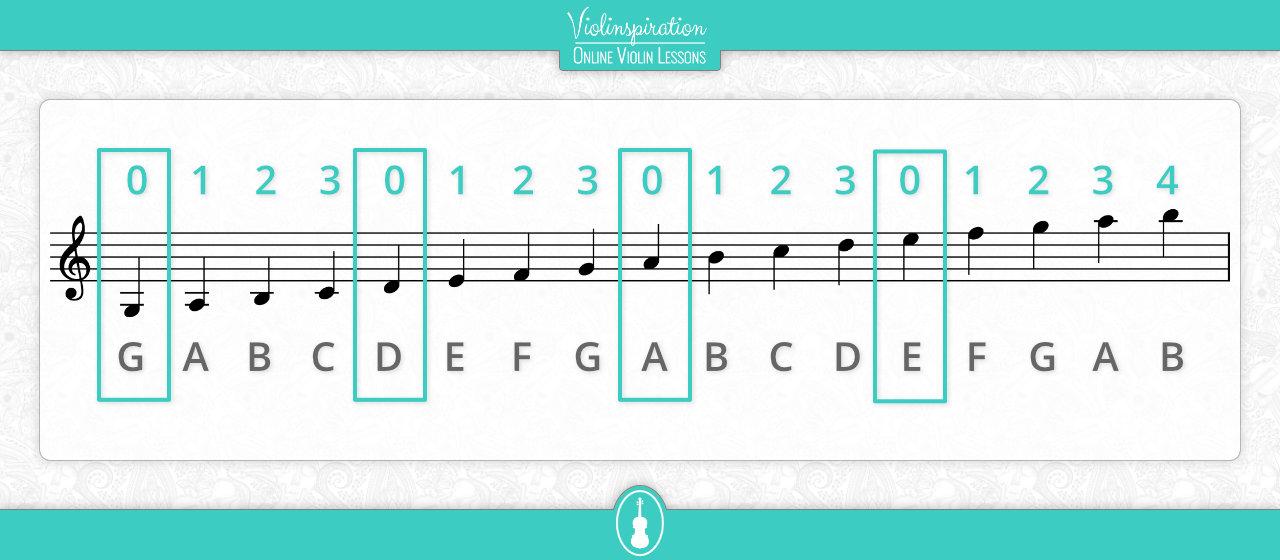
Exploring YouTube’s Best Tutorials for Note Reading
learning to read violin notes can feel overwhelming, but YouTube offers a treasure trove of tutorials to guide you every step of the way. Channels like Violin Lab and Ted’s List break down complex concepts into digestible lessons, perfect for beginners.These creators focus on fundamentals such as note identification, finger placement, and rhythm, ensuring you build a solid foundation. additionally,many videos include interactive exercises and downloadable resources to practice alongside the lessons.
| Channel | Focus Area |
|---|---|
| Violin Lab | note Reading basics |
| Ted’s List | Rhythm & Timing |
| Online Violin Education | Visual Aids & Practice Tips |
For visual learners,Online Violin Education excels with clear diagrams and animations that make note reading intuitive. Their videos often incorporate slow-motion demonstrations, allowing you to follow along at your own pace. Whether you’re mastering the staff, understanding key signatures, or decoding sheet music, these tutorials provide the tools to transform confusion into confidence. Remember, consistency is key—dedicate time daily to watch, practice, and apply these lessons for steady progress.
Practical Tips to Improve Your Music reading Skills
Reading music for the violin can feel overwhelming at first, but with consistent practice and the right tools, it becomes second nature. Start by familiarizing yourself with basic music notation, such as clefs, notes, and rhythms. Use YouTube tutorials to visualize how notes translate to finger placement on the violin. Break down sheet music into smaller sections and practice slowly, gradually increasing your speed as you gain confidence. Additionally, apps and online resources can definitely help reinforce your learning by providing interactive exercises and quizzes.
Here are some actionable tips to enhance your music reading skills:
- Label your sheet music: write down note names or fingering positions to reinforce your memory.
- Practice daily: even 10-15 minutes of focused reading practice can make a significant difference.
- Watch YouTube videos: Follow along with tutorials to see how professionals interpret sheet music.
| Resource | Benefit |
|---|---|
| YouTube Tutorials | Visual and auditory learning |
| Music Apps | Interactive practice |
| Sheet Music | Direct reading experience |
Recommended Channels and Videos for Beginners
Starting your violin journey can be both exciting and overwhelming, but YouTube offers a wealth of resources to help you grasp the basics of reading music. Here are some standout channels and videos that break down violin notes in an easy-to-follow way:
- Violin Lab – Beth Blackerby’s tutorials are perfect for beginners, with clear explanations on note-reading and finger placement.
- Fiddlerman – known for his patient teaching style, his videos cover everything from sheet music basics to simple melodies.
- Online Piano & Violin Tutor – offers structured lessons that gradually introduce music theory alongside violin techniques.
for visual learners,check out these specific videos that simplify note recognition and rhythm:
| video Title | Key Focus |
|---|---|
| “How to Read Violin Sheet Music” (Violin Lab) | Note names & staff navigation |
| “First Violin Notes for Beginners” (Fiddlerman) | Open strings & basic scales |
Closing Remarks
Outro:
And there you have it—your first steps into the world of reading violin notes! Whether you’re following along with YouTube tutorials or practicing on your own,remember that every great musician started right where you are. Keep experimenting,stay patient,and let the music guide you. Before long, those notes on the page will transform into melodies under your fingertips. Happy playing! ✨
(Want more tips? Drop your questions in the comments—we’d love to help!)
