

How Many Views Does It Take to Earn on YouTube?
Ever wondered what it takes to turn YouTube views into real earnings? In a world where viral videos and trending content reign supreme, the question lingers: how many clicks does it actually take to see a paycheck? Whether you’re a budding creator or just curious about the platform’s monetization magic, the journey from views to dollars is both intriguing and complex. Let’s dive into the numbers, the strategies, and the realities of YouTube’s earning potential.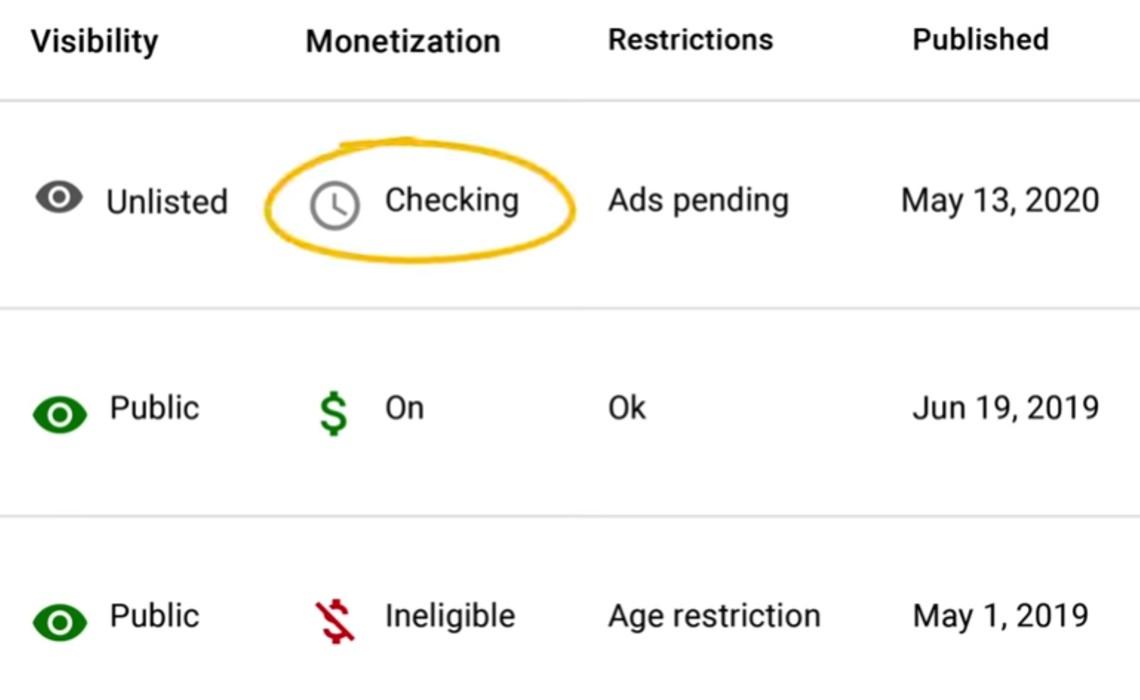
Understanding YouTube Monetization and Viewership Thresholds
Earning on YouTube isn’t just about hitting a magic number of views—it’s a mix of meeting platform requirements, audience engagement, and content strategy. To start monetizing, creators must join the YouTube Partner Program (YPP), wich requires:
- 1,000 subscribers
- 4,000 watch hours in the past 12 months (or 10M Shorts views)
- Adherence to YouTube’s policies
Once in the program, earnings depend on factors like ad formats, viewer demographics, and niche competitiveness.For example, a tech review channel might earn more per 1,000 views (CPM) than a vlogging channel due to higher advertiser demand.
| Content Type | Avg.CPM (USD) |
|---|---|
| Finance/Tech | $10–$25 |
| Gaming | $2–$5 |
| Lifestyle/vlogs | $1–$3 |
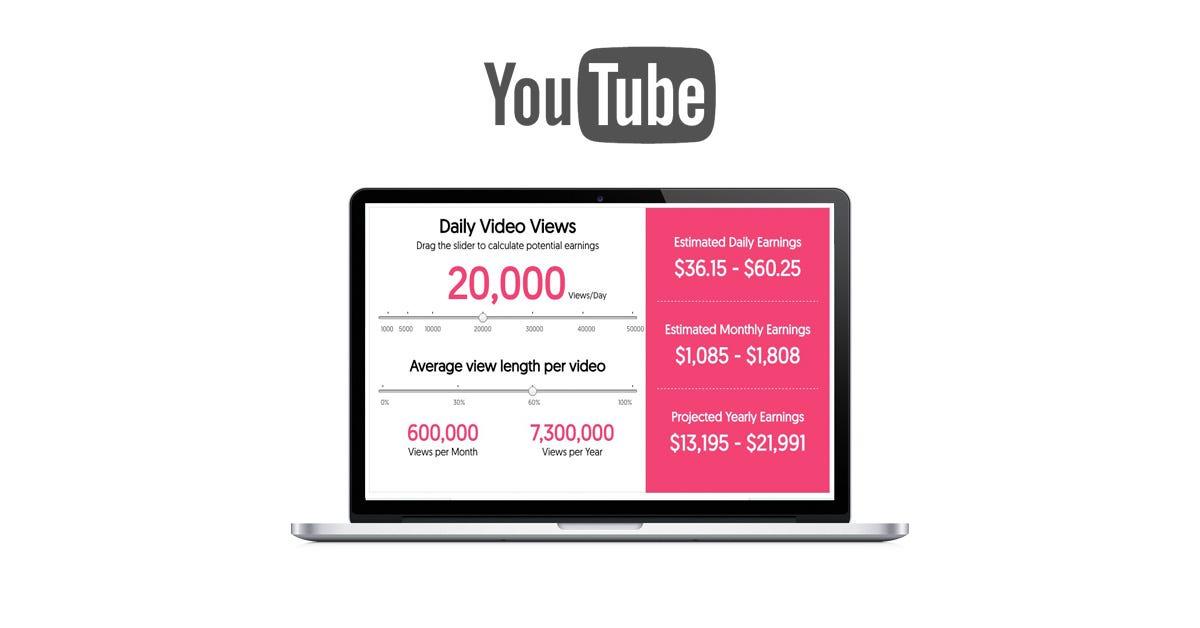
Creators frequently enough diversify income with sponsorships, memberships, or merchandise, as ad revenue alone can be unpredictable. A viral video with 100K views might generate $500—or $50—depending on these variables. Consistency and audience loyalty ultimately drive enduring earnings.
Analyzing Factors That Impact Earnings Per View
Understanding how earnings per view are calculated on YouTube involves analyzing several interconnected factors. Your niche plays a notable role—highly competitive industries like tech or finance often yield higher earnings per view compared to less lucrative categories. Advertiser demand also fluctuates seasonally, impacting how much you earn from each view. Additionally, geographic location of your audience matters; viewers in countries with higher purchasing power typically generate more revenue.
Another critical aspect is engagement metrics, such as watch time and click-through rates, which can influence ad placement and CPM (Cost Per Mille).Here’s a quick breakdown of factors that affect earnings:
- Content type: Tutorials and reviews frequently enough attract more advertisers than vlogs.
- Audience demographics: younger audiences might engage more but spend less, affecting ad revenue.
- Video length: Longer videos allow for mid-roll ads, increasing earning potential.
| Factor | Impact on Earnings |
|---|---|
| Niche | High competition = higher earnings |
| Advertiser Demand | Seasonal fluctuations |
| Audience Location | Higher GDP = higher revenue |
Optimizing Content for Higher revenue Potential
Monetizing your YouTube channel isn’t just about hitting a magic number of views—it’s about strategic optimization. While YouTube’s Partner Program requires 1,000 subscribers and 4,000 watch hours in the past year, revenue potential depends on factors like niche, audience engagement, and ad placement. Focus on:
- High-CPM content (finance, tech, or business niches often perform better).
- Retention rates—longer watch times boost ad revenue.
- diversified income streams (sponsorships, affiliate links, or merchandise).
| Factor | Impact on Earnings |
|---|---|
| Audience Location | Higher CPM in regions like the U.S. or U.K. |
| Video Length | 10+ minutes allow mid-roll ads. |
Instead of chasing views alone, refine your content strategy. A video with 50,000 views in a low-CPM niche might earn less than one with 10,000 views in a lucrative market. Analyze your analytics to spot trends—seasonal spikes, top-performing formats, or audience demographics—and tailor future uploads accordingly. Remember, consistency and adaptability turn views into sustainable income.
Strategies to Maximize Views and Convert Earnings
monetizing your YouTube channel isn’t just about hitting a certain number of views; it’s about maximizing the potential of each view. Start by optimizing your content for both viewers and the algorithm. Use compelling titles, thumbnails, and descriptions to attract clicks. Leverage SEO techniques like keyword research and hashtags to improve discoverability. The more engaging your video is, the longer viewers stay, boosting watch time—a critical factor for monetization.
Here’s how you can turn views into earnings more effectively:
- Diversify income streams: Combine ad revenue with sponsorships, affiliate marketing, and merchandise sales.
- Engage your audience: Respond to comments, create community posts, and encourage subscriptions to build loyalty.
- Analyze performance: Use YouTube analytics to identify what works and refine your strategy.
| Action | Impact on Earnings |
|---|---|
| Increase watch time | Higher ad revenue and better rankings |
| Boost viewer engagement | More loyal audience and potential sponsorships |
| Expand content niches | Access to broader audience and revenue streams |
Balancing Creativity and consistency for Sustainable Income
finding the right balance between creativity and consistency is essential for building a sustainable income on YouTube. While chasing views is tempting, quality content that resonates with your audience is what truly drives long-term success. Consistency in posting keeps your channel active, but creativity ensures your content stands out in a crowded space. Think of it as a virtuous cycle: compelling videos attract more viewers, which increases engagement, and sustained engagement leads to better monetization opportunities.
To optimize this balance, consider the following strategies:
- Plan your content calendar to maintain a steady posting schedule without compromising creativity.
- Experiment with diverse formats like tutorials, vlogs, or live streams to keep your audience engaged.
- Analyze your audience analytics to understand what works and refine your approach.
| Strategy | Impact |
|---|---|
| Content Calendar | Ensures regular uploads |
| Diverse Formats | Boosts audience retention |
| Analytics Review | Improves content relevance |
Future Outlook
So, how many views does it take to earn on YouTube? The answer isn’t set in stone—it’s a blend of views, engagement, niche, and audience loyalty. While the numbers matter, the real magic lies in creating content that resonates, builds a community, and keeps viewers coming back. Whether you’re chasing your first dollar or aiming for a steady income, remember: success on YouTube is a journey, not a sprint.Keep experimenting, stay consistent, and let the views—and revenue—follow.
