Can Netflix Clips Grace Your YouTube Uploads?

in the ever-evolving dance between streaming giants and content creators, a pressing question pirouettes into⁤ the ‍spotlight: Can Netflix clips ⁢legally waltz​ their way into your YouTube uploads? As platforms ⁣like YouTube flourish⁣ with user-generated ⁤content, the lines of ‍copyright and fair use blur into‌ a gray haze. Creators are eager to harness captivating‍ moments from Netflix’s treasure trove of original series and films,​ but navigating the maze of legalities requires more than just a sharp eye and a creative flair. this article dives into‌ the delicate balance of crafting​ engaging content while respecting the boundaries set by one of the world’s most ⁣dominant streaming platforms. Whether you’re a seasoned YouTuber ⁤or ⁢an aspiring‌ storyteller, understanding the rules of the game could make all the difference between a viral hit and a copyright strike.

Ever wondered if‍ those gripping Netflix scenes you love can spice up your YouTube content? The answer isn’t as straightforward as a “yes” or “no.” Copyright laws protect original content, meaning unauthorized use of⁤ Netflix clips could lead to ⁤ strikes, demonetization, or even legal action.However, fair use exceptions—like commentary, criticism, or​ education—might offer⁤ a lifeline. Here’s what you should consider:

  • Fair Use: Transformative content (e.g., reviews, breakdowns) may qualify, but it’s a⁤ legal⁣ gray⁢ area.
  • Netflix’s Terms: Their policies explicitly prohibit redistribution without permission.
  • Alternatives: Use ⁣royalty-free libraries or Netflix’s official press assets (where⁢ available).
Risk Consequence
Direct Uploads Immediate takedown or channel penalties
Unedited Clips Copyright claims diverting ad revenue

Creators frequently enough walk a tightrope ‌between inspiration and infringement. While short, transformative snippets might ‌fly under​ the radar, Netflix’s automated ‌detection systems are notoriously vigilant. Instead ⁤of gambling with⁣ your channel’s ‌future, explore licensed alternatives or collaborate with platforms offering‌ legal clip permissions. Remember: originality isn’t just safer—it’s ⁤more rewarding in the⁤ long run.

Editing Techniques ‍to Transform Netflix Content into Original Clips

Transforming Netflix content into captivating YouTube clips requires a blend of creativity and technical finesse. start by isolating key moments that ⁢resonate ‌with viewers—be ⁤it a dramatic twist, a hilarious⁢ exchange, or ⁢a visually stunning scene. Rearrange thes moments to craft a narrative⁤ flow that feels fresh ​and‍ engaging. Adding custom overlays,‌ such as text annotations or graphics, can enhance storytelling and make‌ the clip uniquely yours. Don’t forget to experiment with color grading and subtle⁣ transitions to elevate the visual appeal.

Technique Impact
Trim & Trim Focuses attention on critical scenes
Audio‍ Enhancements Adds depth and emotion
Text Overlays Provides context & commentary

another effective approach is to ‌ incorporate choice audio, such as voiceovers or ‍background‍ music, to set a distinct tone.This not only ‌avoids copyright‍ issues but⁢ also adds ‌a layer of originality. Pair this with tight editing to ensure the clip ⁣is concise and impactful. Lastly, ⁣consider adding ⁣a personal touch—whether it’s​ through humor, insights, or a unique​ perspective—this ‌will make your uploads memorable and shareable.By mastering these techniques, Netflix‍ content can seamlessly transition into ⁣YouTube-worthy creations.

exploring Fair Use Exceptions for​ Educational and Commentary Videos

Ever wondered if you can‍ legally include Netflix clips in your ⁣YouTube ⁤videos? Fair use​ exceptions might offer some⁢ flexibility, but navigating the rules requires careful consideration. Here’s what ⁢you need to know:

  • Purpose Matters: Educational breakdowns, ‍critiques,‌ or transformative commentary ⁤are⁣ more likely to qualify than simple reposts.
  • Length & Context: Shorter clips used to⁢ support your analysis are safer ⁤than extended, unaltered ‍scenes.
  • Market Impact: If your video could replace the original⁣ content (e.g., posting full episodes), ⁢fair use won’t apply.
Scenario Fair Use Likely?
Analyzing cinematography in a 30-second clip Yes
Uploading a full season recap with‍ spoilers No

Creators frequently ⁤enough push boundaries, but remember: fair use isn’t a free pass. Netflix aggressively protects its IP, and automated takedowns don’t always distinguish between infringement and legitimate use.⁢ When in doubt, consult legal resources or opt for royalty-free alternatives to keep your channel ⁤thriving.

Using Netflix⁣ clips in⁣ your ⁤YouTube videos might seem like a rapid way to engage viewers, but it’s a‍ risky move. Netflix content is protected by copyright laws, and unauthorized ‌use can lead to strikes or even channel termination.Instead, focus on creating original content or leveraging royalty-free resources. Here are some tips to keep you on the safe⁣ side:

  • use licensed material: ​Opt for ‌clips⁤ or⁢ music that come ‌with⁣ proper permissions or licenses.
  • Add transformative ​value: Edit or comment on the⁢ content to make ‌it⁤ unique and fall under fair use.
  • Credit‍ sources: If you’re using permitted material, always give proper attribution.

To⁢ better‍ understand what’s acceptable, here’s a quick guide:

Content Type Risk ‌Level Recommended Action
Netflix Clips High Avoid unless officially ​licensed.
Royalty-Free Media Low Use freely with proper⁤ attribution.
User-Generated Content Medium Ensure ​creator permission beforehand.

Wrapping Up

Outro:

So, can ​Netflix clips‍ find a home in your YouTube uploads? The answer isn’t black and white—it’s​ more like a ‌carefully negotiated shade of streaming gray. While the allure⁤ of ⁤sharing your favorite scenes is strong, copyright rules and fair use boundaries keep ⁢the game ‍unpredictable. If you’re ⁢diving in, tread wisely: transform, ⁤critique, or add value to ‍stay on the right side‌ of the algorithm—and⁤ the law.At the ‌end of the day, ​creativity thrives where rules and risks collide. Whether you’re crafting a clever edit or dissecting a scene,remember—the best content doesn’t just ‍borrow; it reinvents. Happy streaming (and uploading)! 🎬✨
Mastering DaVinci Export Settings for Flawless YouTube Uploads

In the vast digital tapestry of YouTube, where content‍ reigns⁤ supreme, the final stitch that holds your masterpiece together is frequently enough overlooked: the export settings. Whether you’re a seasoned creator or ‍a budding filmmaker, mastering DaVinci Resolve’s export settings can be⁣ the difference ‍between a video‌ that​ dazzles and one⁤ that disappoints. It’s not just about clicking ​“Export” and hoping for the best—it’s about understanding the nuances⁤ that ensure your vision translates seamlessly onto screens worldwide. From bitrates to codecs, resolution ​to color spaces,⁤ every⁤ choice you make shapes how your audience experiences your work. Dive in as we unravel the secrets to flawless YouTube ​uploads, ensuring your‍ content ‍shines as​ brightly as you intended.
Understanding DaVinci Resolve Export ⁤Presets for Optimal Video ‍Quality

Understanding⁢ DaVinci Resolve Export Presets for Optimal Video Quality

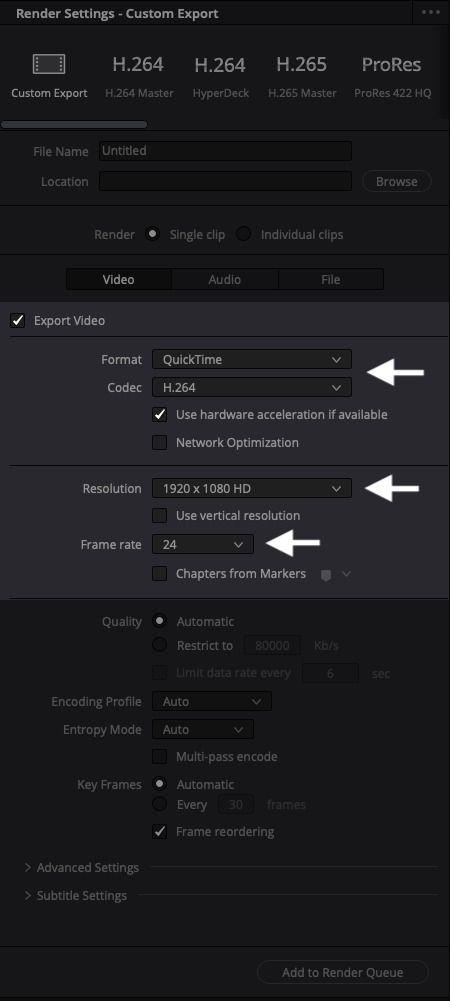
When‌ exporting your videos in DaVinci Resolve, selecting the right ‍preset is crucial for ​ensuring your content looks professional on‌ YouTube. The platform’s compression‍ algorithms⁢ can ‍drastically ‌affect video quality, so choosing optimal settings is ⁤key. DaVinci Resolve offers a ‍range of presets, but the YouTube 1080p and YouTube ‍4K options are⁤ particularly ‌useful.⁣ These presets are tailored to balance quality and file size, making them ideal​ for most⁢ creators.However, tweaking ‍these settings slightly can further enhance your⁣ results:

  • Set the Codec to H.264 ‌ for compatibility and efficient compression.
  • Adjust the Bitrate to match your ⁣resolution—12-16 Mbps ⁤for 1080p and⁣ 35-45 Mbps ⁤for 4K ensures crisp visuals.
  • Enable Hardware Encoding if available,to speed up⁣ the export ‌process without sacrificing‍ quality.
Resolution Recommended Bitrate Codec
1080p‍ (Full HD) 12-16 Mbps H.264
4K‌ (ultra HD) 35-45 Mbps H.264

Beyond resolution‌ and⁣ bitrate,pay attention to‌ frame ‍rate and ⁢ aspect⁢ ratio to align with YouTube’s standards. Match your timeline settings to your ‌export settings to avoid unnecessary scaling. Additionally, consider using the Quick Export ⁤ feature for fast deliveries, ‍but‌ always review the output before uploading.‍ By ​mastering these export settings, you can ensure ⁤your videos retain‍ their intended⁤ clarity and impact, even ‍after YouTube’s compression.

Choosing ⁣the Right Resolution and ⁤Frame Rate for YouTube‍ Compatibility

Choosing the Right Resolution and Frame Rate for YouTube Compatibility

When preparing your video for YouTube, resolution and ⁤frame rate ‍ are critical ​factors‍ that​ determine its visual quality‌ and playback smoothness. Opt for 1080p (Full HD) as the standard resolution, as ​it strikes ⁤a ⁣balance⁣ between ⁢quality and file size, ensuring your video⁤ looks crisp without causing excessive buffering for viewers.⁣ For higher-quality content, especially​ for cinematic or detail-heavy videos, consider 4K (2160p), wich YouTube fully supports. As ⁢for frame rate,30fps is ideal⁤ for most videos,providing⁢ a‍ natural look,while 60fps is perfect⁣ for action-packed or fast-paced content,offering smoother motion.

Understanding YouTube’s recommended⁣ settings ensures your video maintains its integrity post-upload. here’s a ⁢quick reference table for optimal choices:

Resolution frame Rate Best Use Case
1080p (Full HD) 30fps Standard ‍videos, vlogs, tutorials
1080p (Full HD) 60fps Gaming, sports, fast action
4K (2160p) 30fps Cinematic, detail-rich⁣ content
4K (2160p) 60fps High-quality action ‍or slow-motion shots

Optimizing Bitrate and Codec Settings for Crisp visuals and Smaller File ⁣Sizes

When exporting ⁣your project in DaVinci Resolve, striking ⁤the perfect ⁤balance⁤ between visual quality⁢ and file⁣ size is essential ‍for YouTube​ uploads. Start ‌by selecting the‍ H.264 or H.265 codec,⁢ both of which are widely supported and⁣ efficient. For 1080p videos, a bitrate of 10-12‍ Mbps ensures crisp visuals⁣ without unnecessary bloat.⁢ For 4K content,⁤ aim for 25-35​ Mbps to maintain ⁢detail while‍ keeping ⁣the file size manageable. Additionally, enabling two-pass encoding optimizes the ‍compression process, ensuring smoother playback and better ⁣quality.

Consider ​these key settings for ‌optimal results:

  • Resolution: ‌ match your project settings (e.g.,‍ 1920×1080 or 3840×2160).
  • Frame Rate: Export at​ the same​ frame rate used during editing to avoid inconsistencies.
  • Key‌ Frames: Set to Automatic for seamless transitions.
  • Audio: Use AAC codec at 320 kbps for clear, high-quality sound.
Resolution Recommended‌ Bitrate
1080p 10-12 Mbps
4K 25-35⁢ Mbps

By fine-tuning these settings, you’ll achieve⁣ professional-looking videos that load quickly and look stunning on‍ YouTube,⁣ ensuring your⁤ content stands out in a crowded digital landscape.

Fine-Tuning Audio Export Settings to Ensure Seamless Playback on YouTube

when ‌preparing your video for YouTube, ⁣fine-tuning the audio⁤ export settings in DaVinci Resolve⁤ is crucial for⁣ ensuring ​a‍ professional ‍and seamless viewing experience.youtube’s compression algorithms can significantly alter your audio ​quality if the settings aren’t​ optimized. Here’s what you ‌need to​ focus on:

  • Audio Codec: Use AAC (Advanced‌ Audio‍ Codec) for compatibility ⁣and balance‍ between quality ‍and file size.
  • Bitrate: Aim ⁢for a bitrate of‍ 320 kbps for stereo ⁢audio to ⁣maintain clarity without excessive file⁤ size.
  • Sample Rate: ⁢Stick to 48 ​kHz,​ the industry standard for video, ⁢to ensure⁤ smooth playback.

Additionally, balancing⁢ your⁢ audio levels before export is⁢ essential. YouTube normalizes audio ⁣to -14⁣ LUFS (Loudness Units​ Full Scale), so ensure your⁤ mix is close to this target to avoid sudden volume shifts. Use DaVinci’s ‌Fairlight tab to:

Tool Function
loudness Meter Monitor and adjust audio levels to ‍match‍ YouTube’s LUFS⁣ standard.
Limiter Prevent audio clipping ‍and ensure ‍consistent ​volume.

To Wrap ​It Up

Outro:

And there you ⁤have ‌it—your ultimate guide to mastering davinci Resolve’s export settings for ⁣flawless YouTube uploads! With these tips in your‌ toolkit, you’re⁣ ready to render crisp, high-quality videos that shine ⁣on ⁤any screen. No ⁢more⁣ guesswork, no more pixelated playback—just smooth, professional results every ⁢time. ‍

Now,hit export with confidence and let your creativity take center stage. Happy ‍editing, and may your uploads always be buffer-free!⁤ 🎬✨ ⁤

(Got any pro ⁢export tricks​ of your own?​ Drop them in the comments—we’d ⁣love to hear your secrets!)