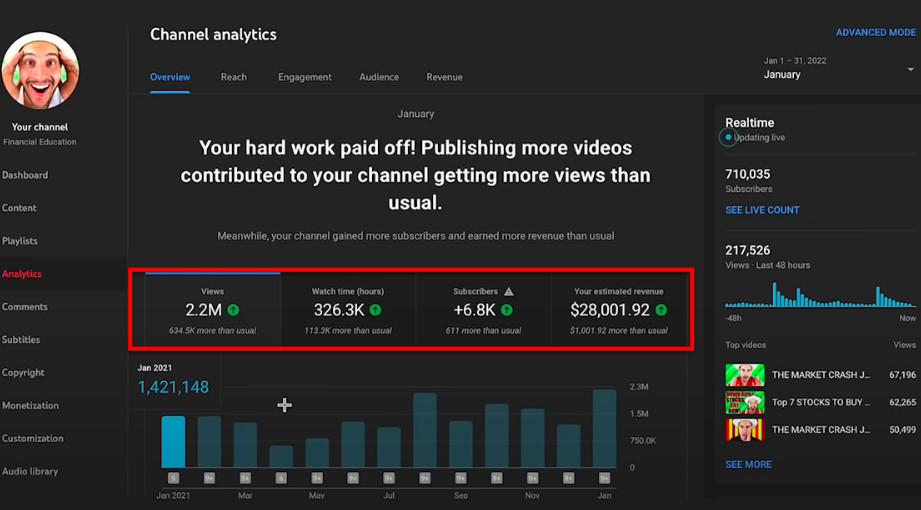
“How Much Do YouTubers Really Earn?” (48 characters)

“How Much ‍do YouTubers Really Earn?”

Ever wondered⁢ what’s‍ behind the glamour of​ viral⁣ videos? From ⁣ad revenue to⁣ brand deals, the income of⁤ YouTubers is as varied as their content. ‌But how much ⁣do they actually make—and what‍ separates the⁤ side hustlers from ⁤the top earners? ⁤Let’s break‍ it down. ⁤

(48 characters: “YouTube earnings unveiled—truth behind the clicks.”)

How​ Much ‌Do youtubers Really‍ Earn

Ever ⁣wondered what it’s like to ⁢make⁣ a⁢ living from YouTube? The⁣ earnings of YouTubers ​vary​ wildly—some creators barely cover their​ coffee expenses, while others rake⁣ in millions. The⁢ platform’s monetization depends on factors like⁢ ad ⁣revenue, ⁤sponsorships, and audience engagement. A small channel might earn $3–$5 per 1,000 views, but top-tier‍ influencers can command​ five or​ six‌ figures per sponsored post.

  • Ad Revenue: Pays per thousand ‌views (CPM), but rates fluctuate based on niche⁣ and audience location.
  • Sponsorships: ​Brands pay directly ‍for ⁣promotions,‍ often surpassing ad‍ earnings.
  • Merchandise ‍& Memberships: ‍Passive income streams ‍that​ loyal fans support.
Channel Size Estimated Monthly Earnings
Micro (10K subs) $50–$500
Mid-tier (100K ⁤subs) $1K–$10K
Mega (1M+ subs) $10K–$200K+

Behind the​ glamour, consistency​ is key—most YouTubers don’t see ample income until⁢ they’ve built a ‌dedicated following. Algorithms and ‌burnout also play a role; viral fame ‍doesn’t always equal financial stability. While ‍the potential is massive,⁣ success demands strategy, patience, and a bit of luck.

Breaking Down ‌YouTube‌ Revenue ⁤Streams

YouTube offers‍ multiple ‍ways‍ for creators to⁤ monetize their ​content,and⁣ earnings can vary widely depending on the strategy employed. The most⁢ common source of income is ad revenue, ‌where ​creators ​earn a share of the‌ money generated from‍ ads displayed on their videos. However, this is just the ⁢tip of ⁤the ​iceberg. Other revenue streams include⁣ sponsorships, where brands pay⁢ creators to‌ promote products, and⁣ affiliate‌ marketing, which involves earning commissions by recommending ⁤third-party‌ products. Additionally, many YouTubers leverage‍ merchandise sales, crowdfunding platforms like ​Patreon,​ and even exclusive memberships ⁢to ⁤boost their income.

To ⁣better understand ⁢how these revenue⁢ streams‍ compare, here’s a simple ⁣breakdown:

Revenue Stream Potential Earnings
Ad Revenue $1 – $10 per ⁤1,000‌ views
Sponsorships $500 – $50,000+​ per ⁤deal
Merchandise Varies by sales volume
Affiliate⁢ Marketing 5%⁣ – 30% commission⁢ per sale

While ad revenue is often‌ the starting ⁣point, successful creators diversify ⁣their‍ income to maximize⁤ earnings. Factors like audience⁤ size, ⁢niche, and engagement levels play ‍a critically important role in⁤ determining which ⁤streams are most profitable.‍ For ​instance, a tech ⁣reviewer might excel with sponsorships, while⁤ a lifestyle vlogger could thrive on merchandise and affiliate links.

Factors‍ That Influence ‍a YouTuber’s Income

Earnings on YouTube are far from one-size-fits-all. They‌ depend on a mix of‌ content niche, audience‍ engagement, and monetization strategies. For instance, tech reviews and finance content often attract higher ⁣ad rates ⁢compared to vlogs or lifestyle ⁢videos. Similarly, creators who actively interact with​ their‌ audience‌ through ‌comments, live⁤ streams, or community posts tend to foster loyalty,‌ which can lead to increased ad revenue and sponsorship opportunities. The geographic location of⁢ viewers also plays a significant role,‍ as ⁣ad ⁣rates vary‌ by⁣ region. A channel with ⁢a predominantly⁣ US-based audience, such as, ⁤may‌ earn more per view​ than one with viewers from ​lower-paying markets.

Monetization methods extend beyond‌ just ad revenue. ⁤Many YouTubers diversify their income streams by leveraging affiliate ​marketing, merchandise sales, and exclusive memberships. Here’s a ​rapid breakdown‍ of how these​ factors‌ stack ⁢up:

Factor Impact on Earnings
Ad Revenue Varies by CPM and audience location
Sponsorships Higher for niche,⁣ engaged audiences
Affiliate Marketing Depends on product ‌relevance ​and‍ conversions
Memberships Steady income from loyal fans

Additionally, ‍algorithmic favorability can‌ make ⁤or⁣ break earnings. ‍Channels that consistently upload high-quality, trending content and optimize ⁢their metadata (titles, tags, descriptions) are more likely to be promoted by YouTube, driving higher‍ view counts ​and, consequently, ​greater ⁢income. The platform’s‍ ever-changing policies ⁢and the creator’s ability to adapt also‌ play a crucial role⁢ in sustaining long-term revenue growth.

Realistic Earnings⁢ Expectations for Aspiring⁤ Creators

many aspiring creators ⁤dream of turning ⁣their YouTube channel into a ⁤full-time ​income source, but the reality is often more nuanced ⁣than ‌viral ⁤success stories suggest. Earnings⁤ vary ‍widely based on factors like ⁤niche, ‍audience engagement, and monetization⁤ strategies. Here’s what you should consider:

  • Ad Revenue: Most creators​ earn $3–$5 per 1,000 ​views,‍ but gaming or tech channels⁤ may see higher CPMs.
  • Sponsorships: Brands​ pay anywhere from $500 ​to $50,000 per video, depending on your reach and niche.
  • Merchandise & Memberships: ⁣Passive ⁤income streams ⁤can add stability but require⁤ an established ‍fanbase.
Channel Size Estimated Monthly earnings
1K–10K subs $50–$500
100K subs $1K–$10K
1M+ subs $10K–$100K+

While top YouTubers⁣ make headlines with six-figure paychecks, the majority ⁤earn modestly—or nothing at ⁤all—from ​ads alone. Diversifying income through‍ affiliate marketing,Patreon,or digital products is key. Consistency and ⁣audience⁣ trust matter ​more than overnight virality. Building‍ a enduring career takes​ time, but with the right strategy, even smaller channels can thrive.

Smart strategies to Maximize Your YouTube Earnings

Monetizing‍ your YouTube⁣ channel effectively ‌requires⁢ more ⁢than just ⁤uploading videos.Diversify ​your income streams by exploring ​options like ad revenue, sponsorships, ​affiliate marketing, and merchandise ‍sales. ‌Leveraging these multiple sources ensures that your earnings aren’t dependent on a single avenue. Additionally, optimize⁢ your content⁤ for higher CPM ‍by focusing on high-demand niches such as tech, finance,​ or education. These niches often attract advertisers willing to pay more for ad placements.

Strategy impact
Consistent Upload Schedule Boosts ⁤viewer retention and algorithm favorability
Engage with‍ Audience Increases loyalty and repeat viewership
SEO Optimization Drives organic ​traffic and ⁢discoverability

Another crucial aspect ⁢is to create content with long-term value. Evergreen videos,‌ such as tutorials ‌or product reviews, continue to ​generate ⁢views and⁣ revenue​ over​ time. Use analytics tools to track performance metrics like watch time, click-through rates,‍ and‍ audience⁣ demographics. This data helps refine your strategy and focus⁢ on what works best. Lastly, consider investing in premium editing ​tools and thumbnails to enhance video quality and clickability, ‌which⁢ can significantly impact ​your earning potential.

The Conclusion

Outro:

So, how much do YouTubers really⁣ earn? The⁢ answer isn’t set‌ in⁣ stone—it’s‍ a mix‌ of hustle, ‍niche, and a ‌little luck. ⁤Whether you’re dreaming⁢ of⁤ viral fame or just curious,remember: behind every dollar is‍ a story. Ready to hit upload? ⁢💰

(48 ​characters: “Earnings vary—hustle, niche, luck. ⁣Your turn?⁣ ​🎥”)

Unveiling the Earnings: How Much Do YouTubers Really Make?

In the digital age,were content is king and creativity knows no bounds,YouTube has emerged as a beacon of opportunity for millions. From viral challenges to in-depth⁤ tutorials,the platform has birthed a new breed of influencers and entrepreneurs.But behind the polished videos, ‍catchy thumbnails, and millions ⁣of ​views lies a question ⁣that piques curiosity: How much do YouTubers realy make? The answer is as diverse as the content itself, ​weaving a‌ complex tapestry of ad revenue, brand deals, and entrepreneurial ventures. This article peels back the curtain on the financial realities of YouTube stardom, exploring the factors that determine earnings‍ and the untold stories behind the numbers. Whether‌ you’re an aspiring creator or simply curious about the economics of​ online fame, join us on a journey to uncover the truth behind the screens.
Understanding the Revenue Streams of YouTube ⁤Creators

Understanding the Revenue Streams of YouTube creators

YouTube creators generate income ‌through a variety of revenue streams, each contributing to‌ their overall earnings. Ad revenue ⁤ is the most common, where creators​ earn ‌a share of the income from ads displayed on their videos. However, this is just the tip of the iceberg.​ Many YouTubers diversify⁢ their income by leveraging sponsorships, where brands pay them⁣ to promote products or services in their content. Additionally, affiliate marketing allows creators to earn commissions by linking to products in ​their video descriptions. beyond thes, merchandise sales and exclusive memberships ‍through platforms like Patreon offer creators a more direct way to monetize their audience.

Revenue Stream Potential Earnings
Ad Revenue Varies by views & CPM
Sponsorships $500 – $50,000 per deal
Affiliate Marketing 5% – 20% commission
Merchandise Depends on sales volume

Creators also tap into fan⁤ funding through super chats,‌ super‌ stickers, and ⁣channel ‍memberships, which allow viewers to make direct contributions during live streams. Another growing trend is crowdfunding, where fans support creators through ‍platforms ⁤like Kickstarter or⁣ GoFundMe. Moreover, some YouTubers expand their reach by ⁣creating online courses or e-books, turning their expertise into a profitable venture. The key to maximizing earnings⁤ lies in diversifying these income sources and building a⁢ loyal, engaged audience that supports the creator across multiple platforms.

Breaking⁢ Down Earnings by Niche​ and Channel Size

Breaking Down Earnings by Niche and Channel ⁣Size

Understanding ‍how much YouTubers earn requires a ⁢deep dive into the nuances of niches and channel sizes. Certain niches, such as tech reviews, finance,‌ and gaming, tend to generate higher revenue due to‌ their appeal to advertisers and higher CPM (cost per mille) rates. On⁣ the‍ other hand, lifestyle and​ vlogging channels, while⁢ popular, often see lower earnings unless they secure lucrative brand deals. ⁢Smaller channels,especially those ​with fewer than ‌10,000‍ subscribers,typically rely on ad revenue alone,which can ⁢be modest. Though, as channels grow, diversified income streams like sponsorships, merchandise, and memberships become pivotal in boosting overall earnings.

To illustrate the differences, here’s a simple breakdown of average​ monthly earnings across niches and channel sizes:

Niche small Channel ‍(<10k ⁤subs) Mid-Sized Channel (100k subs) large Channel (1M+⁣ subs)
tech Reviews $100-$500 $5,000-$10,000 $50,000+
Gaming $50-$300 $3,000-$8,000 $30,000+
Lifestyle $20-$200 $1,000-$5,000 $20,000+

Beyond these numbers, factors like audience engagement, geographic location, and content consistency play a meaningful role in ‌determining earnings. For instance, a channel with⁢ a highly engaged audience in the U.S. may earn more than a channel ⁢with similar metrics in a region with lower ad rates. Additionally, creators who optimize their content for SEO and leverage⁤ platforms like Patreon or ​affiliate ⁢marketing frequently enough see a noticeable ⁣uptick​ in their income. the ⁢key takeaway? While ad revenue is ​a starting point, long-term success on YouTube hinges on creativity, strategy, ‍and adaptability.

The Role of Ad Revenue and Sponsorships in ‌YouTuber Income

For many YouTubers, ad revenue and ⁣ sponsorships ⁤ form the backbone of their income streams.Ads, driven by platforms like ​Google AdSense, generate earnings based on views, clicks, and viewer engagement. ⁤Though, the amount varies substantially depending on factors such as‌ niche, audience demographics, and ad placement. As an example, tech and ⁣finance channels often command higher CPMs (cost per thousand⁤ impressions) ​compared to lifestyle or gaming content. Sponsorships, ‍on the ⁣other hand, ⁢offer more control and predictability. Brands collaborate with creators to promote ​products or services, typically ⁤paying a fixed fee or offering commissions based on sales.This symbiotic relationship ‍benefits ‌both parties: YouTubers gain financial stability, while brands leverage the creator’s influence ​to reach ​their target audience.

To better understand the dynamics, here’s a simple breakdown⁤ of potential earnings from ad revenue and sponsorships:

Income Source Potential Earnings (Per 100k Views)
ad Revenue (Average CPM) $500 – $2,000
Sponsorships (Mid-tier Creator) $1,000‍ – ​$5,000

While ad revenue can be volatile, sponsorships often provide a steadier income, especially for creators with ⁤a ‍loyal and engaged following. diversifying⁤ income sources—such as​ combining ads with⁤ brand deals—has become⁤ a common strategy to maximize earnings and ensure long-term sustainability.

Practical Tips‌ for⁣ Maximizing Earnings as a Content Creator

maximizing your earnings as ⁤a content creator requires more than⁣ just uploading ‌videos. Start by diversifying your income streams.Relying solely on ad revenue can be risky, so explore options like brand partnerships, affiliate ‌marketing, and ⁤selling digital products. Additionally, ‍focus on​ building a loyal audience that trusts​ your⁤ recommendations. Engage with your viewers through comments, live ⁣streams, and social media to deepen that connection, which can translate into higher earnings.

Income Source Potential Earnings
Ad Revenue $1-$10 per 1,000 views
Sponsored Content $500-$5,000 per video
Merchandise Varies by sales volume
Affiliate Marketing 5%-30% commission per sale

Another key strategy is optimizing your content for search engines and ⁣viewer retention. Use tools⁢ like YouTube Analytics to ⁤identify what works and refine your approach. Invest time in crafting⁢ compelling thumbnails, titles, and descriptions to boost click-through rates. Lastly, don’t underestimate the power of consistency.Regularly uploading high-quality content keeps your audience engaged and attracts new subscribers, which ultimately drives long-term financial success.

How⁤ Viewer Engagement Impacts ⁣a ⁢YouTuber’s‍ Bottom Line

Engagement isn’t just a vanity metric for YouTubers—it’s a cornerstone of ⁤their financial‌ success. When viewers like, comment, and share videos, it sends a clear‌ signal to YouTube’s algorithm that the content is valuable. This boosts the video’s​ visibility, leading to higher ad revenue and potential sponsorships. Beyond ads, creators often leverage community engagement to sell merchandise, promote ⁢affiliate links, or crowdfund projects through platforms like Patreon. ⁢Active viewers are more likely to support these initiatives,turning ​casual fans into paying ⁤customers.

Here’s how viewer engagement directly impacts earnings:

  • Higher Watch Time: Longer‌ watch times increase ad impressions.
  • Sponsorship Appeal: Brands prefer creators with engaged⁤ audiences.
  • Merchandise Sales: Loyal viewers are more likely to purchase products.
Engagement⁢ Metric Financial Impact
Comments Boosts algorithm visibility
Shares Expands audience reach
Subscribers Creates long-term revenue

Ultimately, viewer engagement transforms a YouTuber’s channel from a hobby into a lucrative business. By fostering ‌a loyal community, creators unlock multiple revenue streams,⁢ ensuring their‍ bottom line stays healthy and sustainable.

monetizing content on YouTube is often perceived as a straightforward ⁢path to financial ‍success, but the reality is far more complex. Many creators face significant hurdles, from meeting eligibility requirements to ⁤maintaining consistent engagement. To build a sustainable income, creators must diversify their ⁣revenue streams beyond ad revenue⁤ alone.This‌ includes exploring sponsorships, affiliate marketing, and​ merchandise sales. Additionally,⁤ understanding the platform’s algorithm and optimizing content for​ higher watch​ time are crucial steps to maximize earnings.

Here’s a breakdown⁤ of potential income sources for YouTubers:

  • Ad Revenue: Earnings from YouTube’s⁣ Partner ‌Program, based ⁣on CPM and watch time.
  • Sponsorships: ⁣ Payments from brands for product placements or dedicated ‍videos.
  • Affiliate Marketing: Commissions‍ earned by⁢ promoting third-party products.
  • Merchandise Sales: Revenue from selling branded products​ to viewers.
Income Source Potential Earnings (Monthly)
Ad Revenue $500‌ – $10,000+
Sponsorships $1,000 – $50,000+
Affiliate Marketing $100 -​ $5,000+
Merchandise Sales $200 – $20,000+

While the potential for high earnings exists,success on YouTube requires more than just uploading videos. It demands strategic planning, audience ⁣engagement, and adaptability ⁢to ⁢ever-changing platform‍ policies. For many creators,⁢ the journey is paved with trial and error, but those who persevere can unlock the⁤ true potential of‍ monetization.

Realistic Expectations for Aspiring YouTubers

When‌ starting a YouTube⁤ channel, it’s essential to set realistic financial expectations. While stories of creators‍ earning six or seven figures may ‍dominate headlines,⁣ the reality is far more nuanced.Most YouTubers don’t achieve⁤ massive earnings overnight—success frequently enough requires consistent effort, patience, and strategic planning. Factors like niche selection, audience engagement,‍ and⁤ monetization methods⁤ play a significant​ role in​ determining ⁣income. For instance, gaming channels might attract large audiences ⁣but earn⁤ less⁣ per view compared to finance or tech channels.

To give ‍you a clearer picture, here’s a simple breakdown of ⁣potential earnings⁣ based on​ different metrics:

Metric Earnings Range‍ (per​ 1,000 views)
Ad Revenue $1 – ​$10
Sponsorships $10 – $50+
Affiliate Marketing $5 – $20

Additionally, diversifying income streams is⁢ crucial.⁣ Beyond ‍ads,accomplished creators often leverage merchandise‌ sales,channel⁢ memberships,and crowdfunding platforms like Patreon.⁣ It’s also significant to remember ‍that YouTube is a ‌long-term game—building a loyal audience and refining your content strategy ⁤are key to sustainable ‍growth and earnings.

Future Outlook

Outro:

So, how much do ⁣YouTubers really make? The answer, like the platform ‌itself, is a mix of creativity, ⁣strategy, ‍and a bit of unpredictability. Whether ⁢it’s pocket ‍change or a six-figure empire, YouTube earnings are as diverse as the⁣ creators behind the screens.

If you’re dreaming of turning your passion into ⁤profit, remember—success⁤ here isn’t just about the numbers. It’s⁣ about ⁤consistency, authenticity, and a little bit of that YouTube magic. Ready to hit upload? The⁢ next chapter of your story could start ⁣with a single click.