Unlocking the Mystery: Why Are Some YouTube Movies Free?

In the vast digital expanse of​ YouTube, where cat videos and viral ‍challenges reign supreme, there’s a lesser-known treasure trove waiting to be explored: free movies. Yes, nestled between ads ‌and⁢ algorithm-driven ⁤recommendations, you’ll ‍find full-length films available to stream⁣ at no cost. But why? ⁢Why would studios ⁤and creators offer⁢ their cinematic works for free on a ​platform better known for⁣ bite-sized ⁣content?

The answer is as intriguing‌ as it is indeed ‌multifaceted.From clever ⁤marketing strategies and audience engagement tactics to the evolving landscape of digital entertainment,the presence of free movies on YouTube is more than just a happy accident—it’s a calculated move in the ⁤ever-shifting⁢ sands⁢ of ‌the online world. In this article, we’ll peel back the layers of this phenomenon, exploring the motivations behind it and⁣ what⁢ it means for viewers and creators alike. Grab yoru‍ popcorn—this is‍ one mystery worth unraveling.

The Business ⁤Model⁤ Behind Free‌ YouTube ‌Movies

Have you ever wondered‍ how YouTube manages to offer movies for free while ‍still turning a​ profit? the‌ secret lies in its ingenious business model, which balances user engagement and revenue generation. By leveraging ad-supported ⁣content, YouTube creates a win-win scenario: viewers gain access to a vast libary of films without paying upfront, while advertisers reach a highly ⁣engaged audience. ⁤This model ensures that creators and distributors also benefit, earning ⁣revenue ⁣through ad ​shares and ⁤exposure.

Additionally, YouTube‍ employs strategic partnerships and licensing agreements to expand ​its⁢ free movie offerings. here’s ‌how‍ it effectively works:

  • Ad Revenue Sharing: Content creators and distributors earn ⁤a percentage of ad revenue generated by their films.
  • Cross-Promotion: Free movies often act as teasers, encouraging viewers‍ to explore paid content ⁤or other services.
  • Audience ​Analytics: Advertisers ‍pay a premium for targeted ads,leveraging YouTube’s vast ‍data ‌on viewer‌ behavior.
Element Benefit
Ad-Supported content Free access for viewers, revenue for creators
Licensing ‌Deals expands library without upfront costs
Targeted Ads Higher returns for advertisers

How Ad-Supported Streaming Benefits Viewers and Creators

Ad-supported streaming has revolutionized the way ​audiences access content, offering a win-win solution for both viewers and creators. For viewers, this model provides free ‌access to a vast⁢ library of ⁢movies ⁤and shows, eliminating the need for subscription fees. Thay can enjoy their favorite content anytime, with only a minimal interruption‍ from ads. This accessibility is particularly beneficial for those who may not⁢ have the budget for premium streaming ‌services. On the other hand,creators benefit from⁤ this model by monetizing their ​work without relying solely on paywalls. Ad revenue ensures that they⁢ are ‌compensated⁣ for their efforts, enabling them to continue producing high-quality​ content.

Here’s ⁢how⁣ this⁢ model ‍works in practice:

  • Viewers ‍ gain access to free ‍entertainment, ‌supported by non-intrusive ads.
  • Creators ⁤ earn revenue through ad impressions ​and​ clicks, fostering sustainability.
  • Platforms like youtube attract ‌a ⁣broader audience, enhancing their reach and user engagement.
Beneficiary advantage
Viewers Free access to content
Creators Steady revenue stream
Platforms Increased user engagement

Exploring the Role of⁢ Licensing Agreements in Free Content

Have you ever wondered how some YouTube movies manage ​to stay free while others require payment? The answer frequently enough lies in licensing ⁤agreements, which play a pivotal role in shaping the availability ⁣of content.Creators and distributors use these agreements⁢ to‍ define‍ how their work ‌can be‌ shared, monetized, or‌ accessed by the public. For example, some filmmakers intentionally release their movies under Creative Commons licenses, allowing free distribution ‌as long as certain conditions are met.This not only broadens their audience but also fosters a ‍culture of open access.

Licensing agreements can vary widely, and⁢ their terms determine whether a​ movie remains free or transitions to paid content. Consider the following common scenarios:

  • Non-exclusive licensing: Content ⁣creators retain the rights to ⁣distribute their work elsewhere, often​ enabling⁢ free access on ​platforms like YouTube.
  • Ad-supported models: Creators ‌monetize their‌ content through ads, making it free for viewers while earning ​revenue.
  • Temporary free access: Some‌ movies are offered for ⁣free for⁤ a limited time as part of promotional campaigns.
License Type Impact on Free Content
Creative Commons Encourages free distribution with attribution
Exclusive Licensing Restricts ‍free access to ⁣specific platforms or‌ periods

Tips‍ for Finding and Enjoying High-Quality Free YouTube Films

Discovering high-quality free YouTube ⁣films can feel like stumbling⁣ upon‌ a hidden treasure. To make the most of this experience, start by exploring ‍curated playlists or⁣ channels dedicated to classic,⁢ indie, or cult films. Use search filters to narrow down results to longer videos, ensuring you’re finding full-length movies rather than trailers or clips.Additionally, follow film⁤ enthusiasts or​ creators who​ frequently share recommendations for‍ free cinematic gems. Don’t forget to check the video descriptions for⁣ details about⁢ the film’s quality and origin—sometimes, filmmakers ⁤or distributors provide insights or ⁢background stories that enhance the ⁣viewing experience.

To ensure ⁤an enjoyable watch, always verify the video’s resolution and sound quality before diving in. Here’s a simple guide to help you​ identify key ⁤features:

Feature What to Look For
Resolution opt for 720p or⁣ 1080p for a⁢ sharper image.
Audio Ensure⁤ clear sound without distortion​ or background noise.
Subtitles Check if subtitles are available, ⁤especially for foreign films.

create a ⁤cozy viewing‌ environment—whether⁢ it’s dimming the lights, grabbing some snacks, or using headphones for better immersion. By following these tips, you’ll transform your YouTube‌ film-watching into a truly cinematic experience.

Final ​Thoughts

Outro:

As the digital curtain falls on our exploration of free YouTube movies, ⁣one thing is clear: the world of online streaming is as dynamic as it is ‌mysterious. From ‌promotional strategies to ad-driven models, the reasons behind⁤ these‌ free⁤ offerings are⁣ as varied as the films themselves.⁢ While some ⁣viewers revel in ​the treasure trove ​of no-cost entertainment, others‍ remain cautious of the trade-offs.⁣ Whether you’re a casual movie ‍buff ⁢or a curious ​cinephile, the⁤ next time you stumble upon ‍a free​ film ‍on YouTube, you’ll know there’s more to the story than meets the eye. So grab your popcorn, hit play, and enjoy ⁢the show—as sometimes, the best things in life (and streaming) ‌ are free.⁤ 🍿✨

Mastering the Art of Citing YouTube Videos Correctly and Easily

In the ever-evolving landscape of digital content,YouTube has emerged as a powerhouse​ of⁣ details,entertainment,and education. With millions​ of videos ⁣uploaded daily, it’s no wonder that creators, researchers, and ​students alike frequently find themselves​ needing to⁤ reference this vast resource in​ their work. Yet,⁤ citing‍ YouTube⁤ videos correctly—whether for ⁣academic papers, professional⁢ reports, ⁤or creative projects—can feel⁤ like navigating a maze of unfamiliar rules and formats. How do you⁣ ensure your citations ‌are precise,‌ credible, and seamlessly integrated into ​your⁤ content? This⁣ article is your‌ guide to mastering the⁢ art of citing⁢ YouTube videos‌ correctly and ‍easily, turning‍ what ⁢might seem ‍like a daunting task⁤ into ⁤a straightforward‍ and even ​empowering skill. Whether you’re a seasoned writer or a curious beginner, you’ll‍ discover tips, ⁤tricks, and best ⁢practices⁤ to make your‍ citations ⁤shine.
Understanding the Basics of YouTube Video ‍Citations

Understanding ​the Basics of YouTube⁤ Video‍ Citations

When‍ citing youtube videos,it’s essential ⁤to⁤ include key‍ details to ensure accuracy‍ and⁢ credibility.‌ Whether you’re writing an academic paper, ‍a blog⁣ post, or ⁣a research article, ​proper citation helps readers ‍locate the original source effortlessly. Here’s‌ what ‍you should always ⁣include:

  • Video⁤ Title: ‍ The exact title as it ⁢appears on ​YouTube.
  • Channel Name: The creator or organization​ behind the ⁤content.
  • Publication Date: ‌ When⁣ the video was uploaded.
  • URL ‍or‌ DOI: A direct link to the video‌ for⁤ accessibility.
Citation Style Example Format
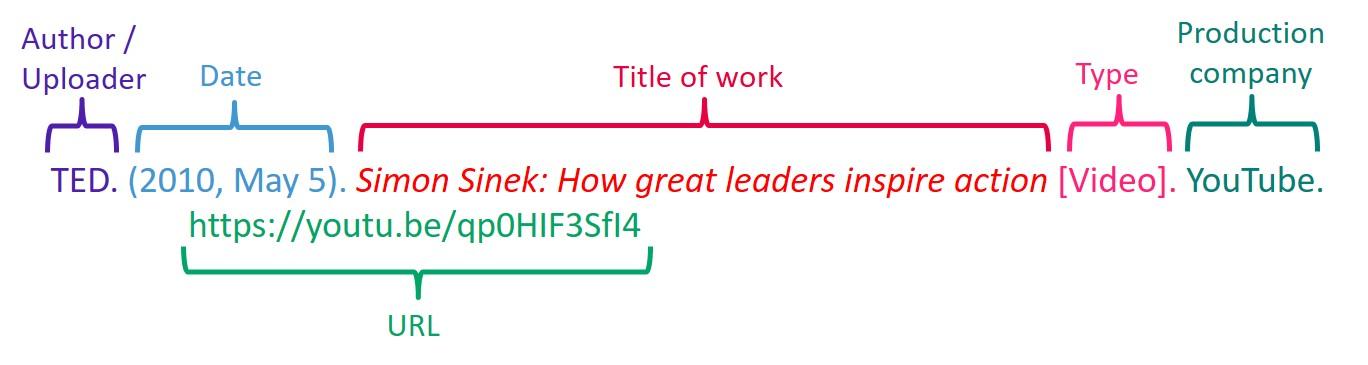
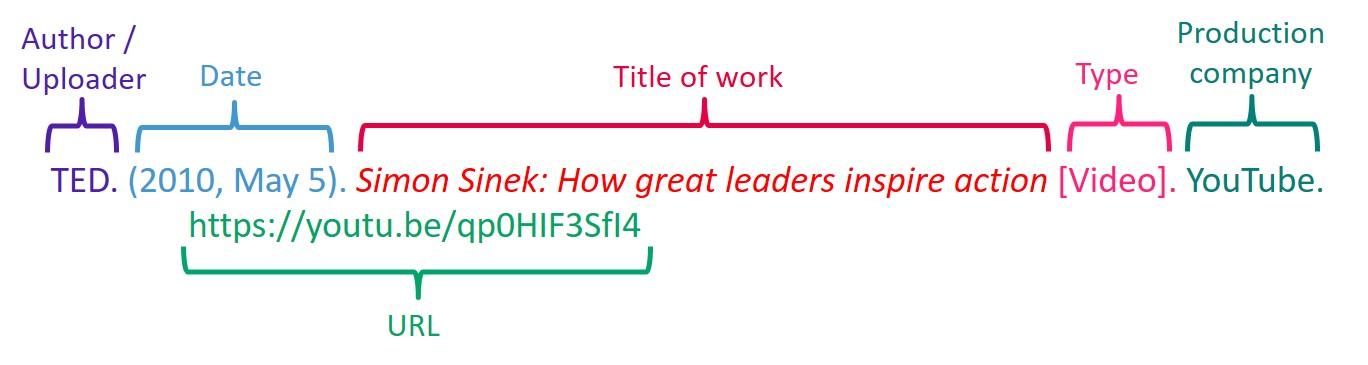
APA Author.⁣ (Year,Month Day). Video Title [Video].YouTube.​ URL
MLA “Video Title.”‍ YouTube, ⁣uploaded by​ Channel, Day‍ Month Year, URL.

Different platforms and institutions⁤ may​ require specific formatting ⁤styles, so always check guidelines before finalizing your​ citations. As an example,APA and ⁤MLA have⁣ distinct rules for citing ​online ⁣videos,notably regarding‍ punctuation and order of‍ details.Pro Tip: ‌ Use‍ citation‌ generators or browser extensions to automate⁣ the process—just‍ double-check the ‌output ​for accuracy. ⁢consistency is key, ⁣whether ⁣you’re citing for academic ​integrity ⁢or enhancing ‍the professionalism of‌ your content.

Choosing the ⁤right Citation‌ Style for ⁤YouTube⁢ Content

Choosing‍ the Right Citation Style ‍for ⁤YouTube Content

When citing YouTube videos, the right ‌citation style⁣ depends on‌ your audience⁢ and purpose. Academic papers frequently​ enough require APA, MLA,⁣ or Chicago, ⁣while ⁤bloggers and content creators may opt for⁢ simpler formats. Here’s a quick‌ guide to help you decide:

  • APA – Ideal for social sciences;‍ includes ⁤uploader, date, title, and URL.
  • MLA – Common ‍in ‍humanities; focuses on creator, video title, platform, and upload⁤ date.
  • Chicago –‍ Used​ in publishing;⁣ offers flexibility with ⁢footnotes ⁤or bibliography entries.
Style Key ‌Elements
APA Author, ‌Year, ‌Title, ⁢Site
MLA Creator, “Title,” Platform, Date
Chicago Author,‌ Title, Format, URL

For informal or digital content, ‍a ‍hyperlinked title⁣ with the creator’s name ⁣frequently enough⁢ suffices. Tools like ⁢ citation generators ‌ can automate the process,but⁤ always double-check for accuracy. Whether you’re⁣ writing ​a research paper or enhancing⁣ a​ blog post, consistency ⁢is key—pick one style and stick ​with it throughout your work.

Step-by-Step Guide to Crafting Accurate ‍YouTube Video References

Creating‌ accurate references for YouTube videos is essential for maintaining credibility in academic,⁣ professional, and creative‌ works.‌ Start ‍by identifying the key ⁤elements of the video​ you need​ to cite. These include the​ video’s title, uploader’s name,​ publication date, and the URL. If you’re using a specific‍ citation style like APA or MLA,‌ ensure you follow ⁤their formatting⁣ guidelines closely. For instance, APA requires the video’s‍ uploader’s name and year in parentheses, while MLA​ emphasizes the video’s title and platform.

Element APA‌ Style MLA Style
Uploader Last Name, First Initial First Name Last name
Title Italicized In Quotation Marks
Date (Year,⁤ Month Day) Day‍ Month Year

To simplify the process, use online citation generators or tools⁤ like Zotero or EasyBib that automate the formatting.Always double-check the generated citation⁢ for ‌accuracy, paying attention to punctuation​ and capitalization.for videos‍ with unclear upload dates or multiple​ contributors, opt for providing ⁣as ⁣much detail as ⁤possible to aid your audience’s ⁤understanding. By mastering these‍ steps, ⁢you’ll ensure your⁢ references ⁢are precise, professional,⁢ and ‍consistent ⁣across all your projects.

Common ‌Mistakes to Avoid When citing YouTube Videos

Citing ‍YouTube videos can​ be tricky, ⁤and‌ manny ‍people unknowingly ‌make errors that‌ undermine ⁣their credibility. One ‌frequent​ mistake is failing to include essential details like the uploader’s name,‍ video title, publication date,‍ and ‍URL. Without these ‍key elements,​ your citation ​becomes incomplete ⁣and‍ arduous to verify. Another common blunder is misformatting the citation ​style—whether it’s APA, MLA,​ or ​Chicago,⁢ each style has specific guidelines ‍that must‌ be followed meticulously. Additionally, relying solely on the video description for information can lead to inaccuracies; ‌always double-check ⁢details directly from the video itself⁣ or ​the uploader’s channel for ‌authenticity.

Mistake Why It’s Problematic
Omitting‌ the URL Makes it hard for readers to⁣ locate ‍the source. Incorrect date ⁣formatting Leads ​to confusion about the video’s recency or relevance. Overlooking the uploader’s name Fails to credit the creator properly, risking​ plagiarism.

Another ⁣pitfall is ignoring timestamps when​ referencing specific parts of a video.⁤ Timestamps are crucial ‍for ​directing readers to the exact‌ moment being cited,​ yet they are‍ frequently enough overlooked. Similarly,⁣ using outdated citation ‌guidelines can lead to ​errors, as citation styles evolve over time. As a notable example, ⁢APA 7th edition⁣ introduced ⁣changes⁣ in how ⁤urls should ‍be formatted, and failing to adhere to these⁢ updates can result in‌ non-compliant citations.Lastly, avoid⁤ citing unofficial⁣ or reuploaded videos unless ⁣absolutely necessary, as they may⁤ lack proper attribution and⁣ could be removed, rendering your⁣ citation useless.

Enhancing‌ Your ⁢Citations with Additional Context​ and Credibility

In the ⁢digital age, citing YouTube videos has become essential⁤ for research, academic work, ‍and ⁢content creation. However, simply including the video ‌title and ⁢URL‌ isn’t ‍enough to make ⁤your ‍citation stand out.Adding context and credibility ​ to your references can elevate the quality ​of your work. For instance, mentioning the creator’s expertise, the publication date,⁤ and the video’s relevance to your topic helps ​readers understand the‍ source’s value.This⁣ approach not only strengthens ‍your argument ⁢but also demonstrates your⁣ attention​ to ⁤detail.

To⁢ enhance your​ citations further,consider the following tips:

  • Attribute the creator: Include the name of the channel or creator to acknowledge‍ their work.
  • Highlight key points: ⁢Briefly summarize why the ‍video‌ supports your argument or ⁢adds value to your content.
  • Verify credibility: ⁢Check the ‍creator’s credentials or the ​channel’s reputation to ensure the source is reliable.
Element Why‍ It Matters
Creator’s⁢ Name Gives credit and establishes authority.
Publication Date Ensures the information is ⁢current and relevant.
Contextual Summary Helps readers understand the source’s‍ relevance.

Concluding Remarks

And ⁢there you have it—your guide to citing YouTube ⁢videos‌ correctly⁣ and easily, demystified! ‍Whether‍ you’re⁣ crafting an academic ‌paper, ⁤a blog post, or even⁤ a formal presentation, these tips ensure⁤ your citations are as polished ‍as your content. remember, citing sources isn’t just ‌about following rules; ​it’s about honoring creativity and giving ⁣credit where it’s due. So, the next time ​you dive‌ into ‍YouTube’s treasure trove⁤ of​ information and inspiration,‌ cite with confidence⁤ and clarity. happy referencing—your impeccable​ credibility is just‌ a click away!

“Mastering YouTube’s Parental Controls: A Quick Guide” (48 characters)

“Mastering YouTube’s Parental Controls: A⁢ Rapid Guide”

In today’s digital⁢ age, keeping kids safe online is a top ⁢priority for⁣ parents. ⁢YouTube,⁤ with its endless stream of content, can be both ‌a learning tool and ‍a​ potential minefield. But⁤ fear not—mastering YouTube’s⁤ parental controls is easier than​ you think! This quick guide ⁢will walk you⁢ through simple steps to create a⁤ safer viewing experience, ⁣giving you⁢ peace of mind while letting your little ones explore responsibly. ​Let’s dive in!

Understanding YouTube Parental Controls and‌ Why ‍They Matter

YouTube has become a⁤ vast digital playground for kids,​ but not all content is suitable for⁢ young audiences. Parental controls on YouTube are essential ⁢tools to⁢ ensure a‍ safer viewing experience. By utilizing⁢ features like‍ Restricted ​Mode and Supervised Accounts,​ parents can filter out inappropriate content and limit exposure to harmful material. These controls⁤ also allow you to customize viewing time, ensuring kids don’t spend endless hours glued to the screen.

Here’s a quick breakdown ⁤of key parental⁢ control features:

  • Restricted Mode: filters out mature content and comments.
  • Supervised Accounts: Tailors content based on ⁣age ‍groups ‌(Explore, Explore More, ​or Most of YouTube).
  • Timer: Sets limits on daily⁤ or weekly screen​ time.
Feature Purpose
Restricted Mode Blocks unsuitable content and comments
Supervised Accounts Adjusts content based on age and maturity level
Timer Controls viewing⁣ duration

Setting Up Restricted Mode for Safer Browsing

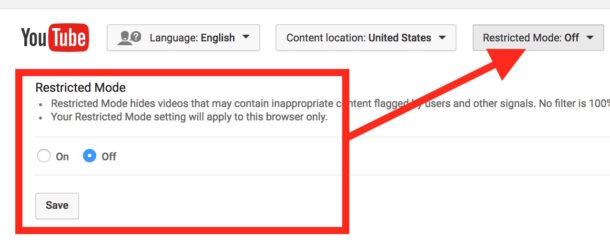
One of the most effective tools for ensuring a safer browsing experience on YouTube is Restricted Mode. This feature‍ filters out​ perhaps inappropriate content,⁣ making it ideal ‍for younger viewers or those ‍who prefer a more ‍controlled environment. To⁢ activate it, simply scroll‍ to the bottom of any YouTube page, click on the Restricted Mode toggle, and lock it with⁣ your Google⁤ account password. This ensures the setting remains consistent across⁤ all devices.

Here’s a quick breakdown of how Restricted Mode works:

  • Filters Content: Blocks videos ⁢flagged ⁢as inappropriate by YouTube’s algorithms and community guidelines.
  • Customizable⁢ Access: Can be⁣ enabled or⁣ disabled by​ account holders, with an‍ option to lock it for⁣ added security.
  • Cross-Device sync: once activated, ⁤it applies ​to all devices logged into ⁤the same account.
feature Benefit
Content Filtering Ensures only family-friendly videos are shown.
Password Protection Prevents unauthorized changes to the setting.

Creating‌ and managing Supervised Accounts for⁤ Kids

Creating and Managing Supervised Accounts for Kids

Supervised accounts on youtube offer parents ⁤a balanced approach to managing their child’s viewing experience without‍ wholly restricting access. By setting up a supervised⁢ account, you can customize content filters, limit screen time, and even block specific videos or channels. This feature​ is perfect for older⁢ kids who are ready to explore YouTube but still need guidance. Here’s how ⁤to get started:

  • Sign in to YouTube with your parent ⁣account and navigate to settings.
  • Choose “Parental Controls” and select the level of supervision (Explore, Explore More, or Most of YouTube).
  • Link your child’s Google Account to apply the restrictions.
Supervision ⁢Level Content Access
Explore General content suitable for ages 9+
Explore More Broader range, including ​some music videos

Once the account‌ is set up, regularly ⁤review your ‍child’s watch history and adjust ‍settings as needed. YouTube also allows parents to pause supervision temporarily, giving kids limited ⁣independence while​ keeping ⁣safety in mind. With⁤ these tools, you can foster ⁤a healthier digital environment tailored to ​your family’s needs.

Tailoring Content Filters to match Family Values

Tailoring​ Content Filters to Match Family Values

Every family has ⁤its​ unique set of values, and YouTube’s parental controls allow you⁢ to align content filters with what matters most to your household.⁢ Restricted Mode is the first line of defense, helping to screen out potentially inappropriate content. ​However,for⁤ a more tailored approach,consider creating a Supervised Account for your child. This feature lets you handpick the ‍types of videos, ⁣channels, and topics they can access, ensuring the content aligns with your family’s ‌principles.

Here’s a quick breakdown of‍ options to customize content filters effectively:

  • Restricted Mode: Filters out mature⁢ content across YouTube.
  • Supervised account ‌Levels: Choose ⁢from Explore, Explore More, or most of YouTube based on your child’s⁣ age and maturity.
  • Approved Channels & Playlists: Curate specific⁤ channels‍ or videos that ⁤match your values.
Feature Best Use Case
Restricted Mode General⁣ filtering for all users
Supervised Account Personalized content ‌based on age and values
Approved Content Full control over specific ‌videos/channels

Monitoring ⁣Watch History and Engagement Safely

Keeping an eye on ⁤your child’s YouTube activity has never been easier with built-in parental controls that ​allow ‌you to monitor watch history and engagement effectively. Start by accessing the “Settings” menu in the YouTube app or website, where you can explore ⁣options like “Restricted Mode” to filter​ inappropriate content. Additionally, consider linking your child’s account to family Link ⁤ or YouTube Kids for a more tailored experience. These tools ⁣provide insights into what they’re watching, how⁣ long they’re spending on the platform, ⁢and even allow⁣ you to set‍ time ‌limits.

For a⁢ more detailed breakdown of their activity, review their watch history regularly. This can be done through their account settings, giving you a clear picture of the content they’re consuming. Here’s a quick guide ⁣to the key features you can‌ utilize:

Feature Purpose
Restricted ⁣Mode Filters out mature or sensitive​ content
Watch History Tracks videos ⁢watched for easy ‍monitoring
Screen Time ⁤Management Sets daily viewing limits

By ⁣leveraging these ​tools, you can ensure a safer and more ‍controlled viewing experience for⁤ your child, giving you‌ peace of mind while they explore the platform.

Essential Tips for Maintaining ⁣Ongoing Parental Control Effectiveness

To ensure⁣ lasting effectiveness with parental controls on YouTube, it’s‌ crucial to stay proactive ‍ and adapt to changes. Platforms ​evolve, and so ‌do the methods to bypass restrictions. Regularly ⁤updating your settings and familiarizing⁤ yourself with new features can make all the difference. Here are some practical steps:

  • Monitor Usage patterns: Keep an eye on viewing habits ⁣to identify any gaps⁤ in your controls.
  • Enable Restricted Mode: ⁤ This ‍feature ⁢filters ‌out potentially inappropriate content across the platform.
  • Set Time Limits: Use‍ tools like Google Family Link to manage screen time ⁤effectively.
Action Benefit
Regularly Review Blocked Channels Ensures unwanted content stays inaccessible
Educate Your Child Encourages responsible viewing habits

Additionally, ⁤ collaborate with your child to foster understanding rather than relying solely on restrictions. Open communication about why certain content⁢ is blocked can build ‌trust and ⁣encourage compliance.Pair this with consistent reinforcement of rules, and⁤ you’ll create ​a balanced approach that keeps parental controls effective over time.

In Retrospect

Outro:

And there you have ⁣it—a quick guide to mastering YouTube’s parental controls! With these tools at your fingertips, you can create ​a safer, more tailored viewing experience for your family. Stay in control,explore confidently,and enjoy worry-free browsing. Happy watching! 🚀

Unlocking the Mystery: What’s the Song in This YouTube Link?

Have you ever been captivated by a melody floating through your⁢ headphones, ⁢only to find yourself⁤ frantically searching for its name? Perhaps you‌ stumbled ​upon a ⁢YouTube video, its soundtrack hauntingly⁤ stunning or irresistibly catchy,⁢ but the details remained frustratingly elusive. In the age of ⁢infinite⁤ content, discovering the identity of a song can feel like piecing together a musical detective story. Welcome ⁣to‍ “”—a guide to navigating the labyrinth ⁣of audio identification, where ​technology meets curiosity, and ​every tune has a story ⁤waiting to be uncovered.⁣ whether you’re ⁣a casual ⁤listener ⁢or a dedicated music sleuth, this article will equip you with the⁢ tools ​and​ tricks to ⁢decode those elusive melodies and ‍transform fleeting notes into lasting favorites.

Identifying the ‌Song: Tools ⁢and Techniques to Decode Music Mysteries

Ever ⁢stumbled upon a mesmerizing‌ tune in a YouTube ⁢video but⁢ had no idea what it was⁢ called? Identifying‌ an ​unknown song can feel like solving a musical puzzle, but with the right​ tools ⁤and techniques, it’s⁢ easier than ‌you ‌think. Music‍ recognition⁤ apps ‌like ⁢Shazam and SoundHound are lifesavers—simply⁢ play the audio,and they’ll match it to their vast databases. ‌Alternatively, you can use Google’s⁣ Hum to Search feature, which lets you hum ⁤or‌ whistle‌ the melody for identification.⁣ For those who​ prefer‍ manual sleuthing, examining the video’s description, comments ‌section, or captions frequently enough reveals the song title or artist.

If the song⁣ remains⁣ elusive, ‍ online ⁢communities can be a‌ goldmine for answers. platforms like Reddit’s r/NameThatSong ⁢or specialized forums are ‍filled ​with music enthusiasts ‍who thrive on solving such mysteries. ⁣Additionally, tools like AudioTag or‌ AcoustID analyze audio fingerprints ⁤to pinpoint the track. For a more ‌hands-on ⁣approach, consider extracting the audio from the​ YouTube ​video using online converters and then running it through music identification software. Here’s a swift comparison of popular tools:

Tool Best For
Shazam Instant song⁣ recognition
Google Hum to Search humming ​or whistling
AudioTag Advanced audio analysis
r/NameThatSong Crowdsourced‌ identification

Exploring Shazam and Beyond: Advanced Apps for audio Recognition

Ever stumbled upon a captivating tune in ‍a YouTube video ‍but had no idea ‍what it was? ​You’re not alone. While‍ Shazam has become the go-to app for identifying songs, there’s ⁣a‍ whole world of advanced audio⁤ recognition ⁣tools‍ that can help‌ you uncover the mystery.These apps go beyond simple song detection, ​offering features ‍like offline recognition, lyric searches, and even⁢ background ⁤noise filtering. Here ‌are a few standout options ‍to consider:

  • SoundHound: known for its ability to identify songs even when you hum or sing ⁣them.
  • Musixmatch: Perfect for lyric enthusiasts, it⁢ syncs songs with their ⁤lyrics in ⁣real time.
  • AHA Music: ‌A browser extension that identifies⁢ music playing on any website,⁣ including YouTube.

For those who wont to dive ​deeper, here’s a quick comparison of ​features to help⁢ you choose ⁤the right tool:

App Offline Mode Lyric Sync Browser Integration
Shazam No Yes No
SoundHound Yes Yes No
AHA ‌Music No No Yes

why Sound Quality Matters: Tips for Enhancing Song identification‍ Accuracy

Sound quality plays a​ pivotal role in accurately ⁤identifying a⁤ song. Poor audio can distort melodies, obscure lyrics,​ and make it nearly⁤ impossible for tools⁢ like song recognition ​apps to work effectively.‌ High-quality audio captures⁢ every​ nuance, ensuring that‌ the rhythm, tone, and vocals are clear and ⁤distinguishable. Conversely,muffled or low-bitrate​ audio can‌ lead to misidentifications or failed attempts to find the song you’re seeking. Enhancing sound quality not only ‍improves‍ the accuracy of ‍identification but also elevates ‍your ‌overall listening experience.

Here are some ​ practical tips ⁢ to​ optimize sound quality for better song⁢ identification:

  • Use high-quality headphones or speakers to ⁣ensure clarity and⁤ reduce background noise.
  • Record in a quiet environment ​ to minimize interference from external sounds.
  • Adjust volume levels to‍ avoid distortion or overly soft audio.
Sound‍ Quality Factor Impact on Identification
Clarity Helps distinguish lyrics and instruments.
Volume Optimal ⁤levels ⁢prevent distortion or inaudibility.
Background Noise Minimizing it ensures focus on the song.

Community Power: Leveraging online Forums ‍and⁣ Social Media for Song Finding

Community Power: Leveraging Online⁤ Forums and Social Media ​for Song Discovery

In ⁣the digital age, finding the name ⁣of a song from a YouTube link has ‍become a shared quest for many music lovers. Online forums and social media platforms have‍ emerged as powerful tools for solving this mystery. Communities ⁤like Reddit’s r/NameThatSong or Facebook groups dedicated to music discovery are treasure ⁤troves ⁣of ⁤collective knowledge. Users can ⁤simply drop​ the link,and within minutes,fellow enthusiasts often come to the rescue with accurate ids. These platforms thrive on collaboration, turning what could be a‍ frustrating search⁢ into a communal ⁣experience.

beyond forums, leveraging‍ hashtags on platforms‌ like Twitter​ or‍ Instagram can also yield ⁣quick results. Users‌ often post snippets of songs with captions ⁤like #WhatSongIsThis or ‌ #HelpMeFindThisTrack,tapping into the wisdom of the ⁣crowd. Additionally, websites⁣ like‍ WatZatSong⁢ act as dedicated hubs for such queries. below ‍is a quick comparison of popular platforms for‍ song identification:

Platform Strengths Best For
Reddit Active communities, diverse knowledge Complex or obscure tracks
Twitter Quick responses, viral reach Current or trending songs
WatZatSong specialized in song identification Older‌ or less popular music

Key⁢ Takeaways

In the ever-expanding‍ digital ⁤universe, where melodies drift through the ether and tunes ​become the soundtrack of our ‍daily lives, the quest to identify⁢ a song ⁤from a fleeting YouTube link can⁤ feel like chasing a musical ghost. But as we’ve uncovered,the tools and techniques ⁢available today ‌make this once-elusive mystery more solvable than ‌ever. Whether‌ it’s a nostalgic tune from the past or a ⁢fresh beat you can’t quite place, the ⁤answers are often​ just⁣ a click away.‌ So ⁤the ⁣next​ time a⁢ song​ teases your curiosity, ‍remember: the ‍mystery ‍isn’t‍ unsolvable—it’s simply waiting for you ⁢to unlock it. Happy ⁣hunting! ‌🎶

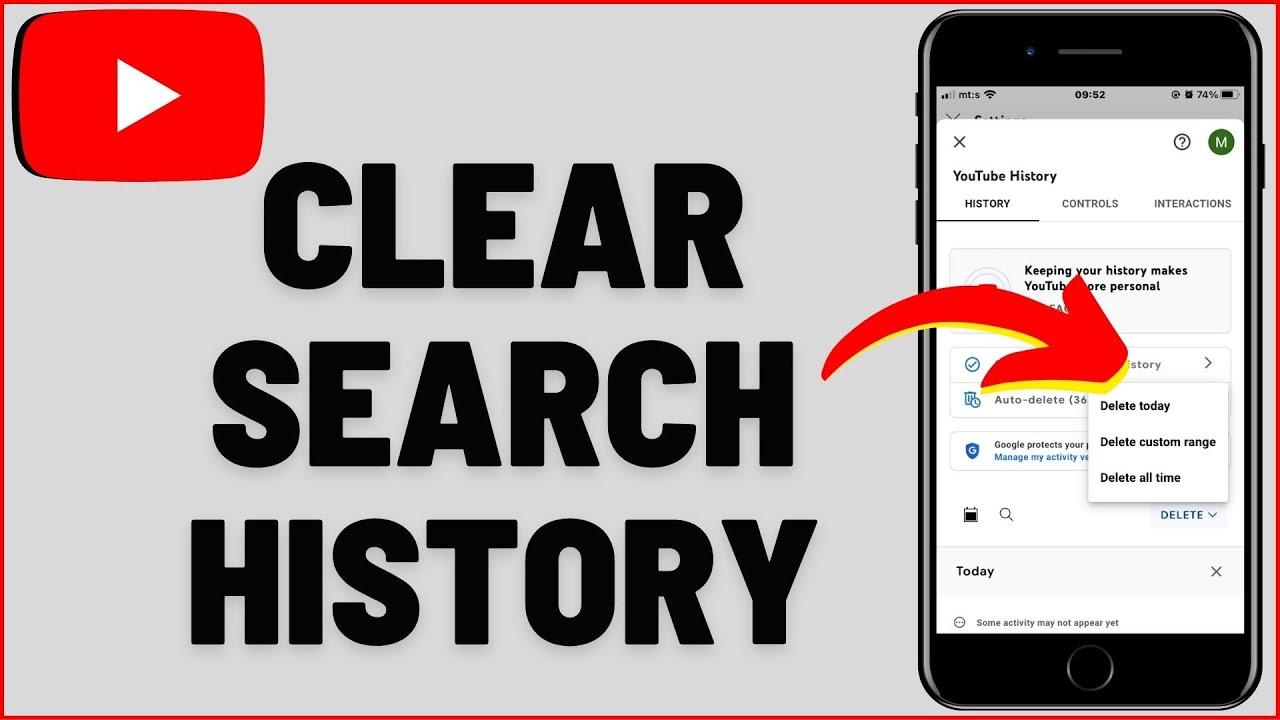
Clearing Your Tracks: How to Delete YouTube Search History

In ⁤the‍ endless‍ scroll of‌ YouTube’s​ digital universe, ⁣every search leaves ‍a footprint—a breadcrumb trail ⁣of your curiosity, interests, ​and ‍late-night ‌rabbit holes. Weather you’re looking to declutter⁣ your recommendations, ‌safeguard your privacy, or simply start fresh, knowing how ⁤to clear​ your​ YouTube search history⁣ is a small but‍ powerful‌ act of digital housekeeping.⁣ This guide will walk⁤ you ‌through the‌ steps to erase those traces, reset‍ your experience, and ​reclaim control over ⁤your​ virtual⁢ journey. Let’s‌ dive into ‍the art⁢ of ‍wiping the⁤ slate clean,one ​search at a time.
Understanding Your YouTube ⁢Search⁢ History and Why ‌It Matters

Understanding Your YouTube⁤ Search History and‍ Why It Matters

Your YouTube⁢ search history is ‍more ‍than just ⁤a log of past queries—it shapes⁤ the ⁣platformS ⁣recommendations, influencing ⁤the content you​ see daily. ‌From⁤ tailored ⁢video‍ suggestions to personalized‌ ads, ⁣this data plays a crucial role⁣ in curating your ​viewing experience.⁢ However, there‍ are times when you might want to ‍ reset or ‌erase this history—whether for⁢ privacy reasons, to​ declutter recommendations, or simply to⁣ start ‌fresh.‍ Understanding how your searches impact your feed empowers you to take ‍control of‌ your⁢ digital ⁢footprint.

Deleting your search ⁤history is a straightforward process, ⁢but it’s essential ‌to know⁣ the implications. Here’s what happens when you clear‍ it:

  • Recommendations ⁣reset: YouTube​ will stop suggesting videos based ⁤on ⁤your ⁤past searches.
  • Improved‌ privacy: ⁢ Your search activity ‌won’t be accessible to ⁢anyone with access to your account.
  • Streamlined ‍experience: Remove irrelevant or ⁢outdated‌ queries ⁣to refine your future searches.
Action Outcome
Delete specific searches Remove⁢ individual entries without affecting others
Clear all‌ history Reset recommendations ‍and erase all search data
Pause ​search history Stop YouTube from saving future searches

Step-by-Step Guide to ​Deleting Your YouTube Search History

Step-by-Step Guide ‍to Deleting Your YouTube Search ⁢History

Keeping‍ your YouTube search ‌history clean is ⁣essential for maintaining privacy and ensuring your recommendations stay relevant. Follow these steps to clear your search ​history⁢ effortlessly:

  • Open⁤ youtube: Head to the YouTube website or​ app and log in to your account.
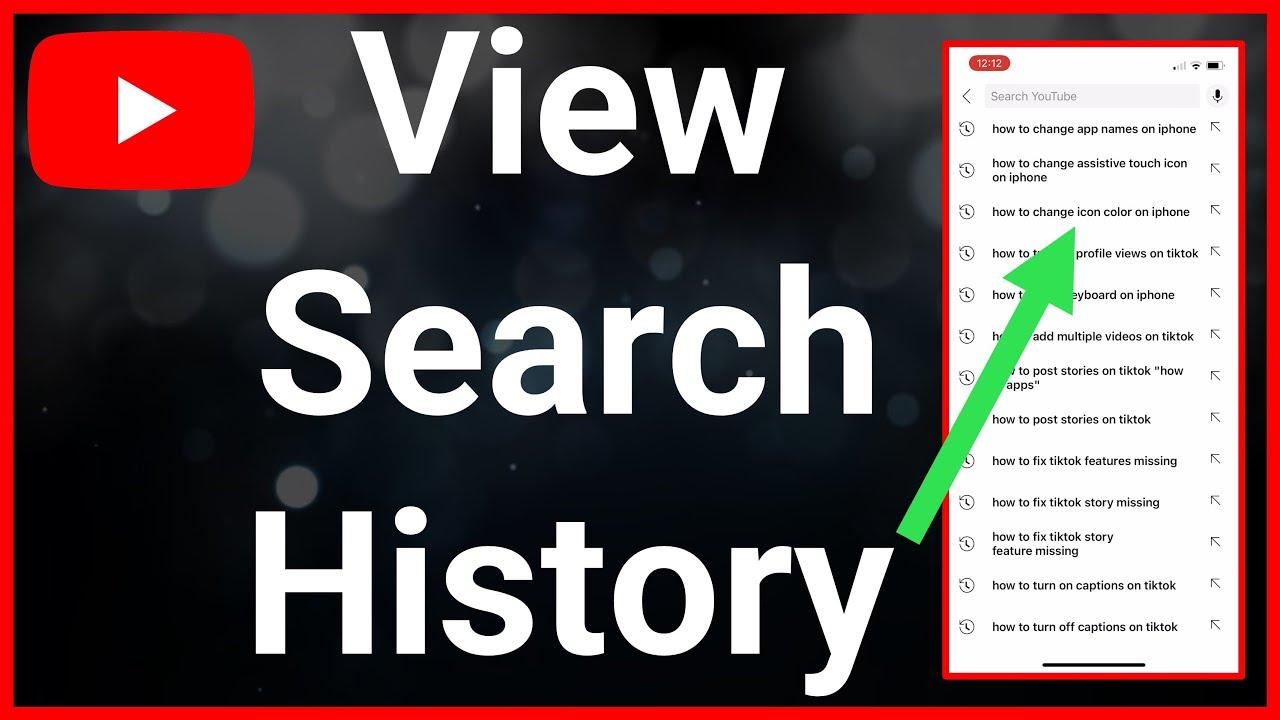
  • Access History: Click ⁣on your profile icon and⁢ select “History” from​ the dropdown menu.
  • Clear Searches: Navigate to the ⁣ “Search history” ⁣tab and click on the “Clear all search history” ⁣button.
  • Confirm: A ​pop-up will appear; confirm your action to delete your search history permanently.

If ⁤you prefer more‍ control ​over your ⁣data, you can pause or manage your search⁣ history settings. Here’s how:

Pause⁤ Search history: Go to YouTube‌ settings, select “History‌ & privacy,” and toggle “Pause ‌search history” on.
Delete​ Specific Searches: In the‌ search history tab, click the “X” next‌ to individual​ entries to remove them.

Managing Privacy:⁤ Additional Tips to⁤ Keep⁢ Your Viewing Habits Secure

Maintaining your ‍privacy online requires more ‌than just deleting‍ your YouTube ​search history. To ensure your viewing habits remain secure, consider ⁢implementing ⁢these additional strategies:

  • Use Incognito​ Mode: Browse YouTube without ⁢saving any search or⁤ watch ‌history⁤ by using ‍an incognito or private browsing ⁤window.
  • Customize Privacy ​Settings: Adjust your youtube account settings to pause search and watch​ history, ensuring ⁣no new data is stored.
  • Employ VPNs: Mask your IP address ‍and ⁤encrypt your internet‍ connection for added anonymity while streaming.
Tool Purpose
Ad Blockers Prevent targeted ads based on your YouTube activity.
Password Managers Secure your account with ⁤strong,⁢ unique passwords.
Browser Extensions Enhance privacy by ‍blocking trackers and ‌cookies.

Beyond tools and settings, staying vigilant about your​ online habits can ‌make a importent difference. Regularly audit ⁢your linked accounts, clear ⁤cookies, and consider logging out of‍ YouTube when ‍not ⁢in ‌use. These small but effective ⁤steps can help⁢ you maintain ⁢control over your digital ⁣footprint.

Beyond Deletion: Customizing ​YouTube‌ for⁣ a Cleaner Browsing Experience

deleting your YouTube search history is a‍ great first step toward​ a cleaner browsing‌ experience,but ⁤there’s more ⁣you‍ can do to⁤ tailor the ​platform to your preferences. ⁢ Customizing ⁤your settings ensures ⁣that your recommendations and search results align with ⁣your ‌current‍ interests, while ‍reducing⁣ clutter from outdated or irrelevant content.Here are a few ways to refine⁢ your YouTube experience:

  • Pause ‍Search History: Temporarily ‍stop‍ YouTube from saving your searches ‌to avoid unwanted ​recommendations.
  • Clear Watch History: Remove past videos ⁤you’ve watched to ⁤reset ⁣your​ recommendations.
  • Manage Recommendations: ​Use‌ the⁣ “Not Interested” or “Don’t Recommend Channel” options to fine-tune your feed.
Action Impact
Delete Search History Removes past searches ⁤and resets ‍related⁢ suggestions
Pause Search ‍History Prevents new searches⁤ from​ being‍ stored
Clear Watch ‌History Resets video recommendations based on past views

Beyond these steps, consider exploring YouTube’s⁣ Incognito Mode for⁤ browsing without‌ affecting your⁤ history or recommendations. ⁤Additionally, reviewing and⁤ adjusting your Google Account’s Ad Settings ⁢can further refine ⁢the ads you see on YouTube. By combining ​these ‌strategies, you ‍can⁤ create ⁤a more streamlined and​ personalized viewing experience⁣ that reflects your current preferences⁤ and‌ interests.

Wrapping ⁤Up

Outro:

And ⁢there you have it—your ‍guide to ‌clearing the digital breadcrumbs ⁤of‍ your YouTube journey. Whether you’re tidying ​up for privacy, starting fresh,⁢ or just keeping ⁣things neat, managing your search history is a ⁣small ⁢but powerful step ⁢in taking control of your online presence. Remember, the internet is‌ like a⁣ vast, ‌ever-changing library, and your search history is just one ⁣of the‌ many‍ chapters you can rewrite or erase. So, go ahead, hit that⁤ delete ⁤button, and let your ⁤next ⁣YouTube‌ adventure begin with a⁢ clean slate. After⁣ all, the best searches are always the ones yet to⁣ come.​ Happy watching!

Unlocking YouTube: How to Easily Get Any Video Transcript

Ever wished you could grab‌ the exact words‌ from a YouTube video without⁤ replaying ⁤it a dozen ⁤times? ⁣Whether⁤ you’re​ a student⁤ taking notes, a content creator ⁤researching ideas, or just someone who prefers reading over​ rewinding, video transcripts can be⁢ a game-changer. the ⁣good news? YouTube ‌holds the key—you just ⁤need to know where⁢ to look.

In this guide, we’ll walk ‌you through ⁤simple,⁣ foolproof ways to extract ‌transcripts ⁢from ‌any YouTube video—no tech​ wizardry​ required. Say goodbye to frantic rewinds adn hello⁤ to effortless note-taking. ‍Ready to unlock the ‍hidden text⁤ behind your favorite‌ videos?⁣ Let’s dive⁤ in.

Unveiling ​the⁢ Secrets ⁢of YouTube⁢ Transcripts

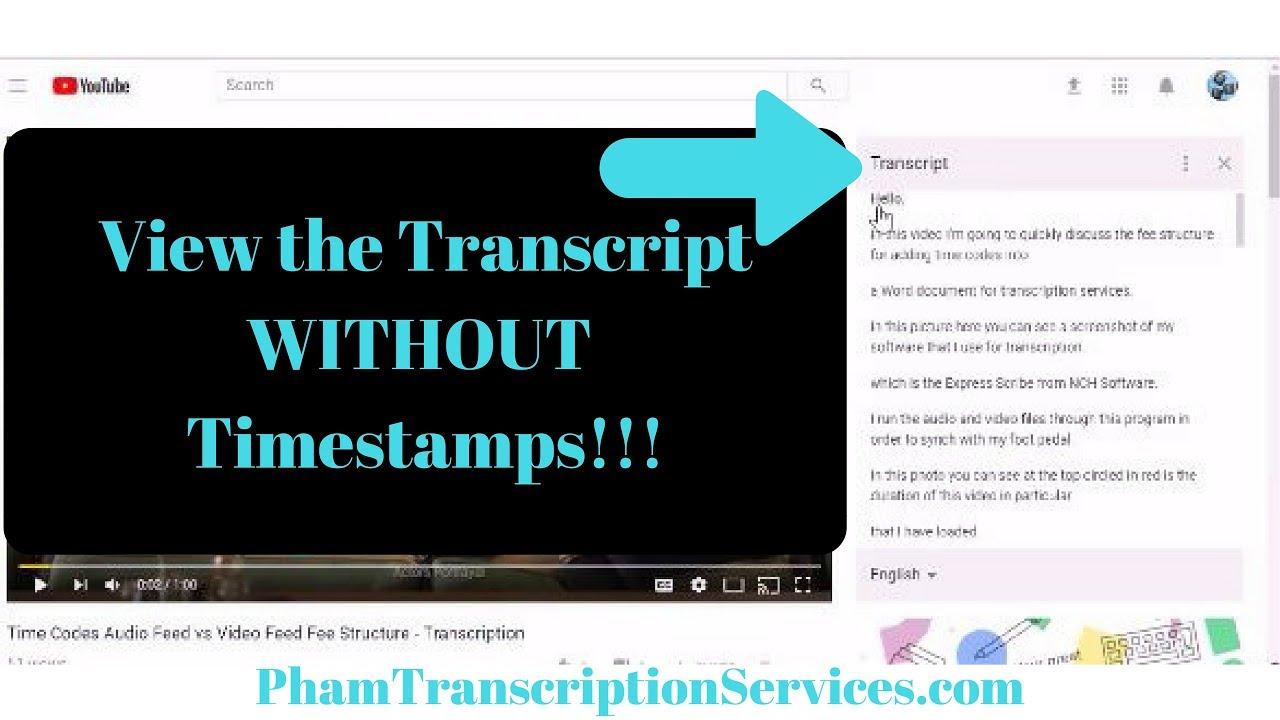
Have you ever wanted to ⁣extract the exact⁣ words from‍ a YouTube video but‌ didn’t know ‍where ‌to ​start? YouTube ⁤transcripts are a ⁢treasure trove ⁤of information, ‌offering ⁤a writen ⁣version of everything spoken in a video. Whether you’re​ a content creator, ​researcher,‌ or language learner, accessing these ​transcripts can save‍ you ​time ⁢and effort. ⁣Surprisingly, YouTube automatically generates captions for most videos, even if they’re not‍ manually added by ​the uploader. These transcripts can be​ easily⁤ retrieved with just a few clicks or ‌by using⁤ simple tools. Here’s why they’re invaluable:

  • Accurate references: Perfect for quoting or ⁣citing video content in your work.
  • Improved accessibility: ⁤ Makes videos more⁣ inclusive for​ those with hearing impairments.
  • Enhanced learning: ‌Helps ⁣non-native⁣ speakers understand the content⁣ better.

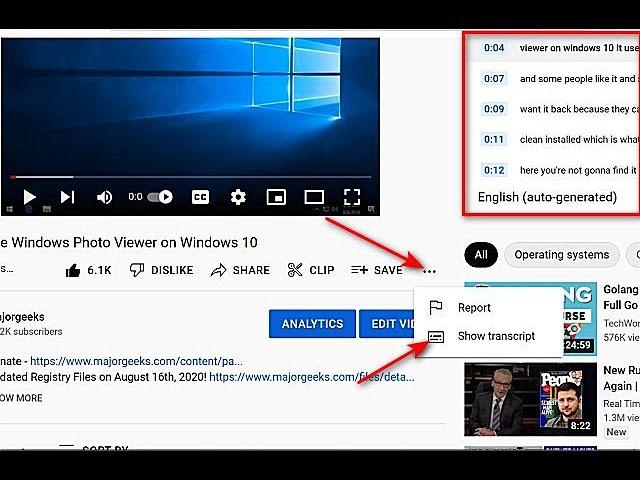
If ⁢you’re ‌wondering how to access⁢ these transcripts, the process is​ straightforward. On the​ YouTube video page, click the three dots below the video and select “Show transcript”. For more advanced needs,‌ tools like third-party websites or ⁣browser extensions can automate the process and provide⁢ downloadable ⁤versions. ‍Here’s⁤ a swift ⁢comparison of popular methods:

Method Ease of Use Export⁢ Options
YouTube’s built-in transcript Simple Copy-paste only
Third-party tools Moderate Download as ​TXT⁤ or‍ SRT
Browser extensions Easy Direct download

Exploring Simple Tools ⁣for Instant‌ Video Transcriptions

Turning YouTube‍ videos​ into text doesn’t have⁤ to ​be intricate.⁣ With a ⁣few effortless tools, you‌ can​ extract⁤ transcripts in seconds.Whether⁤ you’re a content⁤ creator, student, or researcher, these methods save time and enhance​ productivity. Here’s how:

  • YouTube’s built-in transcript‍ feature: Simply ⁢open the ‌video, click the​ three dots below the⁢ player, and select “Show ‌transcript.”
  • Third-party tools: ⁣ Platforms like⁢ Otter.ai⁤ or Descript‍ offer seamless‍ transcription with ⁤additional editing capabilities.
  • Google ‍Docs ⁣voice Typing: Play the video ‍and use Google Docs’ voice ⁢typing feature to transcribe‍ it⁤ live.

For those who prefer⁤ structured workflows,⁤ here’s​ a quick comparison‌ of popular tools:

Tool Ease‌ of​ Use Accuracy
YouTube ⁢transcript High Good
Otter.ai medium Excellent
Google Docs Low Moderate

Exploring‌ these options allows you to unlock YouTube’s potential, ⁢transforming spoken content into​ written material with ​minimal‌ effort. ​Choose the tool that best ​fits ⁢your​ needs and start⁤ transcribing today!

Maximizing Efficiency with Automated Transcript Extraction

Maximizing ‍Efficiency with‍ Automated​ Transcript Extraction

Harnessing the power ⁢of automated transcript ‌extraction can transform how you engage with ⁣YouTube content. Whether you’re a content creator, ⁢researcher, ⁤or casual viewer, having easy access to video⁢ transcripts unlocks⁣ a ‍wealth​ of⁤ possibilities. With ​tools that streamline the ⁢process,‍ you no longer need to manually transcribe ‍or rely on inconsistent captions.⁢ Rather, you ⁣can effortlessly extract⁣ text for:

  • Content Repurposing: convert⁢ video scripts into blogs,⁤ social media posts, or eBooks.
  • SEO Optimization: Use transcripts to enhance⁣ search ‌engine visibility ⁣and accessibility.
  • language⁣ Translation: Translate⁤ transcripts ⁤to reach a‍ global audience.
Benefit Use Case
Time Savings extract transcripts in seconds instead ​of hours.
Accuracy Ensure correct⁤ text portrayal without ​errors.
Flexibility Export transcripts in multiple⁢ formats (TXT,‍ SRT, DOCX).

By integrating these methods into your workflow, you can focus on⁣ creativity ⁢rather⁢ than manual tasks. Automated ​transcript extraction⁤ not only boosts⁢ productivity⁤ but also ​opens doors⁢ to​ innovative ways ‍of utilizing video ‌content. embrace this technology to make your ‍YouTube experience more efficient and​ impactful.

Enhancing Accessibility and Learning with Accurate Captions

Accurate​ captions are more ‌than just ‍a convenience—they are‍ a gateway to inclusivity and deeper understanding. By leveraging YouTube’s transcript ​feature, users can transform video content into accessible text, making it‍ easier for individuals with hearing impairments to engage. Additionally, transcripts ⁢serve as a powerful tool for learners, ​allowing‌ them⁣ to review, highlight, and study key points​ at their own pace. Whether ​you’re⁢ a⁢ student, educator,⁢ or⁢ casual viewer,⁢ this‌ capability ensures no detail‌ is ⁤missed and promotes a more ‌inclusive ⁢digital⁤ experience.

Here’s how you⁣ can unlock this ⁢feature ‍seamlessly:

  • Navigate to ⁢the video: Open the YouTube ⁣video you ⁢want to‌ transcribe.
  • Access the ‌transcript: Click on the three⁣ dots below the ⁢video ‌and select “Show transcript.”
  • copy and save: ⁣Highlight the text, ⁣copy it, and ⁢paste it into your preferred document or‌ note-taking ​app.
Step Action
1 Open the desired YouTube video.
2 Click⁣ on ​the three dots ⁣below the video.
3 Select “Show transcript” and copy‍ the ⁣text.

This ⁤simple process ​not only enhances accessibility but also empowers ⁢users ⁣to create study aids, reference materials, or even repurpose content for blogs ​and‌ presentations.By​ making ⁤video content ⁤more‍ adaptable,‌ YouTube transcripts ⁢bridge​ the⁣ gap ⁤between passive viewing and ⁤active learning.

wrapping up

Outro:

⁣ ‍

And there you have it—unlocking YouTube’s hidden transcripts is easier than you think! Whether⁢ you’re⁤ researching, studying, or ⁣just ⁣want to‍ revisit key⁢ moments without replaying ⁢the entire video,‍ these simple methods ‌put‍ the ⁣power of text at your fingertips.

now, go ahead—grab⁣ those ⁣transcripts, ⁤save time, and make ⁣YouTube work even smarter for ⁣you. Happy transcribing! 🚀‍

(Want more tech tips? ‍Stay tuned for our next guide!)

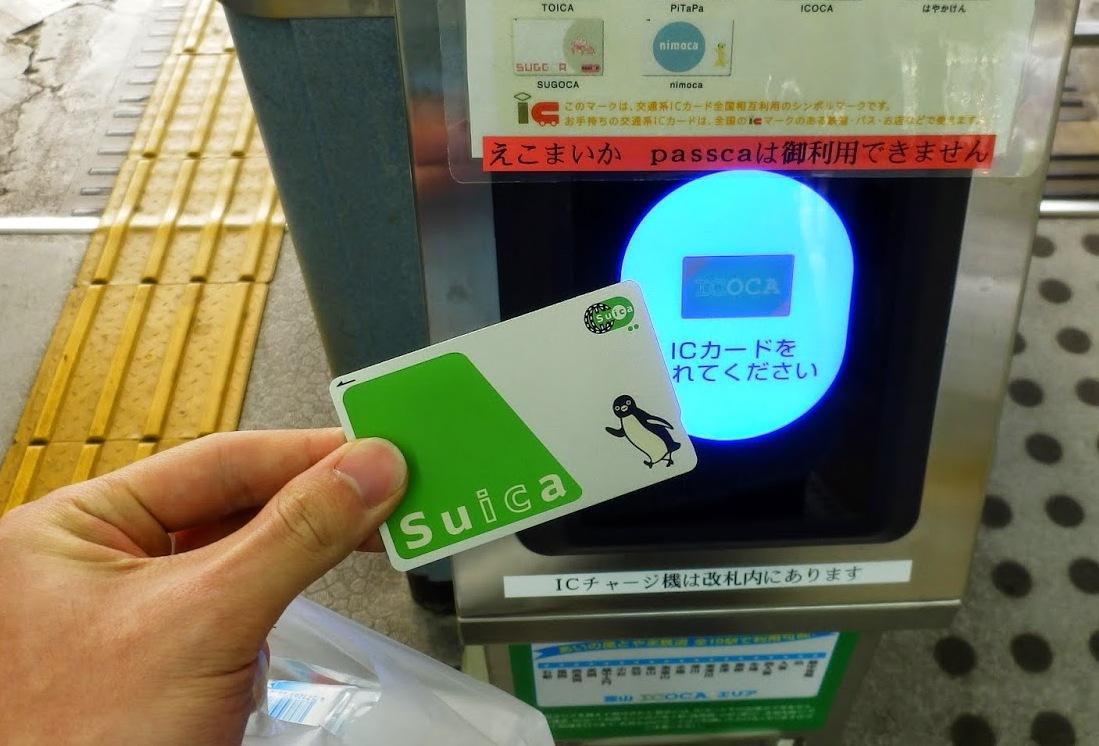
Mastering Suica Card on iPhone: A YouTube Guide

In ‍the bustling ​world‌ of modern technology, convenience is​ king, and‍ few innovations embody this better than the seamless⁢ integration of Suica cards ⁢into ⁢iPhones.For both seasoned‌ travelers navigating ‍Tokyo’s⁢ labyrinthine subway system‍ and‌ newcomers eager to‍ simplify their⁢ daily commutes, mastering the ⁤Suica card on an iPhone can feel like unlocking a secret level of urban efficiency. But how does one go‍ from clunky⁣ paper tickets to this sleek, digital marvel? Enter the world‍ of ⁤youtube ‌guides, where creators unravel the mysteries of this tech-savvy tool ​in easy-to-follow tutorials. ‍Whether you’re a⁣ tech enthusiast or a casual user, this article dives into how YouTube can be your ultimate ⁢companion in mastering the Suica card on ⁣your iPhone, transforming your travel experience one‌ tap at a ⁢time.
Setting Up Your Suica Card on​ iPhone for seamless Travel

Setting Up ⁢Your ⁣Suica ⁤Card on iPhone‍ for seamless Travel

Traveling ‍in ⁣Japan just got easier‌ with ‍your iPhone!​ By adding a‍ Suica card to⁣ Apple⁣ Wallet, you​ can ​tap and go ​on ⁣trains, buses, and even make quick purchases ‍at ⁤convenience stores—no physical card needed.Here’s how to get started:

  • Open the Wallet app and tap the + icon to add a⁢ new card.
  • Select Transit Card and choose ⁤ Suica from the list.
  • Load funds using ‍Apple Pay—no need⁤ to visit a ticket machine!
Feature Benefit
instant Top-Up Reload anytime, anywhere with a few​ taps.
Balance Alerts Get notified​ when‍ funds run low.

Once set ‌up, your‌ Suica card works seamlessly across Japan’s‍ transit network—just hold your ‌iPhone near the reader, even if it’s‌ asleep or out‍ of battery ⁣(thanks to Express Mode). Plus,⁢ you can​ check your balance and transaction history right in ⁣the ⁤Wallet ⁣app, making‌ travel smoother than ‍ever.no ‌more fumbling ​for change ‍or‌ waiting in line—just tap and‌ ride!

Exploring⁢ the Best Features of ​Suica Card‌ for Daily Commutes

Navigating Tokyo’s‌ bustling transit system ⁣has never been easier with the​ Suica⁣ Card ⁢ seamlessly integrated into⁢ your iPhone. Whether you’re a daily commuter or an occasional​ traveler, this digital marvel eliminates the hassle of physical tickets and loose‍ change.‌ Key perks include:

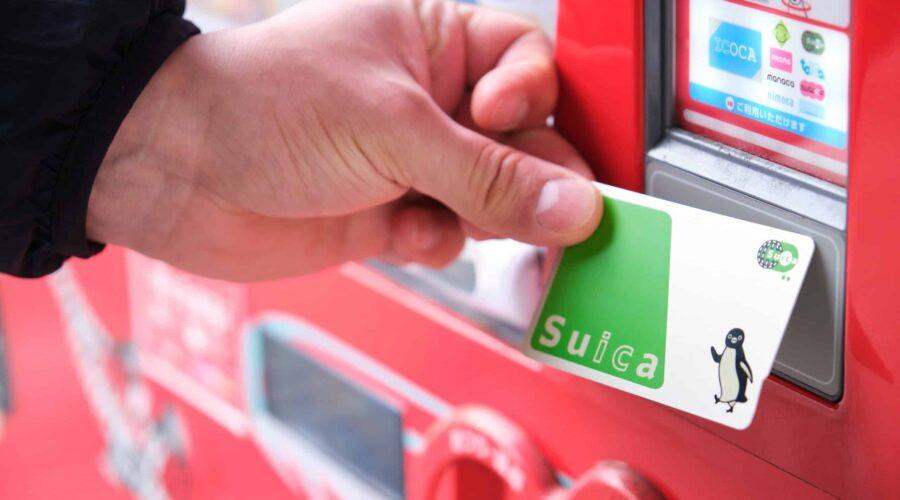
  • Touch-and-go convenience: Simply tap ‌your‌ iPhone or Apple Watch at train⁤ gates—no ‌need to unlock your device.
  • Auto-reload magic: Set‌ up automatic top-ups via Apple Pay ​to avoid balance shortages during rush ⁤hour.
  • Versatile spending: ⁤ Use Suica at vending machines, convenience ​stores,⁢ and even some taxis for cashless ease.
Feature Benefit
Express Mode Pay without waking your iPhone—ideal for quick ​transfers.
Balance ‍Alerts Get notified when funds run low, so you’re ​never stranded.

Forget fumbling through your bag for a physical ⁣card—your iPhone becomes your all-in-one transit‌ pass.the Suica Card’s real-time balance tracking lets you monitor expenses effortlessly, while its compatibility with Japan’s ‍vast transit network ensures ⁤smooth rides across cities.Plus, travelers love the eco-pleasant edge ⁤of ⁣going digital, reducing plastic ⁢waste one tap at a time. Whether ⁢you’re hopping on the yamanote Line or grabbing a snack from Lawson, the Suica card on iPhone is your ultimate urban sidekick.

Troubleshooting Common issues ​with Suica on iPhone

Using suica on an iPhone is incredibly convenient, but occasionally, you might encounter some ⁢hiccups. Here‍ are a‌ few common issues and how to‌ resolve them:

  • Card not Adding: Ensure your device ⁤is compatible with Suica and‍ that you’re running the latest iOS version. Also, check if your region ⁤settings are ‌set to Japan.
  • Balance Not Updating: Open the‍ Wallet app and‌ pull ⁣down to refresh. If the issue persists, try restarting your iPhone or removing and⁤ re-adding the card.
  • Payment Declined: Verify ‌that your Suica ⁣has ‍sufficient funds⁢ and that the terminal supports ​mobile suica payments.

For a smoother ⁤experience, it’s also worth checking your internet ​connection and ensuring ‍that NFC is enabled. If problems persist, consider updating your iPhone’s software or‍ contacting Apple ⁤Support for assistance.

Issue Quick Fix
Card Not Detected Hold your iPhone‌ closer‍ to⁤ the reader and ensure ⁣NFC is enabled.
Transaction Failed Restart‍ the⁤ Wallet app or your⁣ device,‌ then retry.
Incorrect‍ Balance Refresh the Wallet app or re-add the ‌Suica‍ card.

Maximizing Convenience with Suica Card Tips and Tricks

Unlocking the ‌full potential of your Suica card on iPhone‌ is easier than ⁤you might think. Here are some essential tips to make your⁣ experience seamless: Frist,​ ensure⁤ your iPhone is compatible with ⁣Apple Pay⁤ and Suica‌ integration—most models from iPhone 8 onwards work perfectly. Second, always keep your ​Suica balance topped up using‌ auto-recharge, so you never‌ get caught off guard during your commute. Lastly, ‍double-tap your iPhone to access Express ​Transit mode, allowing you ​to ⁤tap and go instantly ⁣without unlocking your phone.

Feature Benefit
Auto-Recharge Never ⁣runs out of balance
Express Transit Skip ‌unlocking your phone
Balance Check Quickly monitor ⁣funds

Beyond commuting, your Suica card can be a versatile ⁢tool for ⁢everyday life. Use it ‍for ⁤quick payments at convenience stores, ⁣vending ⁤machines, and‌ even ‌some restaurants—just tap and pay effortlessly. Additionally,consider integrating‌ your​ Suica with ‍ Apple Wallet for easy balance ⁣checks and transaction history. Did you know you can also transfer funds from an old physical Suica ⁣card to⁤ your iPhone? This feature ensures ‌no leftover balance goes to waste,‌ making your⁣ transition ⁢to digital smoother than ever.

To⁢ Conclude

And there you have ⁤it—your ultimate guide to‍ mastering the Suica ⁢card on your iPhone, served up with clarity and ease. Whether you’re ‍zipping through ⁢Tokyo’s bustling stations or grabbing a quick snack​ at⁤ a vending machine, this digital companion is now at your ‍fingertips. with⁤ just​ a few ​taps, you’ve ⁤unlocked a seamless way to navigate Japan’s cashless ecosystem.So, go ahead—explore,‌ travel, and ​experience the convenience of tech-savvy living. Your iPhone​ and ⁢Suica card ‌are ready ⁤to be the dynamic duo that simplifies your journey. don’t forget to like, share, and subscribe for more tips that make life a little smarter, one tap at ‍a‍ time. Until next time, happy travels and effortless swipes! 🚄📱✨

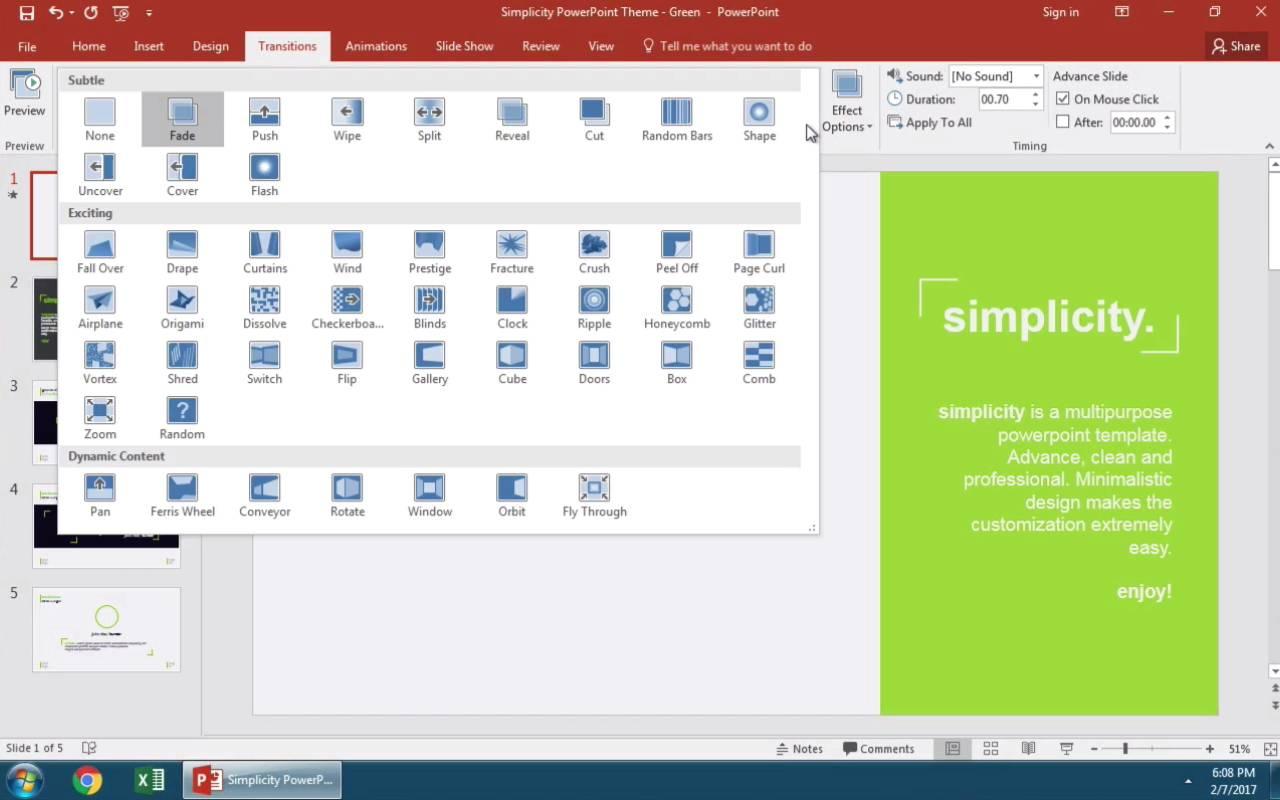
Crafting Stunning Slideshows with Music for YouTube Success

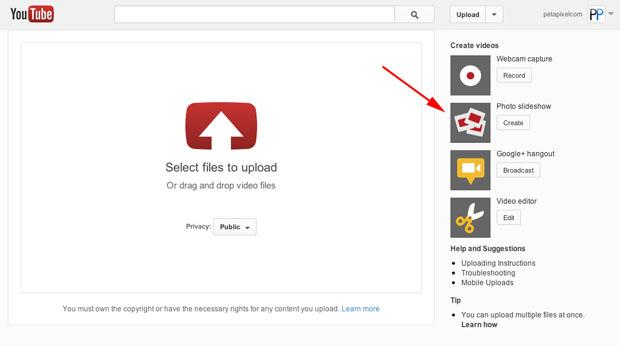
In⁤ the ⁣ever-evolving world ​of YouTube, where content is king, standing out requires more than⁢ just a​ captivating idea—it demands ‌presentation⁤ that​ resonates. Enter the art of crafting⁢ stunning slideshows paired with music,⁢ a timeless yet powerful way to engage audiences, ‍evoke emotions, and‍ leave a‌ lasting impression. Whether you’re sharing a personal journey,⁢ showcasing a portfolio, or telling a story, the right‌ blend of visuals and⁤ sound ⁣can transform your slideshow from⁣ ordinary to extraordinary. This article dives into the secrets of creating dynamic⁣ slideshows that not ‌only captivate viewers but also propel your​ YouTube channel‍ toward success. ready to turn your creative⁤ vision into​ a visual symphony? Let’s begin.

Mastering⁣ Visual Storytelling with Slideshow Composition techniques

Creating a captivating slideshow for YouTube requires⁤ more than just a sequence of images—it’s about weaving​ a visual narrative ⁣that resonates with your audience. Start by organizing ⁣your visuals into ‍a coherent story arc: a strong opening, a‌ developing‌ middle, and a ​ memorable conclusion. Use transitions thoughtfully to maintain flow, but avoid‍ overloading your⁢ slides with effects that may ‌distract viewers. Pairing your visuals with the ⁣right music⁢ track can elevate the ​emotional impact, making your content more engaging and shareable. For instance, a calm melody can enhance a travel montage, while upbeat⁣ tunes⁢ work well for dynamic product reveals.

To ensure ⁣your ⁣slideshow stands out,​ focus on composition techniques that enhance visual appeal. Here’s a quick guide to achieve this:

  • Rule of⁤ Thirds: Align key⁣ elements along the grid lines‌ for balanced framing.
  • Contrast and Color:⁣ Use vibrant hues to⁤ highlight crucial details and maintain⁢ viewer interest.
  • negative Space: Allow breathing ‌room around your subject to avoid clutter.
Element Purpose
Text ⁤Overlay Enhance clarity and reinforce key messages.
Image Sequencing Create a‍ logical⁤ flow that guides ⁢the viewer.
Music Sync Align transitions with​ beats for a rhythmic ‍experience.

Selecting the Perfect Soundtrack to Elevate‍ Your ⁣Slideshow⁤ Experience

The⁣ right music⁣ can transform ​a simple slideshow into an emotional journey, captivating your audience from start to finish. When choosing⁢ a soundtrack,⁢ consider the mood and theme ⁢ of ⁢your content—whether​ it’s upbeat and energetic​ or calm and ⁣reflective. Here are a few ‌tips to keep in mind:

  • Match the tempo of the​ music ‍to the pacing⁢ of your ​visuals for a⁣ seamless experience.
  • Choose tracks‍ that align with your audience’s preferences and the message you wont to convey.
  • Use royalty-free music or licensed tracks to avoid copyright issues on⁣ platforms ‌like​ YouTube.

To help you decide, here’s a ⁤quick guide​ to ​pairing music styles with‌ different types of slideshows:

Slideshow Type Music Style
Travel & Adventure Upbeat, instrumental
Wedding & ​Romance Soft, Melodic
Corporate & Professional minimalist, Ambient

By‌ thoughtfully⁢ selecting‍ your‌ soundtrack, ⁢you can enhance ⁤the visual narrative of your slideshow, leaving a lasting impression on your viewers.

Optimizing Slide Transitions and Timing for Seamless Viewer engagement

Optimizing Slide Transitions and Timing for​ Seamless Viewer⁢ Engagement

Creating a captivating slideshow requires more than just lovely visuals; it demands ‌ precision in timing and smooth transitions to keep your audience hooked. Start by selecting transitions​ that complement the​ mood of ‍your ⁢music—fade-ins for⁣ a soft,⁤ elegant feel, or quick ⁣cuts⁢ for a dynamic, ⁤energetic vibe. Always align​ your transitions with the beat or ⁣rhythm of the soundtrack ⁣to create a harmonious flow. Use tools like zoom effects or panning to add depth and movement to static images, ensuring your⁤ slideshow feels ⁤alive and⁤ engaging.

Transition Type Best Use Case
Fade Calm, reflective moments
Slide progressive ‍storytelling
Zoom highlighting key ‌details

Timing is equally crucial—each ‍slide should linger just long enough ​to convey⁣ itS⁢ message without losing⁢ the viewer’s interest. Experiment with duration based on the content; shorter slides work well for fast-paced⁢ music, while longer ones suit more​ contemplative tracks. Use tools like keyframes ‌ to ⁤adjust⁤ the pace dynamically, ensuring your slideshow feels natural and not rushed. By mastering ‍these‍ elements, you’ll craft a ⁤slideshow that captivates and ⁤resonates with your audience, driving engagement and ⁣YouTube success.

Leveraging YouTube Algorithms and Metadata for Maximum‍ Reach and Impact

Leveraging YouTube Algorithms and Metadata for Maximum Reach and‌ impact

To create​ slideshows that captivate audiences⁢ and thrive on​ YouTube, it’s essential to understand‌ how the platform’s algorithms and metadata work.‍ Keyword optimization ‌plays a pivotal role in ensuring your ​content is discoverable. Craft titles and descriptions that incorporate relevant search terms, and use tags strategically to align with viewer intent. Pairing these elements⁢ with engaging⁤ visuals and well-chosen music ensures your slideshow stands out in a⁣ crowded feed.

Effective metadata goes beyond keywords; it also⁣ involves structuring your content to ⁣maximize viewer retention. here’s how:

  • Optimize Thumbnails: ⁣ Use high-contrast images with bold text ‍to catch attention.
  • Leverage YouTube’s ⁣End‌ Screens: Direct ⁤viewers to other videos or playlists to boost watch time.
  • Use closed Captions: Improve accessibility and SEO by ⁤adding ⁣accurate subtitles.
Element Impact
Title Drives click-through⁣ rates
Description Enhances search visibility
Tags improves content categorization

key Takeaways

In the ever-evolving landscape of YouTube, where content ​is king, the power of ⁢a well-crafted slideshow ​paired with the right music cannot be underestimated. It’s a storytelling ⁣tool that transcends words, weaving ⁤visuals and sound into⁣ a seamless experience that captivates ‍and resonates with your audience.‍

As you embark on your journey​ to create slideshows that​ leave a lasting impression, ‍remember ​that the magic lies​ in the details—thoughtful image selection, purposeful transitions, ​and music that amplifies your message. Whether you’re sharing memories, presenting ideas, or‌ building your brand, these elements‍ harmonize to elevate your ⁣content from ordinary to extraordinary.

So, ⁣open⁣ your creative toolbox, experiment with rhythm and visuals, and let your artistry shine. With every ⁤slide and every note,you’re‍ not just making videos—you’re crafting moments that ‌inspire,inform,and ⁢connect. The stage is set, the spotlight is yours—go‍ create something unforgettable.

Mastering APA Citations: How to Reference YouTube Videos

In the ever-evolving‌ landscape of ⁣digital‍ content, YouTube has emerged as ⁤a powerhouse of information, offering everything from academic tutorials to personal vlogs. As this ​platform​ continues to grow, so⁣ does​ the ⁢need to properly reference its content in academic and professional writing. Mastering APA ‌citations ⁢for⁢ YouTube videos is no longer just ⁢a niche skill—it’s an ‍essential ⁣tool for anyone navigating the intersection ⁣of digital media and scholarly work.‍ Whether you’re⁢ a student, researcher, or writer, ‍understanding how to⁣ accurately ⁢cite YouTube⁢ videos⁣ ensures‍ your work is both ⁢credible and compliant with academic standards. In this⁢ article,we’ll⁣ guide you‌ through the nuances of APA ‍citation ​for YouTube content,helping⁣ you ⁤seamlessly integrate this modern⁢ resource‌ into your writing.

Understanding the Basics⁣ of APA ‌Citation for ‌YouTube ⁣Videos

Referencing‍ YouTube videos in APA format doesn’t have​ to be ‌complicated—onc you know ⁤the key elements. Start by identifying the video creator’s⁤ name (or channel name), publication date, video title, ‍and URL. If the creator’s real​ name isn’t‌ available, use their username. Such ⁣as:

  • Creator: TED-Ed
  • Date: ⁢ (2023, may⁢ 15)
  • Title: “The science of ⁣Stage⁣ Fright”
  • URL: https://www.youtube.com/watch?v=example
Element format
Creator Last⁢ Name, initials⁢ or channel Name
Date (Year, Month Day)

remember, ⁤APA citations ‌prioritize clarity⁤ and⁢ consistency. If the video lacks a ​clear⁣ publication date, use (n.d.) ‍ for “no date.” For‌ timestamps, include them ⁤in your in-text citation—e.g., (TED-Ed, 2023, ‍2:15). Whether you’re citing⁣ an educational lecture or a viral‌ clip,​ sticking to these guidelines⁤ ensures your references are ‍professional and easy ‌to verify.

Crafting Accurate⁣ references for Various ⁤YouTube Content Types

Referencing YouTube⁢ videos in APA format requires attention ⁢to detail, as the platform​ hosts a variety of content ‌types, from individual uploads to channels and playlists. ⁤To⁤ craft ​an accurate citation, start by​ identifying⁢ the creator’s name, upload date, video title, ‌and URL. For example,​ a ​standard​ YouTube video reference ⁣includes the creator’s last ⁣name and ​initials, ⁢the year, ‍month, and day of​ publication, ⁤the⁤ title in ‍sentence ⁣case, and the ⁣platform ​name. ​Here’s ⁤a rapid guide to ensure precision:

  • Individual Video: Creator Last Name,​ First Initial. (year, Month Day). Video title [Video]. YouTube. URL
  • Channel: Creator Last Name, ⁢First Initial. (n.d.). Channel name [YouTube channel]. YouTube.‌ Retrieved Month ​Day, Year, from ⁤URL
  • Playlist: ⁢Creator Last Name, First Initial. (Year, Month Day). ⁢ Playlist ‍title [Playlist]. YouTube. URL

For a more ⁣structured approach, consider the following table to differentiate between content types and their​ citation formats:

Content Type APA Format
Video Creator Last Name, First Initial. (Year, Month Day). Video title [Video]. YouTube. URL
Channel Creator‍ Last name, First ​Initial. (n.d.). Channel name [YouTube channel].YouTube. Retrieved ⁢Month ‍Day, ⁣Year,⁣ from URL
Playlist Creator ⁢Last Name,‌ First ⁣Initial. ⁤(Year,⁢ Month Day). Playlist title [Playlist]. YouTube. URL

Avoiding ​common⁢ Mistakes when Citing YouTube ​Videos​ in⁣ APA style

Avoiding⁤ Common Mistakes When⁤ Citing ⁣YouTube Videos ⁤in ​APA Style

Referencing YouTube⁤ videos in‌ APA style can⁢ be ‍tricky, but ‍avoiding common mistakes ensures your citations are accurate and professional. One frequent error is ⁣omitting the uploader’s ​real name⁢ when available—always⁢ prioritize ​the creator’s name over their‍ channel name if both are provided. Another pitfall ⁤is forgetting⁣ to ⁢include the video’s timestamp for direct quotes, which ‌is essential for pinpointing specific⁣ content. Here’s‌ a quick⁢ checklist to ⁢keep‍ your citations‌ on‍ track:

  • Use the uploader’s‍ real name (e.g., Smith, ​J.) rather of the⁢ channel‍ name⁣ (e.g., “ScienceExplained”).
  • Include ⁤the full date (Year, Month⁤ Day) in parentheses, not just the year.
  • Add ​”YouTube” in italics ​after the video title, followed by the URL.
mistake Correction
Using only‍ the channel name Cite the creator’s real name first
Missing timestamps ‌for quotes Add (00:01:23) for precise​ references

Formatting‌ the URL ‍correctly⁢ is another area where mistakes often ⁤creep in.APA⁤ 7th‌ edition no longer requires “Retrieved​ from” ‌before URLs, but ⁤the⁣ link must still ⁢be direct and functional.‌ avoid truncating or hyperlinking the URL—simply paste it ‍in plain text. for videos without ‌a clear author, use the⁣ channel name as the author, ‍but ensure consistency throughout your references. ​Double-check these details to maintain credibility and avoid losing⁤ points‌ over technicalities.

Enhancing⁤ Your Citations with Tips for Clarity and Consistency

When referencing‍ YouTube⁣ videos in APA style,clarity and consistency ‌are ⁤key ‌to ensuring⁢ your⁢ citations ⁢meet academic standards. start by including the creator’s name, the upload date, ‍the ⁤video title, and ​the platform. For example, if the creator’s⁤ name is not available,⁢ use the channel name instead. Additionally, always‍ verify the accuracy of the publication date and the​ spelling of ⁤the ⁣video title, as‍ errors in ⁢these details can undermine the credibility ⁤of your work.‍ To maintain consistency:

  • Ensure ⁤the video title is in sentence‌ case, ⁣capitalizing only the ‌first word ‌and proper nouns.
  • Use ⁣the ⁢full ⁢URL of the video,⁣ but⁣ omit “https://” ‌for⁣ simplicity.
  • Double-check that ‌the format aligns with APA’s‌ latest guidelines.

Creating a clear citation⁢ structure not only enhances ⁢readability but also​ helps readers locate the source effortlessly. Below is a quick reference table for citing YouTube videos in APA style:

Element Example
Creator/Channel Name National Geographic
Upload⁢ Date 2023,​ october 5
Video ‍Title The hidden world⁢ of‌ deep-sea creatures
URL youtube.com/watch?v=example123

To Wrap It Up

Mastering APA citations for YouTube videos might ​seem​ like navigating a digital ‍maze, but with the right tools and techniques,​ it’s a skill ⁤you can conquer. Whether you’re citing ⁣a TED Talk, a tutorial, or a viral clip, precision and clarity are your allies. Remember, each ‌citation is ‌a nod to ‌the creators ‌whose work informs and inspires your own. So, the next ⁣time you find ‍yourself scrolling through ⁣YouTube, take a moment to appreciate the ​wealth ‌of knowledge at your fingertips—and ⁤cite it with confidence. After all,in the world of ⁢academic ​writing,giving​ credit where it’s due ⁢isn’t just a rule; it’s a mark of respect. Happy citing! 🎥✨

The Ultimate Streaming Showdown: Best Devices for YouTube TV

Welcome to the ultimate ‍battleground of entertainment—where sleek designs, ​blazing speeds, and ⁢crystal-clear streaming converge. In the ever-evolving​ world of cord-cutting, finding the ⁤perfect‍ device​ to unlock YouTube TV’s⁢ treasure trove of live channels, on-demand content,‍ and DVR capabilities can feel like​ navigating a ⁤labyrinth. Fear not,⁤ as we’ve taken on the role of tech gladiators, pitting the top streaming contenders against each other in a⁤ head-to-head showdown. Whether you’re a ⁣sports fanatic,‍ a ​binge-watcher, or⁢ a casual viewer, the right ⁤device can transform ​your⁢ living room into a command center for all things YouTube TV.‌ So, grab‌ your ‍popcorn⁢ and let’s ​dive ⁣into the clash of ⁣the titans to uncover which device reigns supreme.

Exploring⁣ the Top Contenders for Seamless YouTube TV Streaming

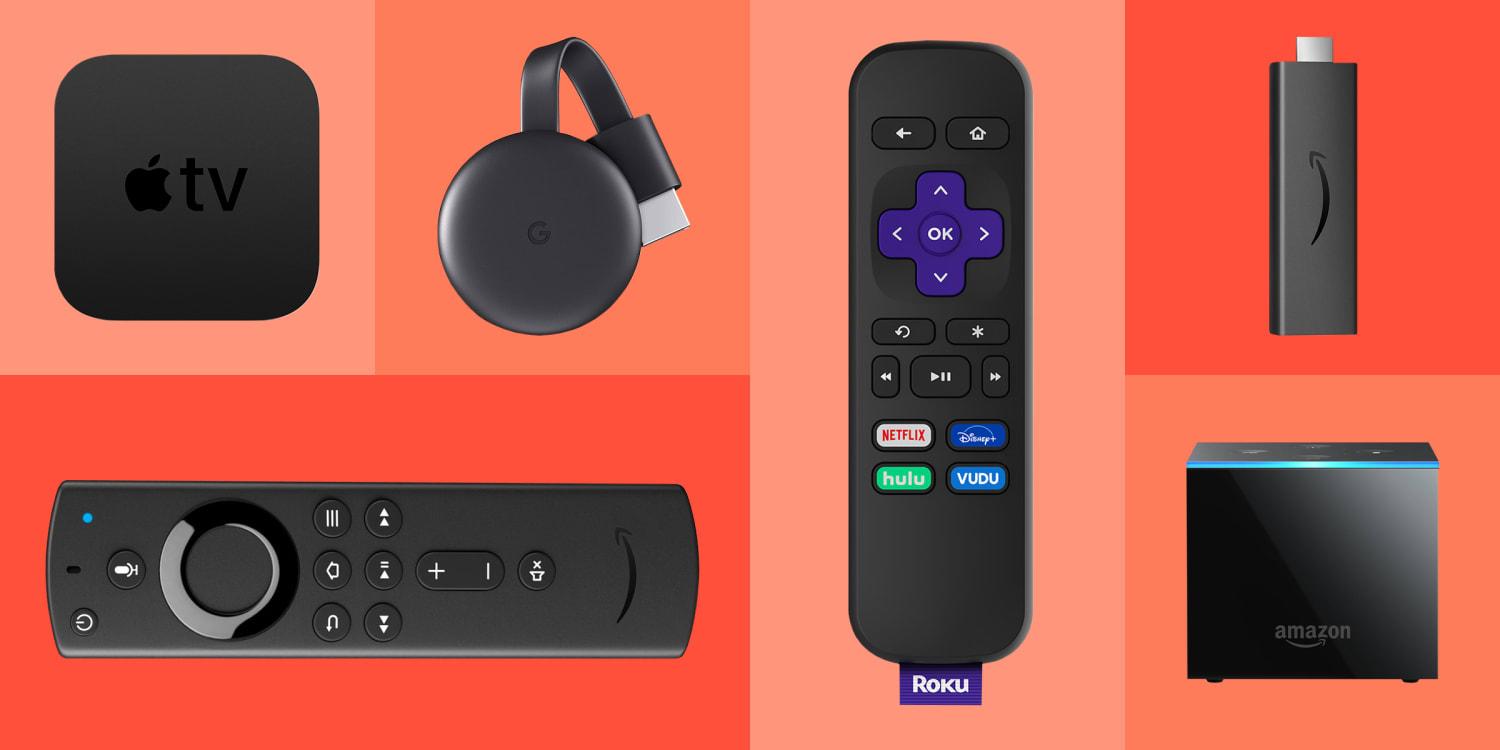
When⁢ it comes to streaming YouTube TV ⁢seamlessly, the device you choose can ‍make all the⁤ difference. Smart TVs ⁢ and⁤ streaming sticks ‌dominate the market,but⁢ not all are created equal. For those who ⁢prioritize speed⁤ and reliability, roku Ultra and⁤ Apple ⁤TV ​4K stand‍ out with their ‍smooth performance and crisp visuals.Meanwhile, budget-conscious viewers might lean toward the Amazon Fire TV Stick 4K, which offers ⁤impressive features without‌ breaking the bank.⁤ Each device⁢ brings its⁤ own strengths ⁤to the table, catering to diverse user needs.

  • Roku Ultra: Fast, user-pleasant interface with 4K ⁤HDR support.
  • Apple TV 4K: Extraordinary ​picture⁤ quality and seamless integration ​with Apple ecosystems.
  • Amazon Fire ⁢TV Stick ​4K: Affordable, compact, and packed with Alexa ⁤voice‌ control features.
Device Highlight
Roku ‍Ultra best overall⁤ performance
apple TV ​4K Superior video​ quality
Fire⁤ TV Stick 4K Budget-friendly powerhouse

For gamers or multitaskers, game consoles like the PlayStation 5 or xbox⁣ Series ⁣X ⁣ double as excellent streaming hubs, offering both entertainment‍ and functionality. Conversely, Chromecast with Google TV appeals​ to those who love personalized recommendations and voice control. With so many options, finding the perfect device for‍ YouTube ⁢TV​ streaming ultimately depends on ‍your ⁤viewing habits,⁤ budget, and ​desired ‍features.‍ Whether you’re after top-tier performance or ⁢affordability,there’s a contender that fits‌ every⁣ lifestyle.

Performance Metrics That Matter: Speed, Resolution, and Reliability

Performance⁤ Metrics That Matter: ⁢Speed,‌ Resolution, and ​Reliability

When choosing⁣ the⁢ best device‌ for streaming‍ YouTube TV, speed, resolution, and reliability are crucial factors that can ‌make or ⁤break your viewing experience. A device’s processing ⁣power determines⁤ how quickly it can load content, switch channels, ⁣or⁢ navigate ‌menus. Look ‍for hardware with fast processors and sufficient RAM ⁤ to eliminate frustrating lags or ⁤buffering. Additionally, Wi-Fi compatibility ​ and Ethernet support ensure a stable connection, especially for high-definition⁣ streams. Devices with optimized software for YouTube TV also tend to perform‌ better, offering smoother ‍transitions between live‍ TV and on-demand content.

Resolution⁤ plays a ⁤notable role in delivering a visually immersive experience. 4K support is a standout feature for modern‌ devices, but even without‍ it, 1080p streaming should be ⁣consistent and ⁢sharp. Here’s how ⁤some⁢ popular devices compare in key areas:

Device Speed Resolution Reliability
Roku Ultra Fast 4K HDR High
Apple TV 4K Very Fast 4K Dolby Vision Very High
Chromecast with Google TV Moderate 4K ⁢HDR Moderate

Reliability​ ensures your device can handle​ long streaming sessions⁤ without ⁣crashes⁣ or‌ overheating. Heat‍ management and ⁣ software stability are⁤ key considerations, as well‍ as ⁣ regular updates that keep the platform‌ running smoothly. Investing in a device that ⁢excels in these ​metrics‌ guarantees ⁣a seamless YouTube TV⁢ experience, whether you’re binge-watching⁢ your ​favorite shows or catching the‍ latest live sports.

User ‍Experience spotlight: ⁢Navigating ‌Interface ​and accessibility Features

When ‍it‍ comes to navigating YouTube⁣ TV, the user ​experience can vary​ significantly based on the ⁤device you choose. ‌Seamless⁢ interaction, ⁤intuitive controls,⁢ and accessible features are key to ⁣enjoying ⁢your streaming ⁤journey. Devices like the Chromecast with Google TV ​ and ⁤ Apple TV 4K ⁢shine ⁤with their sleek interfaces, voice search capabilities, and⁢ effortless content revelation. Conversely,⁤ gaming ‍consoles such ⁣as the playstation 5 and Xbox series X offer ‌robust​ performance‍ but may require a bit more navigation ⁢effort. Here’s what ‍stands out:

  • Chromecast with Google ​TV: Simple setup, voice commands, ‍and personalized recommendations.
  • Apple TV‌ 4K: Smooth transitions, Siri integration, and‌ a polished‍ interface.
  • Smart ⁣TVs: ​ Built-in apps ⁤for⁤ instant‌ access, though performance varies by brand.

For those prioritizing accessibility, devices like the Amazon Fire ⁣TV‌ Stick come with features such as‍ voice guidance and text-to-speech for ‍visually impaired users.Simultaneously occurring,​ the Roku Ultra offers ‌customizable ⁣subtitles and high-contrast modes, making ⁣it⁢ a favorite⁢ for viewers⁣ with specific needs. Below​ is a quick⁢ comparison of ‍accessibility features ​across popular‌ devices:

Device Accessibility Features
Amazon Fire TV Stick VoiceView screen ⁣reader,text-to-speech
Roku Ultra Custom​ subtitles,high-contrast mode
apple TV 4K VoiceOver,closed captions,audio descriptions

Budget vs Premium: ⁢Finding the Perfect Device for Your‌ Viewing Needs

Budget ​vs Premium: Finding the Perfect Device for Your Viewing Needs

When‍ it⁤ comes to choosing a device for⁣ streaming YouTube TV, the decision often‌ boils down to budget-friendly⁤ options versus premium models. Budget devices, like the Amazon⁤ Fire⁤ Stick or⁢ Roku⁢ Express, offer affordable entry points ​with decent‌ performance‍ for⁢ casual viewers. ⁤They’re perfect for those who want basic functionality without ⁣breaking the bank. On the ⁤other hand, premium devices such as the Apple TV 4K or ⁣NVIDIA Shield ‍TV deliver superior processing ⁣power,​ 4K HDR support, and enhanced ⁤features ‍like‍ voice​ control and gaming capabilities. These are⁣ ideal⁢ for tech enthusiasts or households that demand⁤ the best‍ streaming ⁢experience.

feature Budget Devices Premium‌ Devices
Resolution Up to 1080p 4K HDR
Speed Basic Blazing ⁣Fast
Price $25-$50 $150-$200+

Choosing between budget and premium devices depends on your priorities—whether you ​value⁤ cost-effectiveness ‍or are willing to ‍invest in cutting-edge technology. ⁣Budget ‌devices are great​ for secondary TVs or ⁤users with minimal ‌needs, while premium devices shine in⁤ home theaters or for those who want seamless, high-quality⁤ streaming. Consider⁢ your⁤ viewing​ habits and long-term goals to make the right‍ choice.

Insights and Conclusions

Outro: The Stream Stops Here

And there⁤ you have it—a ⁢comprehensive breakdown of ⁣the best devices to supercharge your YouTube ‍TV experience.Whether ⁤you’re a casual viewer or‍ a binge-watching aficionado, the right​ streaming⁢ device ⁢can ⁢transform your living room into a⁣ personal ​theatre or your ⁤commute into a mobile entertainment hub. From sleek smart TVs​ to⁣ compact streaming sticks,each device brings its own flair to ​the table,offering unique features tailored to your needs.As the⁤ world of ‌streaming continues to evolve, ​one thing⁢ remains ​clear: ​the power to customize​ your‍ viewing experience is firmly in your ‍hands. So, grab your remote, pick ⁣your platform, and dive into the endless ​sea‍ of content waiting to be explored. The ultimate streaming showdown isn’t just about the devices—it’s about how they bring your favorite shows, live sports, and movies to life. Happy streaming! 🎬📺

Decoding YouTube’s ATS Symbols: What Do They Mean?

Ever scrolled through YouTube⁣ and noticed those ⁤tiny, mysterious symbols next‌ to your favorite videos? A green checkmark, ​a red exclamation point, or even a gray clock—what ​do they all signify? These cryptic icons are ⁣part⁤ of ⁢YouTube’s Automated Tracking⁣ System (ATS), quietly​ shaping what you see—and don’t see—on‌ the platform.

Whether‌ your a creator trying to decode​ the algorithm or a ‍curious viewer, understanding these symbols ⁢can unlock hidden insights⁣ into video ⁣performance, monetization, ​and even content restrictions. Let’s ‍peel back the layers and uncover what these silent ‍signals really mean.

Understanding YouTube ATS Symbols: A Comprehensive Overview

YouTube’s Automated‍ Tagging System (ATS) uses a variety ⁣of symbols to help creators and viewers navigate content⁢ more⁤ effectively.⁢ These ⁣symbols act as visual cues,⁣ providing‍ insights into the status, features, or‍ restrictions of a video.As an‌ example, ‌you ⁢might⁣ encounter symbols⁤ indicating whether a video is age-restricted, monetized, or​ part ⁣of a⁤ live⁣ stream. Understanding these‍ symbols can enhance​ your ⁣YouTube experience by​ helping you identify key details at ‌a glance.

  • Monetization Symbols: These⁤ indicate whether a video⁢ is ad-supported or has revenue-sharing ⁤enabled.
  • Restriction Symbols: Represent age restrictions or regional limitations on content.
  • Live ‍Stream Indicators: Highlight⁣ videos⁢ that are currently broadcasting in‍ real-time.

Below is a fast reference table‍ to decode some ‍of the most common ATS ⁤symbols:

Symbol Meaning
🔒 Age-restricted content
💲 monetized video with ads
⏯️ Live ‍stream in progress

By familiarizing yourself with ⁣these symbols, you can better manage your ‌content and optimize your viewing experience on YouTube.

Breaking Down the Most Common ATS Indicators⁤ for⁤ Content creators

Breaking⁣ Down⁤ the Most ​Common ATS Indicators for Content Creators

Understanding YouTube’s ​Automated Tracking System⁤ (ATS) symbols can feel like cracking a secret code, but it’s essential for content creators aiming to optimize their channels. These‌ indicators provide valuable insights into how your videos‍ are performing, ⁤helping you refine your strategy for better engagement.Here are some of the most common‌ ATS symbols and their ‍meanings:

  • 🔥 Fire Icon: ⁤ Indicates a video with rapidly increasing views or engagement.
  • 📊 ‍Bar Chart: ‌Represents detailed analytics, including watch time and‍ audience retention.
  • 🔔 Bell: Highlights notifications enabled by your subscribers for new ⁣uploads.

To make sense​ of these symbols, it’s helpful to break‍ them down into ​actionable data.⁢ For example,tracking the fire icon ⁣can reveal trending‌ content,while the bar chart helps identify areas for betterment.⁣ Below is ⁤a quick reference⁤ table ​for ⁤some ‌key ATS symbols and their implications:

Symbol Meaning
🔥 High ⁣demand or⁢ trending ‌content
📊 Detailed performance metrics
🔔 Active subscriber engagement

How⁢ to Leverage ATS Symbols to Boost Video Performance

Understanding YouTube’s ATS ⁤(Audience targeting Symbols) can be a ‍game-changer for⁣ creators looking⁢ to ⁤optimize their ⁢video performance. These symbols, often overlooked, provide ‍valuable‌ insights into how​ your content is being ⁤categorized and recommended‌ by the platform. By ‌leveraging them⁢ strategically, you can enhance discoverability​ and engagement.

  • 🔍 Research ATS trends: ⁢Identify which symbols align with your niche and audience preferences.
  • 📌 ⁢Optimize metadata: Incorporate relevant symbols in titles, descriptions,‌ and tags ⁢to improve targeting.
  • 📊 Analyze performance: Monitor how videos with specific symbols ⁤perform and refine your strategy.
Symbol Potential impact
🎯 Increases precision in audience targeting
🔥 Boosts engagement with⁤ trending ⁤topics

Experimenting ⁣with ​ATS symbols isn’t just about adding flair—it’s⁢ about aligning your⁢ content with YouTube’s recommendation ​algorithms. For example, ⁣pairing a ‌”💡” (lightbulb) symbol with educational ⁣content​ can signal to the platform that your ‌video ‍offers insights, potentially⁢ increasing its reach. Stay⁤ adaptable and⁣ test ‌different ‌combinations to see⁤ what resonates best with your​ audience.

Actionable Strategies ⁣for Addressing ATS warnings and ⁢Errors

When you encounter YouTube’s Automated System (ATS) symbols, understanding their meaning is ​only half​ the battle. The key‌ lies in implementing effective strategies to resolve the ⁢issues they represent.​ Start by⁤ reviewing the flagged content thoroughly—check ​for any violations of YouTube’s community guidelines or⁢ copyright policies. Ensure all metadata, including titles, descriptions,‍ and⁣ tags, are accurate ⁢and relevant. If the issue​ persists,‍ consider​ appealing the ⁢decision ​ with ⁢clear⁣ and ⁢concise explanations ‍or evidence to support your case. Additionally, staying proactive by regularly⁤ monitoring your channel’s performance and ‍analytics can definitely help you identify ​patterns or⁣ recurring issues​ before they escalate.

Here are ‌some actionable ​steps to address common ATS warnings and errors:

  • Review and update metadata: ⁢Ensure titles,‌ descriptions, ‌and tags ​align with your content ⁤and comply with YouTube’s policies.
  • Check for copyright issues: Verify that all media used⁢ in‌ your videos are⁤ either original or properly licensed.
  • Submit an appeal: If you believe the warning ⁣or error is a mistake, provide​ clear evidence to support your claim.
  • Engage ⁣with‌ your audience: Positive engagement can signal to‌ the ‌ATS​ that your content is ‌valuable and ​compliant.
ATS Symbol Common Cause Quick‍ Fix
⚠️ Metadata⁤ mismatch Update titles, ⁢tags, and ⁢descriptions
Copyright claim Replace⁤ or remove flagged content
🔄 Content under review Wait for manual ​review or appeal

The Way Forward

As the digital ‌curtain⁤ falls on our exploration of⁢ YouTube’s ATS symbols, it’s‌ clear that these cryptic markers are more‍ than‍ just ​random ​icons—they’re⁢ the ​silent‌ narrators of YouTube’s⁣ algorithmic saga. Whether you’re a content creator, a‍ casual⁤ viewer, or ​a data enthusiast, understanding these ​symbols can unlock a deeper appreciation for ‍the‌ platform’s intricate mechanics. While ⁣their meanings may⁣ remain ⁢shrouded in some mystery, the⁣ journey​ to decode them⁢ is a testament⁣ to the ever-evolving relationship between technology, ⁤creativity, and curiosity. So, the next ​time you spot one of these enigmatic signs, remember: they’re ⁢not just symbols—they’re whispers from ⁣the algorithm, ‍inviting you⁤ to look closer, think deeper, and perhaps, even crack the ⁣code. Happy decoding!