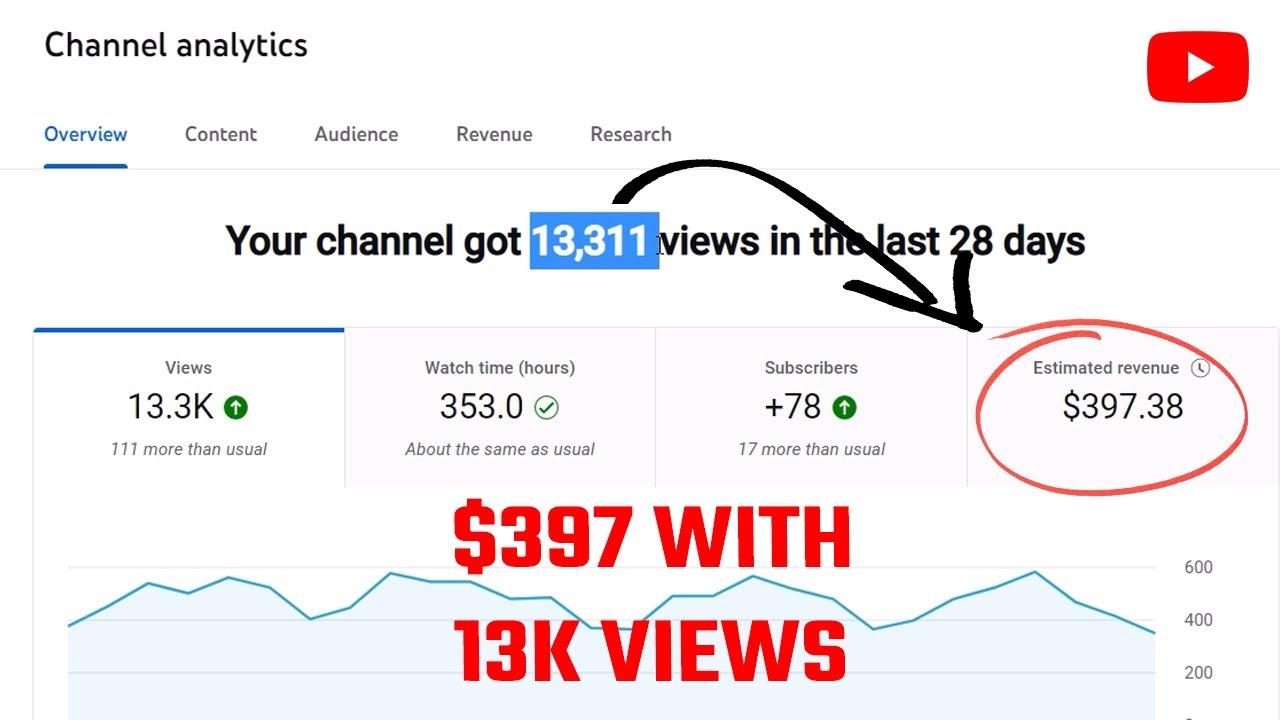
In the vast digital ocean where content creators swim freely, YouTube stands as a towering lighthouse, guiding billions of viewers adn creators alike. It’s a platform where dreams are broadcast, ideas are shared, and fortunes are whispered to be made. But behind the scenes of viral videos, trending channels, and endless scrolls, a pressing question lingers: Just how much does YouTube earn? Beneath its polished surface lies a complex ecosystem of ads, subscriptions, and data—a world where creativity intersects with commerce. As we peel back the curtain on its financial machinery, we’ll explore the numbers, the myths, and the realities that define YouTube’s revenue. Whether you’re a curious viewer, an aspiring YouTuber, or simply fascinated by the economics of the internet, this journey promises to unveil the dollars and cents behind the screen.
Understanding YouTube’s Revenue Streams and Sources
YouTube’s revenue streams are diverse and multifaceted, making it one of the most lucrative platforms in the digital landscape. The primary source of income is advertising revenue, which accounts for the lion’s share of its earnings. This includes video ads, display ads, and overlay ads that appear before, during, or alongside user-generated content. However, YouTube’s monetization strategies extend far beyond ads. The platform also generates critically important income from YouTube Premium, a subscription service that offers ad-free viewing and access to exclusive content. Additionally, creators contribute to YouTube’s revenue through Super Chats, Super Stickers, and channel Memberships, allowing viewers to support their favorite channels directly.
Beyond these mainstream streams, YouTube taps into niche avenues to bolster its earnings.As a notable example, merchandise shelf integration enables creators to sell branded products directly on their channel pages, with YouTube taking a percentage of the sales. The platform also earns from YouTube Music subscriptions and YouTube TV, catering to users seeking specialized entertainment experiences. To better understand the breakdown, hear’s a simplified overview:
| Revenue Source | Description |
|---|---|
| advertising | Video ads, display ads, and overlay ads. |
| YouTube Premium | Subscription service for ad-free viewing. |
| Creator contributions | Super Chats, Super Stickers, and Memberships. |
| Merchandise | Integration of branded product sales. |
| Specialized Services | youtube Music and YouTube TV subscriptions. |
Breaking Down Advertising Income and Its impact on Earnings
Behind every viral video and trending channel lies a complex web of advertising income that fuels YouTube’s ecosystem. The platform’s earnings are primarily driven by ad placements, sponsorships, and premium subscriptions, but the real magic happens when creators and YouTube split the revenue. Here’s how it works:
- Ad Revenue Share: YouTube keeps 45% of ad earnings, while creators take home 55%.
- CPM Rates: Rates vary wildly—gaming channels might earn $2 per 1,000 views,while finance creators could pocket $15 or more.
- Alternative Income: Super Chats, memberships, and merchandise sales add layers to a creator’s financial pie.
| Revenue Source | Estimated Earnings Range |
|---|---|
| AdSense (per 1M views) | $2,000 – $15,000 |
| brand Deals (per video) | $500 – $50,000+ |
While YouTube’s cut seems considerable, the platform’s infrastructure—server costs, content moderation, and algorithm development—justifies its share. For creators, the key to maximizing earnings lies in diversification. Relying solely on ads is risky; the smartest channels blend sponsorships, affiliate marketing, and direct fan support. The result? A revenue stream as dynamic as the content itself.
Exploring Partner Programs and Content Creator Contributions
Partner programs and content creators are the backbone of youtube’s financial ecosystem. Through the YouTube Partner Program (YPP),creators unlock monetization opportunities by meeting specific thresholds,such as 1,000 subscribers and 4,000 watch hours. This symbiotic relationship allows YouTube to thrive while empowering creators to earn through ads, memberships, and merchandise. Additionally, brand collaborations and sponsored content further amplify revenue streams, making it a win-win for both parties.
Here’s a fast breakdown of how creators contribute to YouTube’s revenue:
- Ad Revenue: Creators earn a share from ads displayed on their videos, with YouTube taking a significant portion.
- Channel Memberships: Fans pay monthly fees for exclusive perks, boosting both creator and platform income.
- Super Chats & stickers: Live stream viewers pay to highlight their messages, directly contributing to YouTube’s earnings.
| Revenue Source | Creator Share | YouTube Share |
|---|---|---|
| Ad Revenue | 55% | 45% |
| Memberships | 70% | 30% |
| Super Chats | 70% | 30% |
Analyzing YouTube’s Long Term Financial Growth and Future Potential
YouTube’s financial trajectory is a testament to its dominant position in the digital ecosystem. Sence its inception, the platform has evolved from a simple video-sharing service to a multi-billion-dollar revenue generator. Driven by advertising revenue, premium subscriptions, and content partnerships, YouTube has cemented itself as a cornerstone of Alphabet’s earnings. In recent years, the platform has diversified its income streams by introducing features like YouTube Shorts, Memberships, and Super Chats, which cater to creators and viewers alike. This expansion ensures that YouTube remains adaptable in an ever-changing digital landscape.
| Revenue Stream | Contribution (%) |
|---|---|
| Advertising | 75 |
| Subscriptions | 20 |
| Other features | 5 |
The platform’s future potential is equally compelling.With the rise of short-form content and live streaming, YouTube is strategically positioned to capitalize on emerging trends. The integration of AI-driven recommendations and personalized ad targeting enhances user engagement while maximizing ad revenue. Additionally,YouTube’s global reach ensures it taps into untapped markets,particularly in regions with growing internet penetration. For creators, the platform continues to offer unparalleled opportunities, fostering a symbiotic relationship that drives innovation and growth. As YouTube evolves, its ability to balance monetization with user satisfaction will be key to sustaining long-term financial success.
Strategies for Businesses and Creators to Maximize Revenue on YouTube
to maximize revenue on YouTube, businesses and creators must adopt a multi-faceted approach. Diversifying income streams is crucial—relying solely on ad revenue is no longer sufficient.Explore options like sponsorships, affiliate marketing, and merchandise sales to supplement earnings. Additionally, leveraging YouTube Premium revenue and channel memberships can provide a steady income from loyal viewers. Monetizing high-quality content that resonates with your audience ensures a sustainable revenue model.
Optimizing your channel’s performance is equally crucial. Focus on SEO-driven video titles, descriptions, and tags to improve discoverability. Regularly analyse your YouTube Analytics to identify trends and adjust your content strategy accordingly. Here’s a quick breakdown of potential revenue streams:
| Revenue Stream | Description |
|---|---|
| Ad Revenue | Earnings from ads displayed on your videos. |
| Sponsorships | Paid partnerships with brands. |
| Affiliate Marketing | Commissions from promoting products. |
| Merchandise | Selling branded products to your audience. |
Engaging with your audience through live streams, comments, and community posts fosters loyalty, increasing the likelihood of repeat views and higher engagement rates. By combining these strategies, businesses and creators can unlock YouTube’s full revenue potential.
To Conclude
In the ever-evolving digital landscape, YouTube stands as a colossal force, a platform where creativity meets commerce, and billions of hours of content find their eager audience. While the exact figures of YouTube’s revenue might seem like a well-guarded secret, one thing is clear: its financial impact is as sprawling as its global reach. From ad dollars to premium subscriptions, from creators cashing in on their passions to businesses amplifying their brands, YouTube’s revenue streams are a testament to its multifaceted ecosystem.As the platform continues to innovate and adapt, its financial story remains as dynamic as the videos it hosts. Whether you’re a creator,advertiser,or simply a viewer,understanding youtube’s revenue is a glimpse into the heartbeat of modern media—a reminder that in this digital age,content truly is king. So, the next time you hit play, remember: you’re not just watching a video, you’re part of a multi-billion-dollar machine that’s reshaping the world, one view at a time.