
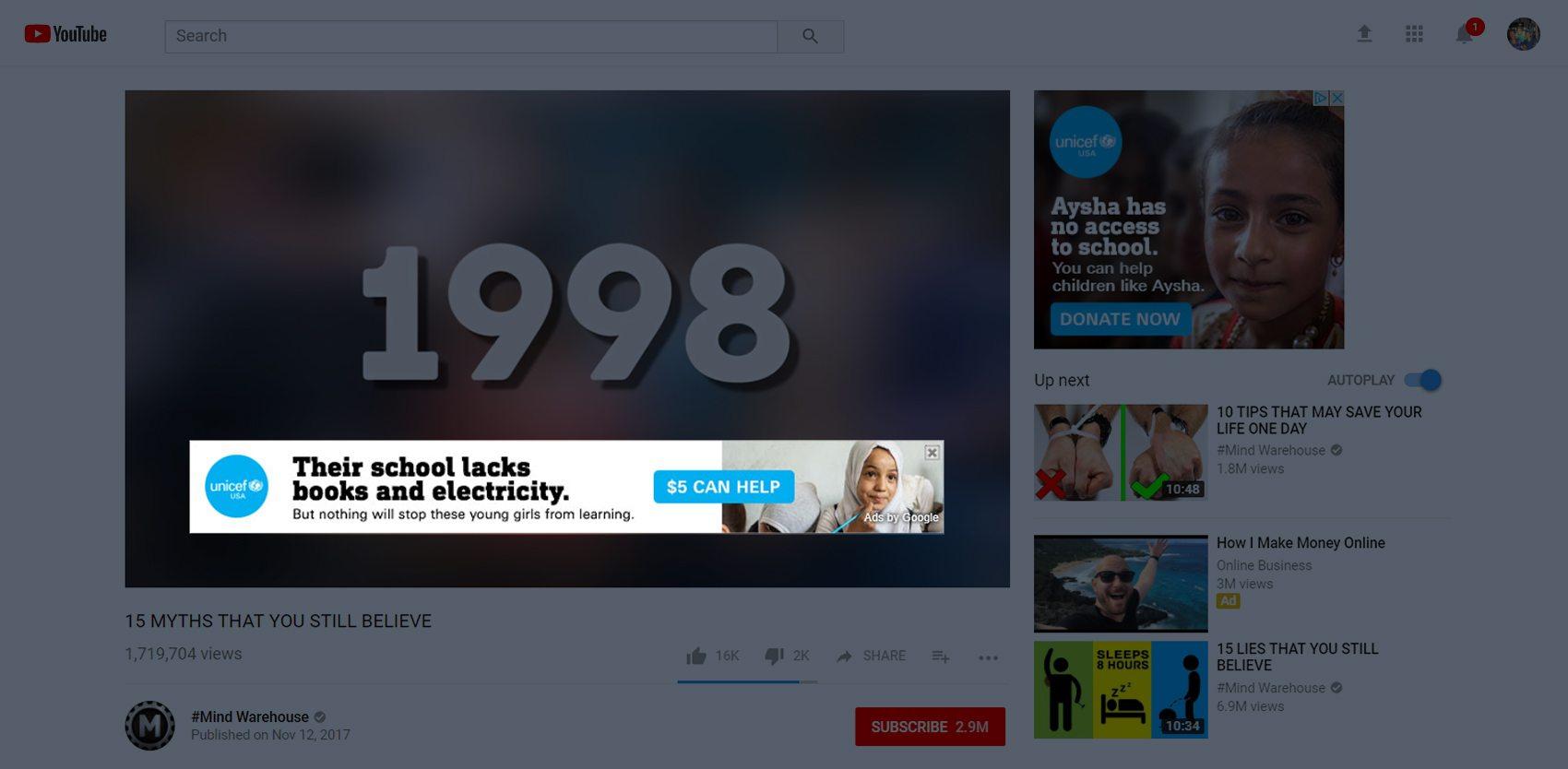
In the ever-evolving landscape of digital advertising, change is the only constant. Once a staple of online marketing, banner ads have long been a familiar sight across the web, thier colorful rectangles vying for attention in every corner of the screen. But as user behavior shifts and platforms adapt, even the most entrenched strategies must evolve. Enter YouTube—a pioneer in the digital ad space—now steering away from banner ads in favor of fresh, innovative approaches. In this article, we delve into the motivations behind YouTube’s decision, explore the implications for advertisers and creators, and examine what this shift means for the future of online advertising. Prepare to uncover the story behind the disappearance of banner ads and the new strategies taking their place.
The Evolution of YouTube’s Ad landscape
Over the years, YouTube has undergone a dramatic transformation in how it presents ads to its users. Gone are the days when banner ads cluttered the sides of videos, competing for attention in a sea of distractions. instead, the platform has embraced a more seamless integration of advertisements, prioritizing viewer experience while maximizing engagement. This shift reflects YouTube’s understanding of modern user behavior, where intrusive formats are frequently enough ignored or even lead to ad avoidance. By focusing on non-disruptive ad placements, YouTube has managed to strike a balance between monetization and user satisfaction.
Today, YouTube’s ad strategy revolves around immersive and interactive formats that blend naturally into the viewing experience. Key elements of this evolution include:
- Pre-roll and mid-roll ads: Short,skippable video ads that allow users to opt out after a few seconds.
- Overlay ads: Subtle, semi-transparent banners that appear during playback.
- Sponsored cards: Contextual, clickable links that appear within videos to promote products or content.
| Ad Format | Key feature |
|---|---|
| Pre-roll | Skippable after 5 seconds |
| overlay | Non-intrusive, semi-transparent |
| Sponsored Cards | Contextual and clickable |
This strategic pivot not only enhances viewer engagement but also provides advertisers with more effective tools to reach their target audience. By phasing out outdated formats like banner ads, YouTube has cemented its position as a leader in digital advertising, setting a new standard for how ads are consumed online.

Why Banner Ads Are Becoming a Thing of the Past
Once a staple of digital advertising, banner ads are steadily losing their prominence as platforms like YouTube pivot towards more engaging and less intrusive ad formats. users have grown adept at ignoring these static visuals,often referred to as “banner blindness,” rendering them increasingly ineffective. Advertisers are now prioritizing formats that blend seamlessly into user experiences, such as skippable video ads or interactive overlays. This shift not only enhances audience engagement but also aligns with evolving consumer preferences for authenticity and relevance.
YouTube’s new ad strategy exemplifies this trend by focusing on non-disruptive, contextually relevant ads that cater to viewer interests. Below is a comparison of traditional banner ads versus YouTube’s evolving ad formats:
| Traditional Banner Ads | YouTube’s New Ad Formats |
|---|---|
| Static visuals | Dynamic video content |
| Ignored due to banner blindness | Contextually relevant and skippable |
| Interruptive placement | Seamless integration into content |
key factors driving this change include:
- User experience: People prefer ads that don’t disrupt their browsing or viewing.
- Ad performance: Interactive and engaging formats yield higher click-through rates.
- Adaptability: Platforms like YouTube are leveraging AI to deliver personalized ad experiences.
Exploring YouTube’s New Focus on User Experience
YouTube’s latest move to eliminate banner ads marks a significant shift in its advertising strategy, prioritizing a cleaner, more immersive viewing experience. By removing these traditional visuals, the platform aims to reduce distractions and create a seamless interface for users. This change reflects YouTube’s broader commitment to enhancing UX, ensuring viewers remain engaged without feeling overwhelmed by intrusive promotions.
Here’s what this transformation entails:
- Enhanced Focus: Videos now take center stage, free from cluttered ad placements.
- Seamless Transitions: Mid-roll ads remain but are integrated more naturally into the viewing flow.
- User-Centric Design: Emphasis on minimizing disruptions while maximizing content accessibility.
| Feature | Impact |
|---|---|
| Banner Ads Removed | Cleaner interface, fewer distractions |
| Optimized Mid-Roll Ads | Smoother transitions, better viewer retention |
| Focus on UX | Increased user satisfaction and engagement |
Strategic Recommendations for Marketers in a Changing digital Ecosystem
As YouTube phases out traditional banner ads in favor of more engaging and interactive formats, marketers must rethink their strategies to align with this shift. Embrace video-first content that captures attention in the first few seconds, as this is now the primary way to connect with audiences on the platform. Experiment with short,mid,and long-form videos to see what resonates best with your target demographic. Additionally, leverage YouTube’s suite of tools, such as shoppable ads and interactive end screens, to drive both engagement and conversions. the key is to focus on storytelling and value-driven content that keeps viewers hooked.
To stay ahead in this evolving landscape, consider these actionable steps:
- Optimize for mobile viewing: Ensure your videos are visually appealing and easy to consume on smaller screens.
- Use data-driven insights: Analyze YouTube Analytics to understand viewer behavior and refine your strategy.
- Collaborate with creators: Partner with influencers to amplify your reach and authenticity.
| Ad Format | Key Benefit |
|---|---|
| Bumper Ads | Short,impactful messages that drive brand recall |
| TrueView Ads | Viewer-controlled engagement with measurable results |
| Shoppable Ads | Directly link content to product purchases |
By adopting these strategies,marketers can navigate the changing digital ecosystem and turn YouTube’s new ad landscape into a powerful opportunity for growth.
In Summary
As the digital landscape continues to evolve, so to do the strategies of giants like YouTube. The disappearance of banner ads marks not an end, but a pivot—a calculated move in a game that’s always in flux. For creators, advertisers, and viewers alike, this shift underscores the importance of adaptability in an ecosystem where change is the only constant. While the era of banners may be fading into the archives of digital history, it paves the way for new formats, fresh opportunities, and innovative ways to connect. The story of advertising on YouTube is far from over; it’s simply turning the page to the next chapter. What remains to be seen is how all the players will adapt, and what surprises the platform has yet to unveil. One thing is certain: the screen keeps scrolling, and the ad game keeps evolving.
