Can Mass Reporting Lead to a YouTube Channel Ban?

Introduction

In teh ‍vast​ digital landscape of ​youtube, where content thrives and voices compete for‍ attention,‍ the power of the audience is undeniable. But what happens⁣ when‍ that power is weaponized? Mass reporting—when⁤ a coordinated group flags a channel’s content—can trigger YouTube’s⁤ moderation systems,raising a critical question: Can mass​ reporting alone lead to‍ a channel ban? While YouTube’s policies prioritize community guidelines,the line between genuine violations and orchestrated attacks can blur. This article explores‌ how mass​ reporting impacts ⁢channels, whether the algorithm can distinguish ‍malice from merit,⁣ and what creators can do to protect their digital presence. The answer may not be as simple⁣ as a “yes” or “no”—but the stakes are ​undeniably high.

Understanding How Mass Reporting Works on YouTube

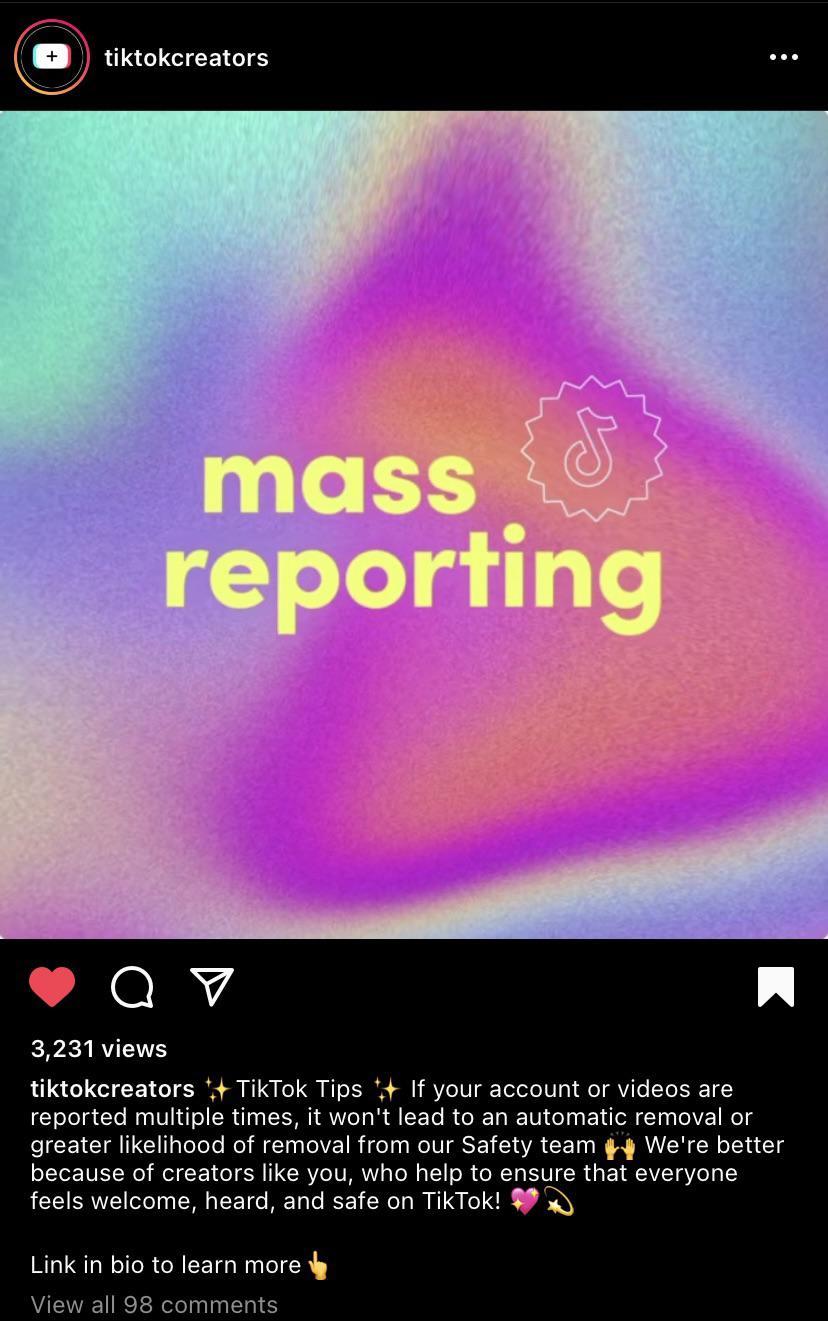
Mass reporting ⁢occurs when a large number⁢ of users flag a YouTube channel or its content as violating platform guidelines. ⁤While YouTube has systems ⁢in ​place to handle such reports,it’s vital to understand that‌ not all​ mass reporting leads to automatic ⁤bans. The platform uses automated tools and human reviewers to assess whether ⁢the reported content genuinely breaches its ⁢policies.Channels with substantial evidence of violations are more likely to face⁢ consequences, such as strikes or removal.

however, malicious mass⁣ reporting can still cause ​temporary disruptions ⁢for creators.‍ Even if the ‌reports are unfounded, abrupt spikes in flags may trigger‍ YouTube’s algorithms, leading ‌to ⁢ content takedowns ‍or ⁢channel suspension‌ pending review. ⁣Here are‍ some key factors youtube considers:

  • Severity of the alleged violation: Severe offenses,like hate ⁤speech or ​harassment,are ⁢prioritized.
  • Consistency of reports: Repeated flags​ for the same issue carry more weight.
  • Channel history: Channels with prior strikes are scrutinized more closely.
Scenario Likely Outcome
Mass reporting with valid evidence Potential channel‍ strike or ban
Mass reporting without merit Temporary disruption; restoration after review
Mixed⁣ reports with‌ partial violations Selective content removal or warning

The ‍Potential Consequences for Creators: Ban‌ Risks and False Flags

Mass reporting can be a ​double-edged sword for YouTube creators. While it helps flag genuine violations, coordinated⁢ attacks ‍can lead to unwarranted strikes ‍or even ⁣channel termination. Creators may face:

  • Sudden demonetization due to false ‌Community Guidelines​ violations.
  • Loss ⁢of visibility as YouTube’s⁢ algorithm may ⁤suppress flagged content.
  • Lengthy​ appeal processes to restore content or channel status.

False flags can disrupt a creator’s ‍momentum, ‍especially if YouTube’s⁢ automated⁤ systems act⁢ before manual reviews. Smaller channels are particularly vulnerable, lacking ​the resources to quickly ⁤resolve disputes. A single wave of⁤ reports can trigger:

Risk Impact
Temporary restrictions Uploads⁣ or ⁢live streams blocked
Ad revenue freeze Earnings⁣ halted during review
Audience‌ distrust Viewers ⁤may⁢ abandon ⁢the channel

In the dynamic world of YouTube, creators often face⁤ the ‌challenge of navigating⁢ unjust⁢ reports that can jeopardize their channels. Mass reporting—when multiple users​ flag content together—can ‌escalate quickly, potentially leading to temporary restrictions ⁣or even ​bans. While YouTube’s algorithm prioritizes⁤ community safety, it isn’t ‌foolproof ‍and may sometimes flag content incorrectly. ⁢As‌ a creator, ​it’s crucial to​ understand the mechanisms behind reporting and how ‌to safeguard⁢ your channel.

Here are some proactive steps to protect your channel:

  • monitor your content: ensure ⁤compliance⁣ with ​community guidelines ‍to minimize vulnerabilities.
  • Engage with your audience: Foster trust and reduce the likelihood of malicious​ reports.
  • Document everything: Keep ​records of your content and interactions for appeal⁤ purposes.
  • Stay informed: Regularly update yourself⁣ on YouTube’s policies to‌ adapt your strategies.
Action Impact
Consistent Moderation Reduces unwarranted reports
Clear ⁢Community Guidelines Sets⁢ expectations for viewers
Timely Appeals Increases⁢ chances of reinstatement

Proactive Strategies to Safeguard your⁤ YouTube Presence

mass reporting can⁣ indeed⁤ put your YouTube channel‍ at risk, but proactive measures can help you‍ maintain a strong presence. understanding YouTube’s policies is the first step—familiarize yourself with community guidelines to avoid unintentional violations. Additionally, fostering‍ a loyal audience can act‍ as a shield; engaged viewers are less likely ​to report content unfairly. Here are a few key strategies:

  • Monitor comments and⁤ interactions to swiftly address any disputes ⁢or ⁢misunderstandings.
  • Encourage ⁤positive engagement by responding ⁣to ‍feedback‍ and building trust with your audience.
  • Document your content ⁤decisions in case you need to appeal ‌a wrongful ‍strike.

To further protect your channel, consider diversifying your content platforms. Relying ​solely on YouTube leaves you⁤ vulnerable to sudden policy ⁢changes or reporting abuse. Below is a ​quick reference table outlining essential ‌safeguards:

Strategy Action
backup Content Upload highlights to alternative platforms like Vimeo or rumble.
Educate ‍Viewers Clarify ⁣your content’s ⁤purpose in⁣ video ‌descriptions to deter ⁤false reports.
Stay Updated Subscribe to ⁤YouTube’s policy updates⁣ to adjust your strategy proactively.

Key Takeaways

Outro:

In the ever-evolving dance‌ between creators ⁢and platforms, mass⁢ reporting remains a contentious move—one that can ⁣either be a lifeline ⁣or‌ a landmine. While it⁢ has the potential to spotlight and remove harmful⁤ content, it also carries the weight of⁢ unintended consequences, potentially silencing voices unfairly. As⁢ YouTube ‌continues to refine its algorithms and policies, the question lingers: Can mass reporting truly serve justice, or dose it⁢ risk tipping the scales toward ⁣chaos? The answer, much like the platform itself,⁣ lies somewhere in the gray.For now, users and creators alike⁣ must tread carefully, understanding that every click,⁣ every report, and every decision shapes the digital ecosystem ⁣we all share. The power of the crowd is undeniable—but wielded wisely, it⁣ might just protect the space‍ we’re all trying to preserve.

“Can Mass Reporting Really Ban a YouTube Channel?” (48 characters)

“Can Mass reporting Really Ban a‌ YouTube channel?”

YouTube’s policies‍ are strict—but can⁢ coordinated reports actually take a channel ⁣down? Some claim it’s a powerful weapon;‍ others call ​it a myth. Let’s uncover the truth ‌behind mass reporting and its real impact.
How Mass Reporting ‌Affects YouTube’s Moderation ‍system

How‌ Mass Reporting Affects⁢ YouTube’s ⁤Moderation System

Mass reporting can‍ significantly impact YouTube’s moderation system, but it⁣ doesn’t⁤ always​ lead to a ⁢channel ban. When multiple users flag a video or channel,⁣ YouTube’s algorithms prioritize the content for review. However,‍ the platform’s ‌systems⁤ are ⁤designed ​to ⁣assess the ⁤validity of these reports ⁤rather than act⁢ on them automatically. ⁤ Key factors include:

  • Whether the reported content violates ⁤YouTube’s Community guidelines.
  • The‌ consistency and credibility ​of ⁤the reports.
  • Historical data ‌about the channel’s compliance with platform rules.

While mass reporting​ can trigger a review, ⁣it’s ‍not a ⁢guaranteed⁣ way to ban a channel. YouTube’s‌ moderation team ⁤evaluates‌ the context and ⁢intent behind the content. For example, a channel with‍ a clean ‌record is less likely to face severe consequences unless the violation is clear. Below is a simplified⁤ breakdown ‍of ‌how mass reporting influences outcomes:

Scenario Likely Outcome
Reports ‍are valid and align ​with guidelines Content removed or channel ‍penalized
Reports are baseless or inconsistent No action taken
Channel ⁤has prior violations Increased ⁤scrutiny or‍ suspension

Understanding the Limits of‌ Collective Flagging on YouTube

Understanding the Limits of Collective Flagging on⁤ YouTube

Many users believe that mass reporting can instantly take down a YouTube channel, but the platformS moderation system is far more ⁢nuanced. While collective flagging ​may trigger a review,⁤ YouTube evaluates reports based ​on ​ policy violations, not just volume. channels with strong adherence​ to guidelines⁢ often survive mass⁣ flagging, as ⁤automated systems and ​human reviewers prioritize context over quantity.

  • False ⁣reports are filtered out ‍if they ⁢lack evidence.
  • Repeated violations or severe⁣ breaches (e.g., ‍hate speech) carry heavier weight.
  • Established channels with clean histories face fewer penalties​ from sudden spikes‍ in⁣ reports.

To understand how YouTube balances ​reports, consider this simplified breakdown:

Scenario Outcome
100+ reports on‍ a single video Temporary review, ⁢but no action if compliant
Pattern of violations across ‌multiple uploads Strikes or channel ⁢termination

Ultimately, YouTube’s algorithms favor consistent ⁤rule-breaking over isolated incidents. while mass reporting might temporarily disrupt a⁣ channel,‍ it⁣ rarely leads to ‌bans without legitimate cause.

Effective ​Strategies to Protect Your Channel from Unjust Bans

Mass reporting can indeed ⁢pose a ⁤threat to⁤ your YouTube ‍channel, but‌ there are proactive ⁤steps you can⁤ take to⁤ safeguard‍ your content. Frist, ensure ‍your videos ‌comply⁣ with⁤ YouTube’s Community⁢ Guidelines ⁣by avoiding controversial‌ or ⁢borderline ‍content that could be misinterpreted. Regularly review your uploads ⁣and remove any material that might attract false⁤ reports. Additionally,⁢ engage with⁢ your ​audience to build a loyal ⁢community⁤ that ​can vouch‍ for your channel’s integrity. Encourage viewers ​to ⁢report only genuine violations, not as a tool for harassment.

Another effective strategy is to document⁢ your channel’s activity meticulously. Keep‌ records ⁣of⁤ your uploads, ​comments, and interactions to⁣ provide evidence if you need to⁢ appeal ‍a ban. ​Hear’s a simple table to ‍help you‌ organize your documentation:

Activity Details Date
video ‌Upload Title,⁣ Description, ⁤Tags MM/DD/YYYY
Comments Engagement ‌Metrics MM/DD/YYYY
Reports reason, Resolution MM/DD/YYYY

By staying vigilant and organized, ​you can minimize the risk of ​unjust ⁢bans and maintain ​a thriving‌ channel.

What Creators ⁣Should Do ‍when Facing Mass Reporting Attacks

Mass reporting ‌attacks can ⁤be⁣ stressful for creators, but staying calm and taking ​strategic action ‌is​ key.⁢ Here’s ⁢what you can‍ do to protect ⁢your channel:

  • Document everything: ⁤screenshot reports, comments, and any ‌suspicious ‍activity as evidence.
  • Appeal⁢ immediately: Use YouTube’s ⁢appeal process to dispute false​ claims.
  • Engage your⁢ community: Inform trusted⁤ followers to report abuse or spam.
Action Why It Helps
Flag malicious ‍reports Alerts‌ YouTube to⁢ potential abuse
Contact ​Creator support Speeds‌ up resolution for​ verified channels

While​ mass‍ reporting can trigger ‍automated penalties,⁣ YouTube’s systems typically review context.‍ Proactive creators who maintain ⁣clean records and ​clarity ‍often recover faster.⁢ Focus ‍on preventive measures,like disabling toxic comment⁢ sections or moderating live chats,to⁢ reduce future risks.

Wrapping Up

Mass reporting’s power is real, but‌ YouTube’s ​algorithms and policies ‍hold the final say. ​Stay ⁢informed, stay vigilant.

Can Mass Reporting Shut Down a YouTube Channel?

In​ the vast, algorithm-driven⁣ expanse of YouTube, where creators⁣ carve out their niches and audiences wield the power of their clicks, a ⁢curious question looms: can the collective voice ‌of the masses—mass reporting—shut down‌ a channel? It’s a dilemma that sits at the intersection of community action, platform policy, ‌and the ever-evolving dynamics of online accountability. What happens when viewers unite to flag content they ⁤find objectionable? Is mass reporting a legitimate ‍tool for enforcing standards, or does it risk becoming a double-edged sword, capable of silencing voices⁤ both harmful and misunderstood? This ‌article dives into the complex mechanics, ethical gray areas,‍ and real-world implications of mass‍ reporting, exploring ⁤whether‍ it truly‌ has the power‍ to pull the plug ‍on a YouTube⁤ channel.
Understanding⁢ the Mechanics of⁣ Mass Reporting on YouTube

Understanding the Mechanics of Mass ⁤Reporting on YouTube

Mass reporting on YouTube occurs when multiple users flag a video or‌ channel for​ violating the ​platform’s community guidelines. While this tactic ‌can temporarily disrupt ‌a channel’s operations,⁢ it ⁢doesn’t always lead to permanent shutdowns. youtube’s algorithm and human moderators play a crucial role in determining ‍the validity of reports. If the flagged content is found⁢ to comply with guidelines, no action ⁣is ⁣taken, and the channel remains unaffected.Though, repeated violations, even if falsely reported, can still lead to scrutiny, as the platform prioritizes maintaining community standards.

Here’s a breakdown of how mass reporting impacts a YouTube channel:

  • Temporary⁢ Restrictions: Channels may face temporary suspensions or video removals during investigations.
  • Algorithmic ⁣Impact: ‍High report volumes can trigger automated penalties, like demonetization or reduced visibility.
  • Appeal Process: Creators can appeal decisions, but the process can ​be ‌time-consuming and resource-intensive.
Scenario Outcome
Valid‌ Reports Channel penalties⁤ or ⁣shutdown
False Reports No action, possible countermeasures
Repeated Mass‌ Reporting Increased scrutiny, potential strikes

The Impact of ⁢Mass Reporting on Channel Viability ​and Content Creators

The⁤ Impact of Mass reporting on ​Channel ‌Viability and Content Creators

Mass‌ reporting has emerged as a ⁤contentious issue in the digital content landscape, raising questions about its potential to disrupt the ‌viability of ⁢YouTube channels. Coordinated reporting campaigns can trigger ⁣algorithmic⁢ flags, ⁣possibly leading to temporary restrictions,‍ demonetization, or even ⁤channel termination. While‍ YouTube’s ‍community guidelines ‌are designed to filter harmful ⁢content, the platform’s reliance on automated systems ‌makes it vulnerable to misuse. Content creators often find themselves caught in a crossfire, where legitimate channels ‌ may be penalized ⁣due to malicious intent or misunderstandings.

To ​better understand the nuances, let’s examine some key ‍factors that influence the⁢ impact of mass ⁢reporting:

  • Volume of Reports: A sudden​ surge in reports can escalate scrutiny ⁢from YouTube’s moderation systems.
  • Content ⁤Type: ⁤ Controversial or sensitive ⁣topics ⁢are more‍ likely to⁣ attract targeted reporting.
  • Creator​ Reputation: ​Established channels may withstand reports better due ⁤to‍ their track record of ‌compliance.
factor Potential‌ Outcome
High Report Volume Temporary suspension ⁢or demonetization
Sensitive ⁣Content increased risk of policy​ violations
Creator History Faster resolution or higher appeal ⁣success

How ⁢YouTube’s Policies Address and Evaluate Mass Reporting‍ Claims

YouTube’s approach​ to ⁢mass reporting is designed to⁣ ensure fairness while preventing⁣ abuse of its reporting system.When a⁣ channel​ receives a significant number of reports‌ in a⁢ short span, YouTube’s algorithms flag the issue ‍for review. Key aspects⁢ of this process include:

  • Automated⁣ Detection: Algorithms ⁤analyze patterns to distinguish between legitimate ⁣concerns and⁣ targeted harassment.
  • Human Review: flagged content is assessed by trained reviewers to determine policy violations.
  • Transparency: Channel‍ owners are notified​ of violations and given the prospect to appeal.
Policy Focus Action Taken
Community ⁢Guidelines‍ Violations Strikes, temporary suspensions, ⁢or removals.
False⁤ Reporting Review ⁣of ​reporter accounts ​for⁤ potential abuse.

While ⁣mass reporting can trigger investigations, it doesn’t guarantee a ‌channel’s shutdown. YouTube evaluates the context and intent behind reports, ensuring decisions are ⁣based on policy adherence rather than⁤ sheer volume. Channels with consistent violations face stricter penalties, but those adhering to guidelines are ‍unlikely to be unfairly penalized. This balanced approach aims to protect both creators and the community.

Strategies for Creators to Protect Their Channels from Unjust Mass Reporting

Mass reporting can indeed pose a significant threat to a YouTube channel, especially if it is targeted by malicious actors seeking to exploit the platform’s reporting ⁤mechanisms.To safeguard your channel, it’s crucial‍ to ⁢implement proactive strategies that minimize vulnerabilities and ensure compliance:

  • Maintain clear community guidelines: ‌ Ensure your content adheres to‌ YouTube’s policies to reduce the ‌risk of reports‌ being⁢ deemed valid.
  • Engage with your audience: Foster ‍a loyal community⁢ that can rally behind you if false reports arise.
  • Monitor‌ analytics: Keep‌ an eye on sudden spikes in reports‌ or⁣ unusual activity that could indicate targeted harassment.
Strategy Benefit
Document content‍ decisions Provides⁣ evidence ‌to dispute false claims
Enable comment moderation Reduces the risk of triggering reports from comments
Report abuse of the system Helps YouTube identify and address ‍malicious⁣ behavior

By staying ‌vigilant and implementing these strategies, creators can significantly reduce the likelihood of their channels being ⁤unfairly impacted by mass reporting. Remember, consistency and transparency are your ⁣best allies in maintaining a strong, resilient presence‍ on the⁣ platform.

concluding Remarks

Outro: The Power of the Crowd—Handle with Care

In the vast digital ⁢arena​ of youtube,mass reporting is a‌ double-edged sword—a tool that can either ‌protect ⁤or punish,depending on who wields ​it⁢ and why. While it has the potential to hold ⁣creators accountable⁢ for harmful content,‌ it also ⁤raises ⁤questions⁢ about fairness, intent, and the fine line between ‌vigilance and abuse. ‍

As viewers, we ⁣hold⁣ a collective duty to use this power thoughtfully.‌ Reporting⁢ should be driven by ⁣genuine concern,not personal⁢ vendettas or fleeting ​outrage. After all,⁤ the fate of a channel—and the livelihoods ‍tied ‌to it—can hang in the ‍balance.

So, the next time you consider hitting that report button, pause and⁤ reflect. Is it‍ a stand ⁢for ‍justice, or a step into the gray? In ​the​ ever-evolving world of online ‍content, the crowd’s voice is loud—but it’s up to us⁤ to ensure it’s also wise.