When the Camera Stops Rolling: Burnout Among U.S. YouTubers

In the⁣ shimmering world of YouTube, where creativity meets clicks and subscribers equate to success, the​ spotlight rarely ⁢dims. Millions⁣ tune in daily to watch their favorite creators ⁤entertain, educate, and inspire. ⁢yet behind the​ polished thumbnails, witty monologues, and perfectly timed edits lies a narrative less often‍ told—one of exhaustion, pressure, and burnout. As the​ platform grows increasingly competitive and demands escalate, many U.S.YouTubers find themselves‌ grappling with the toll of⁤ perpetual performance. ‌What happens when the camera stops rolling? This article delves into the unseen struggles of content creators, exploring the challenges that emerge when passion collides​ with‌ the unrelenting pace of the digital age.

The Hidden Toll ⁣of Endless‍ Content Creation

Behind the polished videos, catchy thumbnails, and curated personas lies a relentless ⁤grind that few viewers see. Many U.S. YouTubers face chronic exhaustion, as the pressure to consistently produce content takes a toll on their mental and physical ⁣health. The algorithm’s insatiable demand for engagement⁣ leaves creators trapped in a cycle of constant ‌innovation,where taking a break can mean losing relevance. ⁣Stories of sleepless nights, anxiety, and burnout are increasingly common,​ yet frequently enough hidden behind the⁢ facade of their online presence.

Key challenges YouTubers face include:

  • Fear⁢ of falling behind ⁣in a hyper-competitive space
  • Pressure ⁣to monetize every aspect of their lives
  • Difficulty separating personal life from public content
Common Burnout ‌Signs Potential⁤ Solutions
Chronic fatigue Set strict filming ‌schedules
Loss of creativity Take‍ regular digital detoxes
Declining audience interaction focus⁤ on quality over quantity

Behind the Scenes of Overwhelm and Exhaustion

In the⁣ glittering‌ world of YouTube, ⁣where every ​video is a polished ⁣masterpiece, the reality behind the screen is often far less glamorous. Creators ⁤pour hours into scripting, ‍filming, and editing, only ‌to face the crushing pressure of‌ algorithms, audience ⁤expectations, ⁢and the relentless grind of content creation. Behind the curtain, burnout ⁢looms large, manifesting in sleepless nights, creative ‌blocks, and the gnawing fear‍ of falling behind. Many YouTubers find themselves trapped in‍ a cycle of:

  • Endless deadlines – the race to upload consistently while maintaining quality.
  • emotional labor – crafting personas that resonate with viewers while suppressing personal ​struggles.
  • Financial strain ⁣ – relying on unpredictable ad ‌revenue and sponsorships to make ends meet.
Aspect Impact
Mental Health Anxiety, depression, and isolation.
Creativity Stifled​ innovation⁤ due to burnout​ and fatigue.
Work-Life Balance Blurred ‍boundaries leading to perpetual ⁢exhaustion.

for many creators, the‌ desire to inspire and entertain becomes ​a double-edged sword. ‌the passion that once fueled their channels can turn into a source of ⁢mental and physical drain.Behind⁣ the camera, they grapple with the loneliness⁢ of self-employment, the weight of maintaining‍ authenticity, ​and the guilt of taking breaks.⁤ The pressure to‍ perform frequently enough overshadows the joy of creation, leaving many feeling like they’re on a treadmill with no off switch. The question becomes not just how‌ to succeed, but how to survive in an industry that ‍thrives on constant output.

Strategies for Sustaining Creativity Without Sacrificing Well-Being

In the fast-paced world of content creation, maintaining creativity⁤ while preserving mental health is a delicate balance. YouTubers often ​face immense pressure to consistently produce engaging content, which can lead to burnout if not⁣ managed effectively.Here are some‍ actionable strategies:

  • Set Boundaries: Establish clear work hours to avoid the trap of being “always on.”
  • Diversify ⁢Content: Experiment ⁤with new formats to keep the creative process fresh and exciting.
  • Take Breaks: Incorporate regular pauses to recharge and gain new ⁤perspectives.

Another critical aspect is recognizing the signs of burnout early. Common indicators include:

Sign Solution
Loss of Motivation Reconnect with your passion by revisiting why⁤ you started.
Chronic Fatigue Prioritize sleep and physical ​activity ‍to boost energy levels.
Creative ⁤Block Engage in non-content-related hobbies to stimulate new ideas.

Building a Healthier‌ Relationship with ⁢YouTube Success

Behind the​ glitz and glamour of viral videos ‍and skyrocketing subscriber counts ⁣lies a growing ⁤concern: burnout. Many U.S. ‌youtubers find themselves trapped in ‌a cycle of endless content creation, struggling to balance personal well-being with ​the relentless demands of their audience ⁣and algorithms. The​ pressure to maintain⁤ consistency, innovate,‌ and stay relevant often‍ leads to physical exhaustion, mental fatigue, and even identity crises.

to ‍build a healthier relationship with their ‍craft, creators are ⁤adopting strategies to prioritize ⁤self-care and lasting growth. Here are some approaches gaining traction:

  • Setting boundaries: Defining clear work hours⁣ and limiting screen time to avoid overextension.
  • Diversifying Revenue Streams: Reducing dependency on YouTube ad revenue through sponsorships, merchandise, or Patreon.
  • engaging in ‌Community: Seeking support from fellow creators ‌to share struggles and solutions.
Challenge Solution
Algorithm Anxiety Focusing ⁣on ⁢authentic content over chasing trends
Creative Block Taking ⁤scheduled breaks to recharge inspiration
audience Pressure Communicating openly ​about personal limits

Concluding‍ Remarks

Outro:

The camera‍ stops rolling, the screen fades to black—but behind the scenes, the grind ‌never truly ends.For YouTubers, burnout isn’t just ⁢a plot twist;⁤ it’s an unscripted reality, lurking between uploads ‌and algorithm anxieties. ⁣Yet, in acknowledging the struggle, there’s room for change—better ⁤boundaries, ‌sustainable creativity, and a community ⁢that remembers ‌the person ​behind the persona. After all, ‍the best stories aren’t just about views; they’re about vitality. So here’s to hitting pause, taking‌ a‍ breath, and maybe—just maybe—rewriting the script.

[End scene.]
Can YouTube Videos Trigger PTSD? Exploring the Impact

In⁤ the age of endless scrolling and instant access to content, YouTube has become a digital⁤ stage‍ where the ‍world’s stories unfold—both the uplifting and the harrowing.From heartwarming tales to graphic footage of real-world events, the platform offers a window into experiences that ‌can evoke a spectrum of emotions. But what happens when that window becomes ‍a mirror, reflecting trauma so vividly that it leaves a lasting ‌mark? Can watching YouTube ‍videos, with their ⁤unfiltered depictions of​ violence, disaster, or personal suffering, trigger symptoms of post-traumatic stress disorder (PTSD)? This question lies at the intersection of modern media consumption and mental health, inviting ⁤us to explore the profound, and often overlooked, impact of what we choose to watch. In⁢ this article, we delve into the science, the stories, and the ethical considerations surrounding this complex issue, shedding light on how digital content can shape our psychological well-being in ways we might not expect.
The Psychological Risks of Graphic Content on youtube

The Psychological Risks of Graphic ⁢Content on youtube

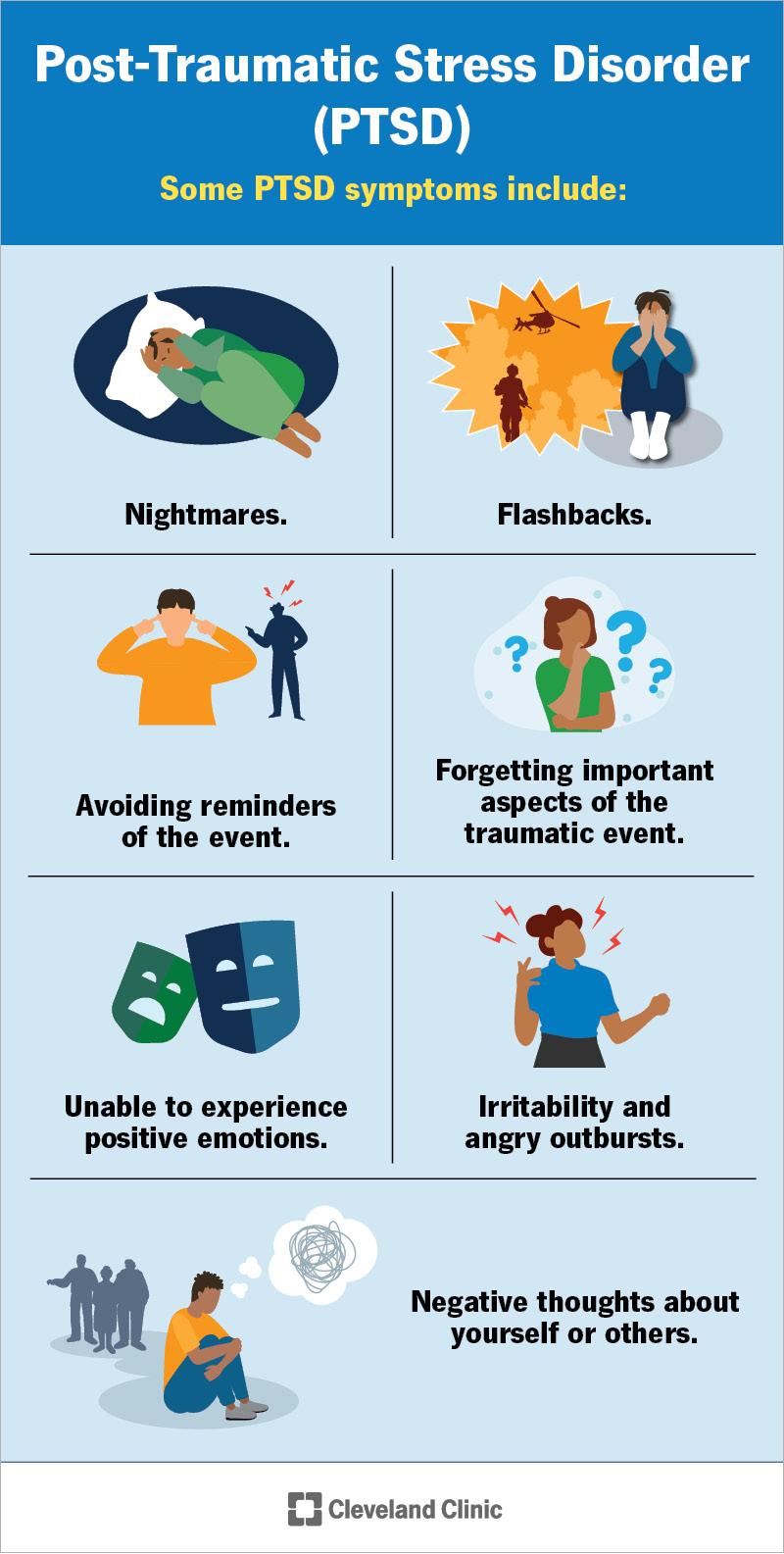
In the⁤ digital age, YouTube‍ serves as a vast repository of content, ranging from⁣ educational tutorials to graphic videos depicting real-world violence or traumatic events. While the platform can be‍ a source of knowledge and entertainment, exposure ‍to distressing material may​ lead to psychological distress, particularly for ‍vulnerable viewers.‍ Research suggests ‌that ‌repeated ⁤exposure to graphic content can result in symptoms like intrusive thoughts, ⁢ hypervigilance, and emotional numbness, which are‌ often associated with post-traumatic stress disorder (PTSD).

Certain factors amplify these ‍risks:

  • unpredictability: Viewers may encounter disturbing content unexpectedly, leaving them⁢ unprepared to process what they see.
  • Lack of Context: Videos without proper ‍warnings or explanations can ‌intensify feelings of confusion and fear.
  • Algorithmic Exposure: The platform’s algorithm may recommend similar content, increasing the likelihood of repeated exposure.
Risk Factor Impact
Graphic Violence May cause heightened anxiety and fear responses.
Disturbing Imagery Can lead to sleep disturbances and flashbacks.
Lack of Warnings Increases shock and emotional distress.

While YouTube has implemented measures like content warnings and age restrictions, these safeguards are not foolproof. For individuals with a ‍history of trauma or heightened‍ sensitivity, even brief exposure to graphic videos can ​have lasting psychological‍ consequences. Addressing these risks requires a combination of platform accountability, user education, and mental health awareness.

Understanding PTSD Triggers in⁤ Digital Media

Understanding PTSD Triggers in Digital Media

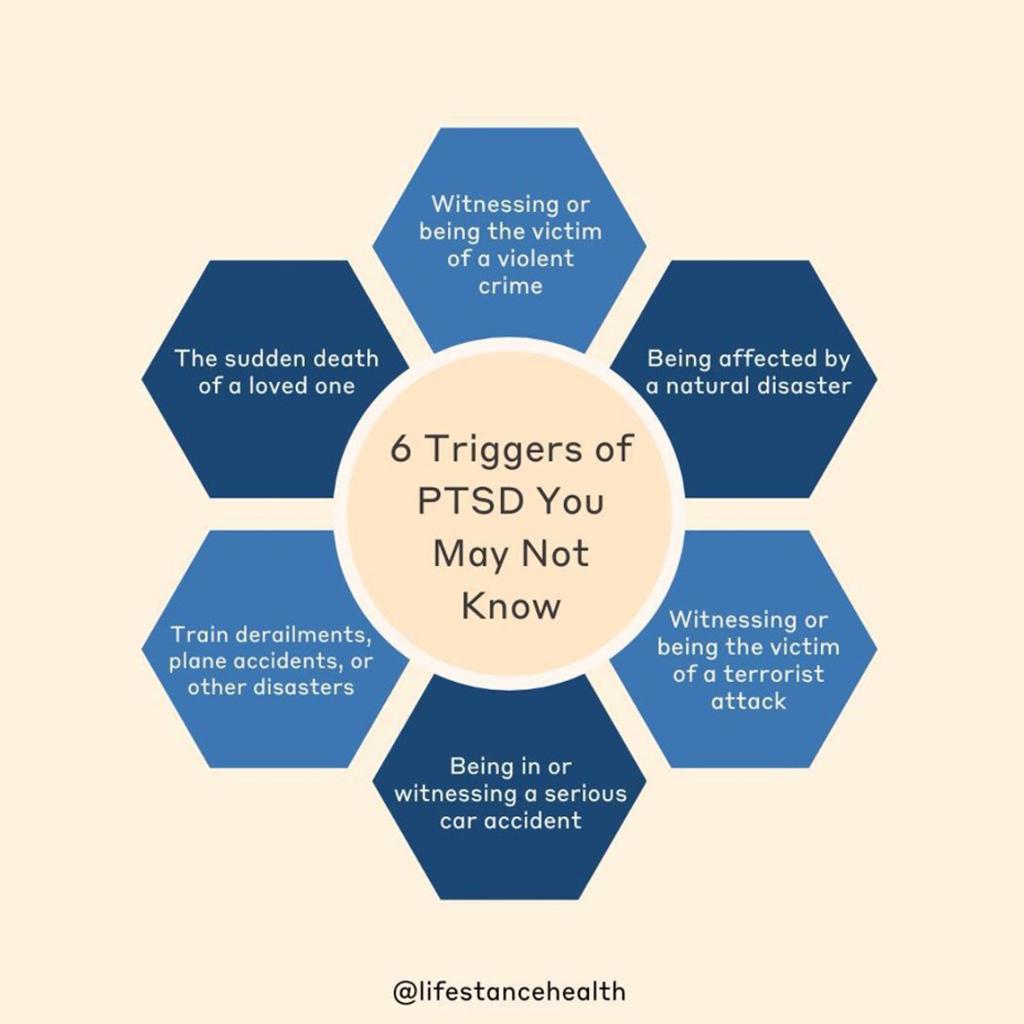
In today’s digital age,YouTube has become a vast ⁤repository of content,ranging from educational⁢ videos to‍ personal vlogs. However, for individuals with PTSD, certain types of videos can inadvertently act as triggers. Visual and auditory cues in videos, ⁤such as loud noises, violent imagery, or even specific phrases, can evoke⁣ intense emotional responses. These triggers are often unpredictable, as they may be embedded in seemingly harmless content. For example, a documentary‌ about war or a news clip featuring a⁤ traumatic event can unexpectedly bring back distressing memories.

Understanding how digital media impacts mental health is crucial. Below is a table highlighting common types of YouTube content that may trigger PTSD⁢ and the associated emotional​ responses:

Content Type Potential ​Trigger Emotional ‌Response
News Reports Graphic imagery, distressing events Anxiety, fear
War Documentaries Combat scenes, explosions Flashbacks, panic
Personal Vlogs Emotional storytelling Sadness, emotional distress

To mitigate these risks, individuals can take proactive steps such as:

  • Curating their watch history to avoid known triggers.
  • Using content⁤ warnings or filters to ‍screen videos.
  • Seeking professional guidance to develop coping mechanisms.

How Video Algorithms Influence Mental Health Exposure

In the digital age, video-sharing platforms like YouTube ‌utilize sophisticated algorithms to curate content tailored to individual preferences.While this enhances user experience,it can also⁢ inadvertently expose viewers to distressing material,possibly triggering PTSD ​ or other⁣ mental health issues. The⁢ algorithm’s tendency to suggest content based on previous interactions can create a feedback loop, where users are repeatedly ‍served videos⁤ that may evoke negative emotions or traumatic memories. as ​a notable example, someone searching for coping mechanisms might⁤ be shown⁤ distressing news clips or graphic personal stories, heightening anxiety rather than alleviating it.

Research suggests that prolonged ‍exposure to such⁢ content can exacerbate symptoms of mental ‌health disorders, including anxiety, depression, and ‍PTSD. Below is a table highlighting⁤ common ‌triggers and their potential impact:

Trigger Potential ⁣Impact
Graphic Content Recalling traumatic events, increased anxiety
Negative News Heightened stress, feelings of helplessness
Personal ‍Stories Empathy fatigue, emotional overwhelm

To mitigate these risks, users can take⁣ proactive steps such as:

  • Customizing recommendations by adjusting watch⁤ history or feedback preferences.
  • Utilizing⁢ browser extensions or tools that filter out potentially harmful content.
  • Seeking professional guidance ⁤if exposure to triggering material becomes overwhelming.

Strategies for Managing Viewing Habits to Protect Mental Well-Being

In today’s digital age, YouTube has become a go-to platform for entertainment, education, and even emotional support. However, certain content, such as⁢ graphic news footage, violent scenes, or personal trauma ⁣stories, can inadvertently trigger PTSD or exacerbate existing mental health⁣ challenges. To safeguard your mental well-being, it’s essential to⁤ adopt mindful viewing habits. Here are some ⁣strategies to consider:

  • Curate Your Feed: Use ​YouTube’s “Not Interested” and “don’t Recommend⁢ Channel” features to filter out potentially distressing content.
  • Set Time Limits: Allocate specific times for watching videos to avoid overexposure and emotional fatigue.
  • Engage in Positive Content: Subscribe to ​channels that promote positivity,relaxation,or personal growth to balance your viewing experience.

Additionally,understanding your triggers and being proactive can ‍make a meaningful difference. As a notable ⁢example, if you’re sensitive to certain topics, consider​ using ⁢tools like YouTube’s Restricted Mode to filter out mature content. Below is a simple guide to help you manage your⁢ viewing habits effectively:

Strategy Action
Content Filtering Use YouTube’s built-in tools to block unwanted content.
Mindful Watching Pause and reflect on how a video makes you feel before continuing.
seek Support Reach out to ⁣a mental health professional if certain content affects ⁣you deeply.

in Retrospect

Outro: Navigating the Digital ⁤Echoes of Trauma

as we scroll through the endless stream of YouTube videos, it’s easy to forget‍ the profound impact they can​ have on our minds and emotions. The question⁢ of whether YouTube videos can trigger PTSD is not just a theoretical one—it’s a reflection of how deeply intertwined our digital lives are with our mental health. While the platform offers a space for connection, education, and creativity, it also holds the potential to inadvertently reopen old wounds or amplify‍ distress.

this exploration ⁤isn’t meant to demonize technology but to encourage mindfulness in how we engage with it. For creators, it’s a call⁢ to consider the ⁢weight of their content. For viewers, it’s an invitation to curate their digital spaces with care. And for those who find themselves unexpectedly triggered, it’s a reminder that​ seeking support is a sign of strength, not weakness.

In a world ⁣where screens are our windows to the world, let’s strive to make those windows a source of light, not shadows. The power of YouTube lies not just in what it shows us, but in how we choose to respond.