Why Does YouTube Hog So Much Memory? The Storage Mystery

In the vast digital universe, YouTube reigns as the undisputed king of video streaming, serving up millions of hours of content to billions of users ‍every day. Yet, for⁤ all its convenience​ and entertainment, there’s a question that nags at many of​ us, whispered in frustration as our devices groan under the weight of its presence: Why does YouTube hog so much memory?⁣ It’s a⁤ mystery that hides in plain sight, lurking beneath‍ the glossy surface of‌ endless playlists ⁤and autoplay queues. From caching strategies to hidden processes, the platform’s insatiable appetite ‌for storage is both ‍a technical marvel and a user’s puzzle. join us‌ as ⁤we unravel‍ the layers of‌ this storage conundrum, exploring why YouTube,​ for all its brilliance, ⁤can sometimes feel like a digital hoarder.
The Memory Drain: What Makes YouTube a Resource Heavy Platform

The Memory ⁢Drain: What ‌makes YouTube a ‍Resource Heavy Platform

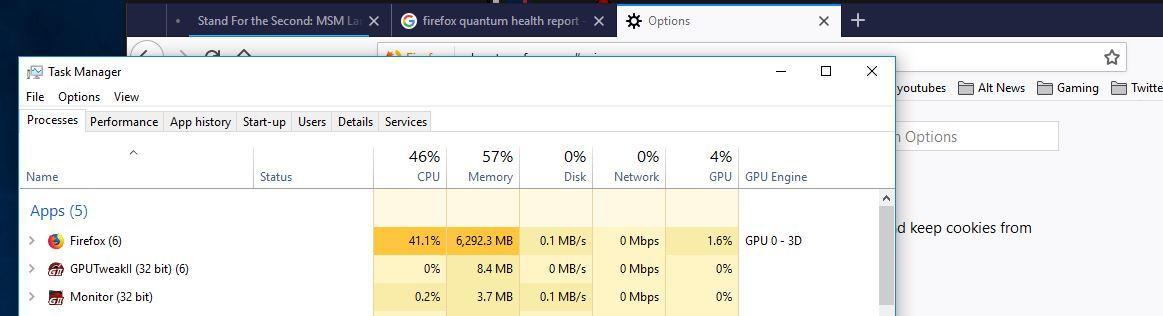
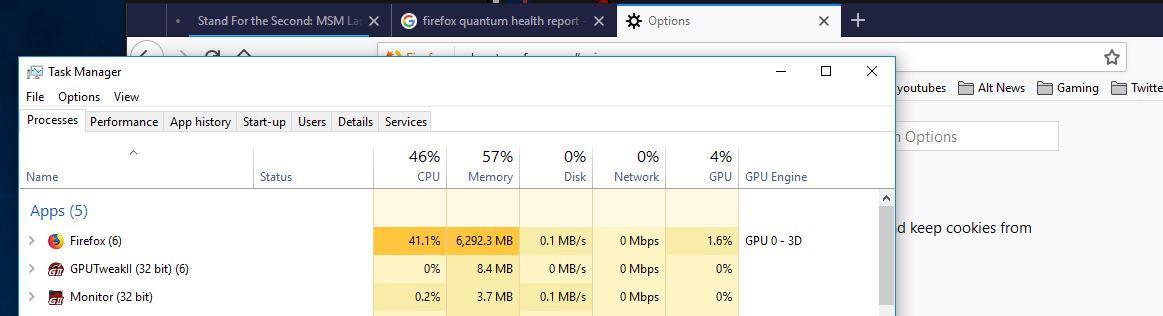
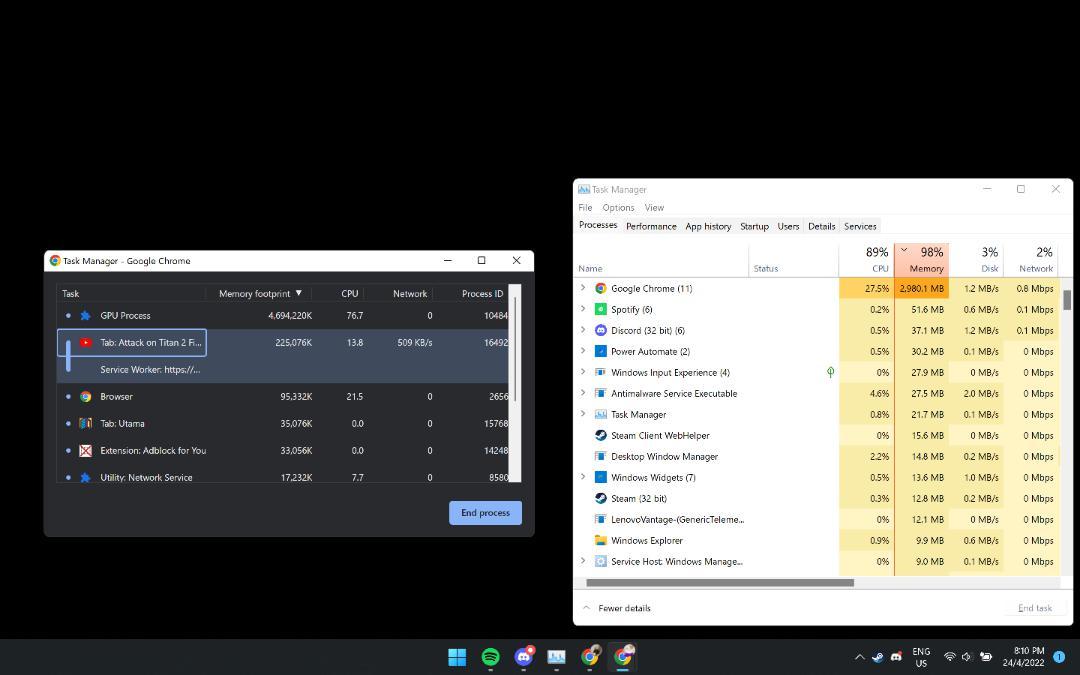
YouTube’s ⁤memory-hogging⁣ behavior is ⁢often rooted in its complex architecture and feature-rich environment.The ‍platform is designed to​ deliver high-quality⁣ video streaming, which requires​ important resources⁢ to ensure smooth⁢ playback.Behind the scenes, YouTube processes vast amounts of data, from video compression ​algorithms to real-time analytics,⁢ all of which consume memory.⁤ Additionally, the ​autoplay feature and preloading of videos to minimize buffering further strain system ‍resources, especially on devices with limited RAM.

Here are‌ some key factors contributing to YouTube’s​ heavy memory⁢ usage:

  • High-Resolution Video Streaming: 4K and 1080p videos demand more ‍processing power and memory to render.
  • Background Processes: Ads, tracking scripts, and user analytics run continuously, even when the video ⁣is paused.
  • Browser Extensions: Add-ons like ad blockers or video enhancers can inadvertently increase memory consumption.
Feature Memory Impact
Video Quality Higher resolution ⁣= More memory usage
Autoplay Preloads next ​video, increasing RAM usage
Advertisements Additional scripts and ⁤media files load in the background

behind the Scenes: ​How YouTube’s Features Impact Your Device’s Performance

Behind the Scenes: How YouTube’s Features ‍Impact Your Device’s Performance

Have you ever wondered why YouTube seems to ​consume so much memory on your device? The answer lies in its complex ecosystem of features designed to enhance your viewing experience.High-definition video streaming, for instance, requires significant processing power and memory to render visuals smoothly. Additionally, YouTube’s autoplay functionality preloads videos ⁢in⁤ the background, ensuring seamless transitions but at the​ cost⁢ of increased memory usage. Add to that the platform’s advertising algorithms, which load multiple ad ⁤formats​ concurrently, and it’s no surprise your device ⁣feels the strain.

Below is a breakdown of some key YouTube ⁢features and their memory usage impact:

Feature Memory Impact
HD/4K Video High
Autoplay Preloading Medium
Advertisements High
Interactive Elements (e.g., comments) Low

To optimize performance, consider‌ lowering video quality or disabling autoplay in settings. ⁢While these tweaks may slightly alter your experience, they can significantly lighten the load on‌ your device’s memory.

Optimizing Storage: Practical Tips to Reduce ​youtube’s Memory Usage

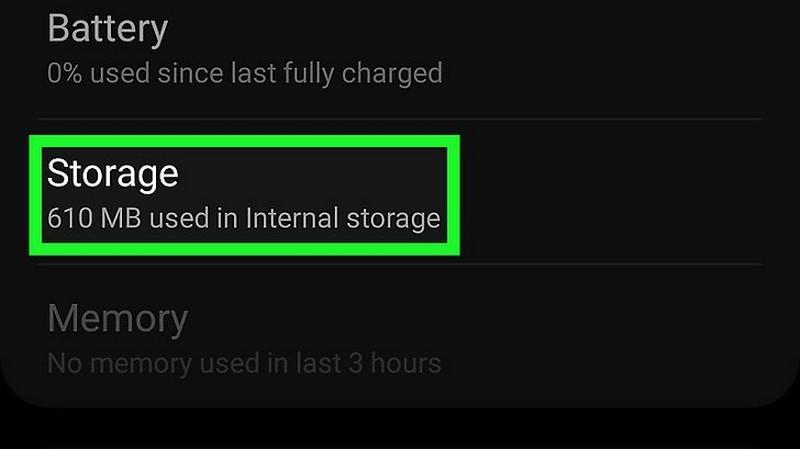
YouTube’s memory consumption can often feel like a black hole on your device, especially if you’re a frequent user. One of the main culprits is the platform’s caching mechanism, which stores temporary data ​to speed up video⁤ loading and improve your viewing experience. However, over time, this cached data accumulates, taking up significant storage space. Additionally, ⁤ high-resolution videos and background processes like autoplay ⁣and preloading further drain ⁢your device’s memory. Understanding these factors is the first step toward regaining control over your⁣ storage.

Here are some actionable tips to minimize ⁣YouTube’s⁣ memory footprint:

  • Clear Cache Regularly: ‌ manually delete cached data from the app settings​ to free up⁣ space.
  • Adjust Video Quality: Lower the default resolution to reduce the amount of data stored during⁤ playback.
  • Disable autoplay: Prevent videos from preloading by turning⁤ off autoplay in‍ the⁣ settings.
  • Limit Background Activity: Restrict YouTube from running in the‌ background to save both memory ⁤and battery ⁤life.
Action Benefit
Clear Cache Frees up immediate storage
Lower Video Quality Reduces data ⁣usage and storage
Disable Autoplay prevents unnecessary preloading
Restrict Background Activity Improves device performance

Future Fixes:⁢ How⁣ YouTube Could Evolve to Be Less Demanding on Hardware

youtube’s resource-heavy nature often leaves users ⁤wondering why their devices struggle to keep up. While the platform’s advanced features—like 4K ​video streaming,autoplay,and dynamic ad integration—are undeniably impressive,they come at a cost.Optimization could be the key to reducing the strain on hardware without compromising the user experience. As an example, introducing adaptive streaming algorithms ​that adjust video quality based on available resources could significantly ease the burden‌ on memory and processing power. Additionally, caching mechanisms could be refined to prioritize frequently accessed data while minimizing ⁢redundant loads.

Here are some potential ⁤improvements that could⁤ make YouTube less demanding:

  • Lightweight Player Options: A‌ stripped-down video player for low-end devices could ⁤reduce memory usage without sacrificing functionality.
  • Background Process Optimization: ⁤Limiting‌ background activities, such as preloading videos‌ or ads,‌ could free up resources for smoother performance.
  • Efficient Ad Delivery: Streamlining how ads are ‍delivered and displayed could lessen the impact on hardware, especially for older devices.
Feature Current Impact Proposed Fix
video‌ Quality High memory usage for 4K/HD​ streams adaptive quality⁢ adjustments
Ad Integration Excessive resource consumption Streamlined ad delivery system
Background Processes Continuous preloading⁣ of content Dynamic‌ resource allocation

In retrospect

in the ever-expanding digital landscape, where bytes dance and pixels ‌swirl,​ YouTube remains‌ a colossal enigma—a platform that‌ feeds ‍our curiosity while quietly consuming our storage.Its⁤ memory-hogging ways might feel like a modern-day mystery, but perhaps it’s simply the price‌ we pay for endless content at our fingertips. As we navigate this pixelated⁤ labyrinth, it’s ‌worth pondering: is YouTube a glutton for storage,‍ or is it merely reflecting our insatiable appetite for more? The answer, much like a buffering⁣ video, lies‌ just out of reach—tantalizingly close, yet requiring a bit more patience to uncover. Until then,keep your‌ devices clean,your ​cache ⁣cleared,and your curiosity alive. After all,in the world of YouTube,the⁤ mystery is part of the magic.

Taming YouTube: Reducing Memory Usage Smoothly

In the digital age,‌ YouTube has become a⁢ staple of entertainment, education, and inspiration, offering a seemingly endless stream of content at our⁢ fingertips.Yet, as ​much as it⁣ enriches our lives, it can​ also be a silent drain on our device’s⁢ resources, particularly memory. For those who juggle multiple⁢ tabs or rely on older⁣ hardware, YouTube’s resource appetite can turn ‌smooth streaming⁢ into ⁢a frustrating battle with lag and⁤ crashes. Enter the art ‍of taming YouTube—not by⁣ abandoning‌ it, but by optimizing its performance to fit ⁢seamlessly into your digital routine. This article delves into practical,user-amiable strategies ​to reduce memory usage while keeping your viewing experience smooth and enjoyable. Whether you’re​ a casual watcher or a power user, these tips ⁣will help you reclaim control over your device’s performance without sacrificing ‍your favorite ​videos.
Understanding ​YouTube's Memory Consumption Patterns

Understanding YouTube’s Memory Consumption Patterns

YouTube, a powerhouse of video content, frequently enough⁤ consumes critically important ‍memory⁢ resources, which⁢ can slow down​ your device.​ Understanding its memory usage patterns is⁣ key to optimizing performance.⁤ Several factors contribute to this high‌ memory consumption:

  • High-resolution⁤ video playback ‍requires substantial⁣ processing power.
  • Background processes and extensions can add to the load.
  • Advertisements⁤ and autoplay features strain system​ resources.

By identifying these patterns, you can‌ take targeted ⁢actions ​to reduce ‌memory usage ⁢without⁤ compromising your ⁣viewing⁢ experience.

To tackle memory⁤ issues effectively, consider⁢ implementing these strategies:

Strategy Effect
Limit tab usage Reduces background‍ processes
Disable ‍autoplay Prevents unneeded video loading
Use ​ad blockers Decreases memory-intensive ads

These adjustments not⁣ only‍ enhance⁣ performance but also ensure ⁢a smoother ​and more efficient​ YouTube experience.

Optimizing‌ Browser Settings⁢ for Efficient Performance

Optimizing Browser Settings for Efficient ⁤Performance

If you’re tired of YouTube hogging your system resources, tweaking your browser settings⁢ can make a world of difference. Start by disabling hardware acceleration in your⁤ browser. ‌While ‌this feature is​ designed‌ to improve performance, it can frequently enough cause memory spikes, especially on resource-heavy platforms like YouTube. Next, consider limiting‌ the ‌number of open tabs. Each YouTube video consumes ​a significant ‍amount of memory, so keeping multiple videos open together can slow down your browser. Additionally, using ⁤ browser extensions like The Great Suspender can ⁢automatically suspend ​inactive tabs, freeing​ up memory for smoother playback.

Another effective strategy is to adjust YouTube’s default playback settings. ⁣By ⁣default,youtube streams videos ‌in ⁣the‌ highest available resolution,which can strain your⁣ system.Manually ‌ lowering the video quality to 720p or 480p can reduce memory usage ⁢without compromising your viewing ‌experience. For a more automated approach, install extensions like Auto Quality‍ for YouTube to set ​your preferred resolution globally. Below is a quick reference table for optimizing‍ your browser settings:

Setting Action
Hardware Acceleration Disable in browser settings
Open Tabs Limit to ⁢essential tabs
Video Quality Set to‍ 720p or 480p

Leveraging Extensions and Tools to Minimize⁢ Resource Usage

YouTube can be a notorious resource hog, but with the right⁣ extensions ‍and ‌tools, you can significantly reduce its memory footprint. Browser extensions like ‌ YouTube Tuner or Enhancer ⁢for YouTube allow you to tweak video quality, disable autoplay, and even block ads, ⁣all ⁣of which contribute to lower memory usage. Additionally, lightweight video players like FreeTube ​or YouTube-DL GUI offer an option to the browser,⁢ bypassing unnecessary scripts and plugins ⁢that drain resources.These tools not only streamline your YouTube⁤ experience but also keep your‌ system running smoothly.

For WordPress ⁢users,integrating these extensions can be seamlessly managed through plugins that optimize⁤ browser behavior. Here’s a​ quick overview of some useful tools:

Tool Function Memory Impact
YouTube Tuner Adjust video quality Low
Enhancer for YouTube Disable autoplay, ​block ads Moderate
FreeTube Lightweight video playback Very Low

Pairing these tools with browser settings‌ adjustments, such as limiting the number of active ⁢tabs or ⁤clearing cache regularly, ensures‍ an even more efficient​ YouTube experience. ⁣By leveraging these solutions, you can enjoy your favorite content without compromising your system’s performance.

Implementing Best Practices for Long-Term Memory⁣ Management

Managing memory usage while streaming or watching content on ⁣YouTube ⁢can significantly enhance ⁣your device’s performance and ensure ‌a smoother experience. Start​ by adjusting⁣ video quality settings to‍ lower resolutions, which not only reduces memory⁤ consumption but ⁣also minimizes buffering. Additionally, consider using browser extensions like “Auto HD/4K for YouTube” to automate⁣ this process. closing unnecessary tabs and applications can free up RAM, allowing ⁣YouTube ‌to run more efficiently.For those using mobile devices, enabling data saver mode in the YouTube app can help conserve ‌both memory and data.

Action Benefit
Lower video ⁣Quality Reduces memory and bandwidth⁣ usage
Use Browser Extensions Automates quality adjustments
Close Unnecessary Tabs Frees⁣ up system resources

Another effective strategy is to disable hardware acceleration in your browser settings, as ‍this feature can sometimes cause memory spikes.⁤ Regularly clearing your browser’s cache and ⁣cookies can also prevent memory bloat‌ from accumulating ​over time. For developers or power users, integrating lazy loading techniques for embedded YouTube ‌videos ⁤can optimize page load ⁢times and reduce ⁤memory overhead.By adopting these⁤ practices, you can enjoy‌ uninterrupted YouTube sessions without ⁣straining your device’s ​memory resources.

Wrapping ‌Up

As we wrap up this exploration into taming YouTube’s memory appetite, it’s clear that small tweaks can lead to smoother sailing. Whether you’re a⁣ casual viewer or​ a marathon streamer, optimizing your browser’s performance doesn’t have to feel like a ⁣tech‍ labyrinth. Empowerment lies in simplicity: extensions, settings adjustments, and‍ mindful habits can free‍ up resources without sacrificing your​ viewing experience. So,the next time⁣ YouTube starts to hog your memory,remember—you hold the reins. Stream smarter, not harder, and ‌let your browser breathe easy. Happy watching! 🎥✨