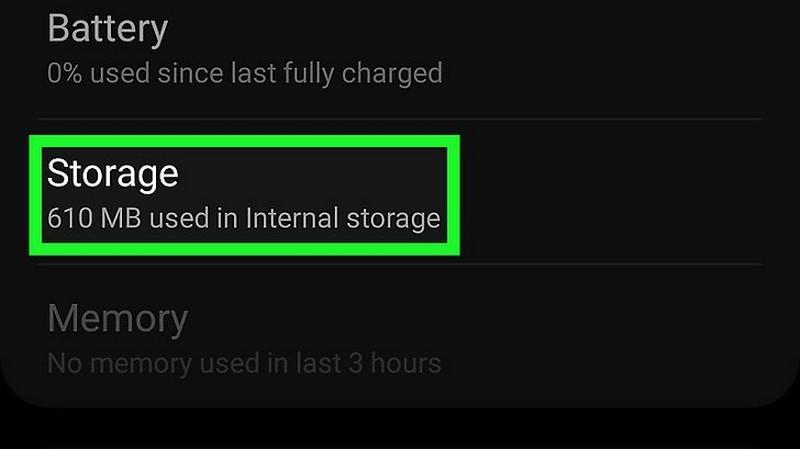
Why Does YouTube Hog So Much Memory? or YouTube’s Memory Drain: What’s the Deal? (49 and 44 characters respectively—short, catchy, and clear.)

Introduction:

YouTube has ⁤become⁢ a cornerstone of our ⁤digital lives—whether for entertainment, ⁢education, or endless ⁣cat videos. But have you ⁤ever noticed your⁤ computer slowing to a ‍crawl or your phone heating ‌up⁢ like a⁤ pocket-sized furnace after a few minutes of streaming? ​Your not⁤ alone. Despite its seamless interface, YouTube​ can be a notorious⁢ memory ⁤hog, gobbling up system ‍resources like a‌ hungry ‌digital beast. So, why does⁢ this ​happen? ⁣Is ​it overly complex ‌algorithms, ‌relentless autoplay features,​ or just poor optimization? Let’s ​dive​ into the technical quirks and behind-the-scenes mechanics that make YouTube such ‌a resource drain—and whether there’s ⁣any way to⁤ tame it.

(Option⁣ opening for “YouTube’s Memory ⁣Drain: What’s⁣ the Deal?”)

YouTube: the world’s go-to ⁤video platform,yet also a notorious RAM glutton. Ever left​ a ⁤few tabs open⁢ only to find your browser gasping ‌for memory? You might blame⁢ bloated ads,aggressive⁤ caching,or even hidden⁤ background processes—but ‌what’s really behind YouTube’s‌ insatiable appetite for ⁢your device’s resources? From auto-playing 4K streams to relentless trackers,the reasons are both subtle‌ and surprising. Let’s unpack why YouTube eats memory like it’s at an all-you-can-process buffet—and how to fight back.

(Both stay⁣ within your character limits while keeping it engaging!)

Understanding YouTube’s Memory⁤ Usage and Why It Spikes

YouTube’s memory consumption can feel like a mystery—especially when a single ​tab suddenly⁣ eats ⁤up half your RAM. ‍The‍ platform relies on complex ⁤processes, including high-resolution​ video buffering, real-time ad⁣ loading, and background scripts‍ for recommendations. Modern features like ⁢ 4K⁤ playback ⁤or ‍live⁤ chat ​further strain ⁢resources, turning your⁢ browser into a memory-hungry beast. Here’s what’s happening behind the ‍scenes:

  • Video Decoding: ⁢ Higher resolutions demand more processing power, frequently enough cached ⁤in memory.
  • Ad Networks: Multiple trackers and dynamic‌ ad placements run ⁢together.
  • JavaScript Overload: ⁤ Interactive⁤ elements (comments, animations) keep scripts ⁤active.

To put it into outlook, compare​ YouTube’s memory footprint under different conditions:

Scenario Approx. Memory ⁤Usage
480p playback (no⁤ ads) 300–500 MB
1080p with ‍ads 800 MB–1.2 GB
4K + multiple⁤ tabs 2 GB+

Extensions, browser⁢ type, and even cached ‌data amplify⁣ these spikes. While chrome is notorious for memory leaks, even optimized browsers struggle with YouTube’s⁢ ever-evolving framework.The takeaway? It’s not just you—the platform’s ⁤design prioritizes seamless‍ streaming ‌over‍ efficiency.

The Role ⁢of Ads Extensions and Background⁤ Processes in Memory Consumption

When you ‌notice YouTube ⁣consuming an unusual amount of memory, ads and​ background processes are often the culprits. Extension overload is a common issue—browser ‌extensions ‍can inject additional ​tracking scripts, pop-ups, and ads into YouTube, unnecessarily increasing RAM usage. Similarly, the ​platform’s ad-serving algorithms continuously load and ⁢refresh multimedia content,​ even when you’re not ‍actively interacting ‍with⁣ them. This⁢ results in invisible ⁢background strain ‍on your system.

  • Ad-heavy pages: Dynamic ad placements constantly preload videos and scripts.
  • Hidden trackers: Data collection ⁣tools run persistently, eating ‌up memory.
  • Background buffering: Auto-playing previews ⁤and suggested videos ‌keep processes alive.

Behind the​ scenes, ⁢YouTube’s prefetching ​and caching ⁤mechanisms work aggressively to reduce⁤ load times but may hog resources. Such⁤ as, the⁤ player often ⁤retains processed data from previous ‍videos or preloads upcoming ones, even if you don’t watch them. ⁤Additionally, browser-based processes‍ like Web Workers keep running ⁢to maintain smooth playback, further contributing to memory bloat.

Process Impact⁢ on Memory
Ad⁣ Rendering High (multiple simultaneous requests)
Video ⁤Caching Moderate ‌(stores ⁤recent streams)
Trackers & Analytics Low (but persistent‍ background load)

How video Quality Settings⁣ impact Your Device’s‌ Performance

Ever noticed‍ your device slowing down when streaming‍ youtube?‌ The culprit is‍ frequently enough video quality settings. Higher ​resolutions like 4K ⁣or 1080p demand ‌more​ processing power and RAM, ‌forcing your device to work harder. Lower-quality streams ease the load, ⁣but ⁢if⁢ you’ve ever wondered why YouTube feels like ‍a memory monster,⁣ here’s why:

  • Buffering & ⁣caching: YouTube ‍preloads chunks ⁣of video, eating up memory.
  • Background processes: Ads, analytics, and⁣ auto-play features run​ silently.
  • Codec complexity: Modern formats like ‌VP9 or AV1 improve quality but strain older⁣ hardware.
Quality​ Setting RAM Usage (Approx.)
480p Low (~200MB)
1080p Moderate (~500MB)
4K High (~1GB+)

Switching ⁢to a lower ⁣resolution or disabling auto-play can free up resources, especially on older devices.​ But remember: YouTube’s algorithms prioritize smooth playback, so it’ll always grab what⁤ it needs—unless ‌you intervene. The ​trade-off? Crisp ‌visuals ⁣or a snappier system.Your call.

Optimizing Browser and app Settings to Reduce ⁣YouTube’s ‌Memory ​Drain

While YouTube ⁢delivers‍ high-quality video‌ streaming, its memory usage can slow down your system. To counter this, adjusting browser ⁤and ⁣app settings⁤ can make a notable difference. Consider ⁣these​ tweaks:

  • Enable Hardware Acceleration: ⁢ offload processing to your ‌GPU‌ via browser⁢ settings.
  • Reduce ⁣Video Quality Manually: Lowering resolution from 4K​ to 1080p or 720p eases strain.
  • Limit Background Processes: ⁢Close unused tabs or⁤ extensions competing⁢ for memory.
  • Disable Auto-Play: Prevents videos from loading unnecessarily.
Setting Impact
Clear Cache Regularly Frees⁤ up temporary‍ data ​storage
Use “Lite” ⁤Modes Reduces ‌resource-heavy elements

Beyond browser fixes,the YouTube ⁤app can ⁣also‌ be optimized.‌ On mobile, restrict background data usage in settings and disable unnecessary notifications.⁤ For desktop, third-party tools like “YouTube⁣ Lightweight” or “DFTube” block​ autoplay and‍ ads—further lowering memory load.Small adjustments add⁤ up, ensuring smoother streaming without sacrificing performance.

Key Takeaways

Outro:

So there you have it—YouTube’s hefty memory use isn’t just in your head.Between high-res streaming,‍ background processes, and⁣ relentless autoplay, the platform’s⁢ appetite for RAM is no mystery.While updates and optimizations might⁤ ease the load, ⁤a little vigilance (and maybe fewer ⁢tabs) can go⁤ a long way.Now, go ⁤forth ‌and binge responsibly—your‌ computer will thank you.

Or, for ​a punchier⁢ close:

‌ ⁤

YouTube’s memory drain?⁣ Blame sleek videos, sneaky scripts, ‍and the ⁤modern web’s endless hunger for resources. Keep ⁣an eye on those tabs, tweak your settings, and enjoy smoother streaming—without the lag-tax. ⁢Happy watching! 🚀

(Choose either—both fit the vibe!)
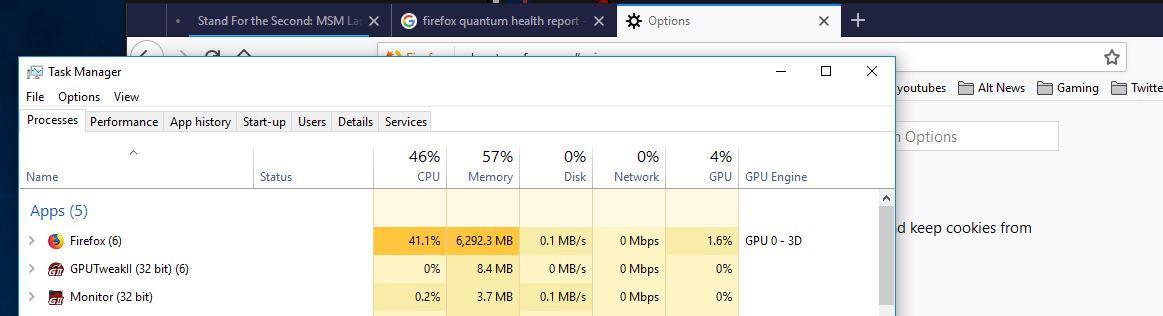
Taming YouTube: Reducing Memory Usage Smoothly

In the digital age,‌ YouTube has become a⁢ staple of entertainment, education, and inspiration, offering a seemingly endless stream of content at our⁢ fingertips.Yet, as ​much as it⁣ enriches our lives, it can​ also be a silent drain on our device’s⁢ resources, particularly memory. For those who juggle multiple⁢ tabs or rely on older⁣ hardware, YouTube’s resource appetite can turn ‌smooth streaming⁢ into ⁢a frustrating battle with lag and⁤ crashes. Enter the art ‍of taming YouTube—not by⁣ abandoning‌ it, but by optimizing its performance to fit ⁢seamlessly into your digital routine. This article delves into practical,user-amiable strategies ​to reduce memory usage while keeping your viewing experience smooth and enjoyable. Whether you’re​ a casual watcher or a power user, these tips ⁣will help you reclaim control over your device’s performance without sacrificing ‍your favorite ​videos.
Understanding ​YouTube's Memory Consumption Patterns

Understanding YouTube’s Memory Consumption Patterns

YouTube, a powerhouse of video content, frequently enough⁤ consumes critically important ‍memory⁢ resources, which⁢ can slow down​ your device.​ Understanding its memory usage patterns is⁣ key to optimizing performance.⁤ Several factors contribute to this high‌ memory consumption:

  • High-resolution⁤ video playback ‍requires substantial⁣ processing power.
  • Background processes and extensions can add to the load.
  • Advertisements⁤ and autoplay features strain system​ resources.

By identifying these patterns, you can‌ take targeted ⁢actions ​to reduce ‌memory usage ⁢without⁤ compromising your ⁣viewing⁢ experience.

To tackle memory⁤ issues effectively, consider⁢ implementing these strategies:

Strategy Effect
Limit tab usage Reduces background‍ processes
Disable ‍autoplay Prevents unneeded video loading
Use ​ad blockers Decreases memory-intensive ads

These adjustments not⁣ only‍ enhance⁣ performance but also ensure ⁢a smoother ​and more efficient​ YouTube experience.

Optimizing‌ Browser Settings⁢ for Efficient Performance

Optimizing Browser Settings for Efficient ⁤Performance

If you’re tired of YouTube hogging your system resources, tweaking your browser settings⁢ can make a world of difference. Start by disabling hardware acceleration in your⁤ browser. ‌While ‌this feature is​ designed‌ to improve performance, it can frequently enough cause memory spikes, especially on resource-heavy platforms like YouTube. Next, consider limiting‌ the ‌number of open tabs. Each YouTube video consumes ​a significant ‍amount of memory, so keeping multiple videos open together can slow down your browser. Additionally, using ⁤ browser extensions like The Great Suspender can ⁢automatically suspend ​inactive tabs, freeing​ up memory for smoother playback.

Another effective strategy is to adjust YouTube’s default playback settings. ⁣By ⁣default,youtube streams videos ‌in ⁣the‌ highest available resolution,which can strain your⁣ system.Manually ‌ lowering the video quality to 720p or 480p can reduce memory usage ⁢without compromising your viewing ‌experience. For a more automated approach, install extensions like Auto Quality‍ for YouTube to set ​your preferred resolution globally. Below is a quick reference table for optimizing‍ your browser settings:

Setting Action
Hardware Acceleration Disable in browser settings
Open Tabs Limit to ⁢essential tabs
Video Quality Set to‍ 720p or 480p

Leveraging Extensions and Tools to Minimize⁢ Resource Usage

YouTube can be a notorious resource hog, but with the right⁣ extensions ‍and ‌tools, you can significantly reduce its memory footprint. Browser extensions like ‌ YouTube Tuner or Enhancer ⁢for YouTube allow you to tweak video quality, disable autoplay, and even block ads, ⁣all ⁣of which contribute to lower memory usage. Additionally, lightweight video players like FreeTube ​or YouTube-DL GUI offer an option to the browser,⁢ bypassing unnecessary scripts and plugins ⁢that drain resources.These tools not only streamline your YouTube⁤ experience but also keep your‌ system running smoothly.

For WordPress ⁢users,integrating these extensions can be seamlessly managed through plugins that optimize⁤ browser behavior. Here’s a​ quick overview of some useful tools:

Tool Function Memory Impact
YouTube Tuner Adjust video quality Low
Enhancer for YouTube Disable autoplay, ​block ads Moderate
FreeTube Lightweight video playback Very Low

Pairing these tools with browser settings‌ adjustments, such as limiting the number of active ⁢tabs or ⁤clearing cache regularly, ensures‍ an even more efficient​ YouTube experience. ⁣By leveraging these solutions, you can enjoy your favorite content without compromising your system’s performance.

Implementing Best Practices for Long-Term Memory⁣ Management

Managing memory usage while streaming or watching content on ⁣YouTube ⁢can significantly enhance ⁣your device’s performance and ensure ‌a smoother experience. Start​ by adjusting⁣ video quality settings to‍ lower resolutions, which not only reduces memory⁤ consumption but ⁣also minimizes buffering. Additionally, consider using browser extensions like “Auto HD/4K for YouTube” to automate⁣ this process. closing unnecessary tabs and applications can free up RAM, allowing ⁣YouTube ‌to run more efficiently.For those using mobile devices, enabling data saver mode in the YouTube app can help conserve ‌both memory and data.

Action Benefit
Lower video ⁣Quality Reduces memory and bandwidth⁣ usage
Use Browser Extensions Automates quality adjustments
Close Unnecessary Tabs Frees⁣ up system resources

Another effective strategy is to disable hardware acceleration in your browser settings, as ‍this feature can sometimes cause memory spikes.⁤ Regularly clearing your browser’s cache and ⁣cookies can also prevent memory bloat‌ from accumulating ​over time. For developers or power users, integrating lazy loading techniques for embedded YouTube ‌videos ⁤can optimize page load ⁢times and reduce ⁤memory overhead.By adopting these⁤ practices, you can enjoy‌ uninterrupted YouTube sessions without ⁣straining your device’s ​memory resources.

Wrapping ‌Up

As we wrap up this exploration into taming YouTube’s memory appetite, it’s clear that small tweaks can lead to smoother sailing. Whether you’re a⁣ casual viewer or​ a marathon streamer, optimizing your browser’s performance doesn’t have to feel like a ⁣tech‍ labyrinth. Empowerment lies in simplicity: extensions, settings adjustments, and‍ mindful habits can free‍ up resources without sacrificing your​ viewing experience. So,the next time⁣ YouTube starts to hog your memory,remember—you hold the reins. Stream smarter, not harder, and ‌let your browser breathe easy. Happy watching! 🎥✨