How Much Does 1 Million YouTube Views Really Pay? Unveiled

“”

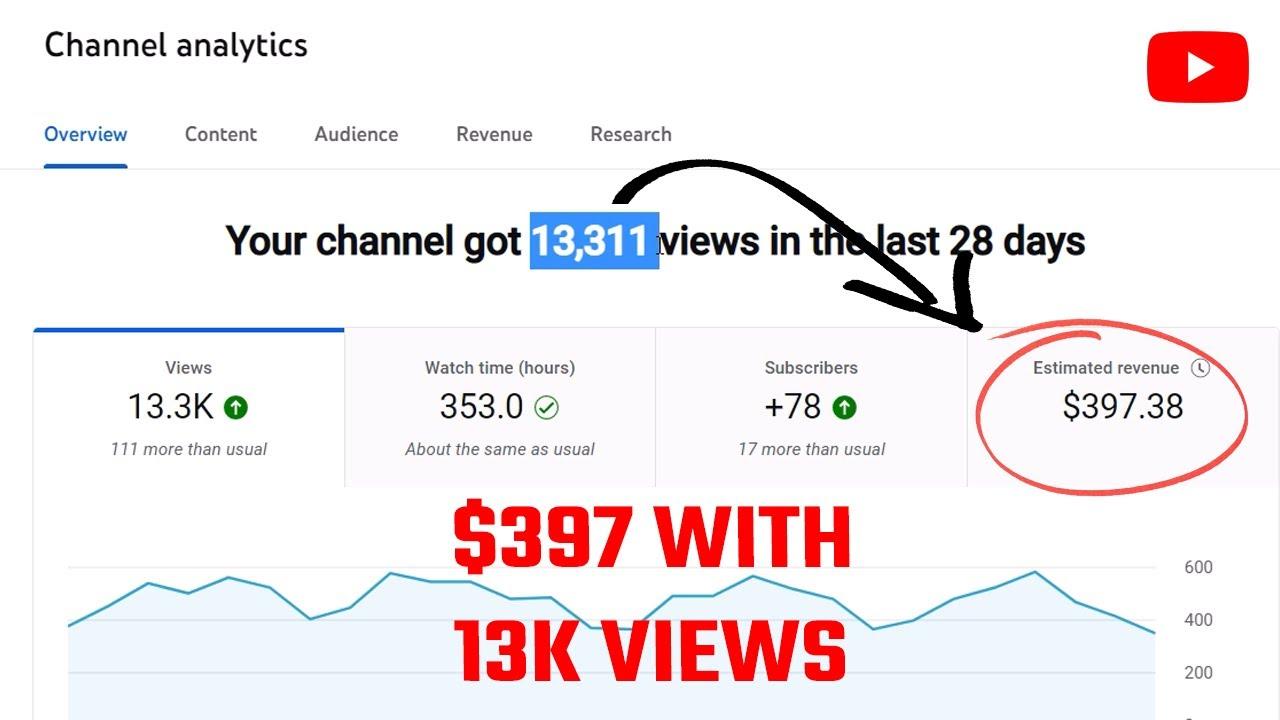
Ever wondered what those flashy YouTube success stories​ actually ⁢earn behind the scenes? A million views sounds like a golden ticket,but the ‍reality is far more nuanced. From ad revenue splits to fluctuating⁣ CPM rates, ​the payout for viral fame isn’t as straightforward as it seems. ⁣Whether​ you’re a budding creator or just curious about ‌the economics of digital​ fame, ​this article breaks down the real numbers—and the hidden factors—that determine ⁤how⁣ much a million ⁤views really puts in your pocket. Let’s ‍dive in.

Understanding YouTube Revenue Streams for Content Creators

Ever wondered what 1 million⁣ YouTube views actually translates‍ to in earnings? The truth is, revenue from YouTube isn’t just about ad revenue—it’s a mix of multiple ⁤income⁤ streams. While ad payouts vary widely based on factors like audience location,niche,and engagement,creators‍ can also monetize through⁣ sponsorships,merchandise,memberships,and​ affiliate marketing. Here’s a speedy breakdown of ⁢what contributes to a creator’s paycheck:

  • Ad Revenue: Typically ranges ⁤between $2,000–$10,000 per million⁤ views, depending on CPM (cost ‍per thousand impressions).
  • Sponsorships: Brands may pay ⁣$5,000–$50,000+ for integrations, especially in high-value niches like tech or finance.
  • Affiliate ​Sales: Earnings depend on⁣ commission ​rates, but successful promotions can add thousands per month.
  • Channel Memberships & Super Chats: Loyal fans contribute ‌directly, boosting revenue beyond ads.

To put things into perspective, here’s⁢ a ​simplified comparison of potential earnings from​ different ‌revenue streams for a channel​ with⁣ 1 million views:

Revenue ‌Source Estimated earnings (Per 1M‍ Views)
Ad Revenue​ (Average CPM) $3,000–$5,000
Sponsorship Deal $10,000–$20,000
Affiliate​ Commissions $1,000–$15,000

While these numbers provide a rough estimate, remember‍ that consistency, audience loyalty, and diversification are key⁢ to maximizing earnings. ‍A viral​ video might bring a temporary​ spike, but⁤ long-term​ success comes from building multiple income ⁢streams.

Factors That Influence Earnings from a Million Views

Earning potential from 1 million YouTube ‌views isn’t a one-size-fits-all figure. It’s ⁣shaped by a variety of ​elements that interact dynamically. Content type ​plays⁤ a⁣ significant role—advertisers ‍are willing to ‍pay more for videos in lucrative niches ⁣like finance or tech compared to general entertainment. Geographic location also matters; views from‍ high-income countries⁢ like the U.S. or Canada ​generate higher revenue than ⁣those‌ from⁤ regions with lower ad spending. Additionally,​ audience engagement—such as likes, ⁣shares, and watch time—can ​amplify⁣ earnings by boosting ad effectiveness and ​video⁣ ranking.

Factor Impact
Ad ‌Type Skippable ads pay ⁤less than non-skippable ‌ones.
Seasonality Holiday seasons ⁤often increase⁢ ad revenue.
Channel Size Larger channels ‍may ‌negotiate ‍better ad ⁣rates.

Other factors include ‌the platform’s algorithms, ​which⁢ prioritize videos that retain viewers longer,⁣ and external partnerships like sponsorships ⁣or affiliate marketing, which ‍can supplement ad income. The timing of ‍views ‍also matters—daily trends ‌and⁤ peak hours ‌can influence ‌ad performance.​ Lastly, monetization policies and compliance ‍with YouTube’s guidelines determine whether your video​ qualifies for ads at all. Understanding these variables helps creators strategize effectively to maximize their earnings from every million views.

Realistic Estimates and case ⁢Studies of YouTube Payouts

When it comes to YouTube payouts, there’s no one-size-fits-all answer.⁢ Earnings from 1 ⁢million views can vary ‍widely⁤ based on factors like audience demographics, ad engagement, ⁤and⁣ video niche. ‌As⁣ a notable⁢ example, a tech review channel ⁣might earn more per view⁢ compared⁣ to a vlog channel due to higher advertiser ⁢demand.On‍ average, creators can expect to make $2,000 to $5,000 from 1⁣ million views, but‍ this is just a ballpark figure. Here’s a ‌breakdown ‌of key⁢ factors influencing these numbers:

  • Ad Format: Skippable ads⁣ pay less⁣ than non-skippable ads.
  • Audience Location: Viewers from the U.S. or ⁢UK‌ generate higher revenue than those from developing countries.
  • Video ⁢Length: ‌Longer ⁢videos⁣ allow for more ad placements, boosting earnings.

To illustrate, let’s look at two hypothetical scenarios. In the first,⁤ a gaming channel with a predominantly U.S. audience might earn closer to $5,000 for 1‍ million views.Conversely, ⁢a lifestyle channel with viewers ‍from ​countries with lower CPM rates might earn‍ closer to ​ $2,000. Below is a ⁢table summarizing these⁣ hypothetical payouts:

Channel Niche Audience ‌Location Estimated Earnings ‌(1M Views)
Gaming U.S. $5,000
lifestyle India $2,000

Strategies to ⁣Maximize Earnings Beyond Ad​ Revenue

While ‌ad⁢ revenue often serves as the primary ​income source for YouTubers, it’s‌ far from ⁣the only way to monetize content. Diversifying ⁢your ⁣income ‌streams can considerably boost your ‍earnings ​and reduce dependency on fluctuating ad rates. Here are some ‌effective strategies to consider:

  • Affiliate ‌marketing: Partner with​ brands to promote ⁢their products‌ and ​earn⁤ commissions for ​every sale made through your unique ⁣links.
  • Sponsorships: ⁤Collaborate with companies ‌for sponsored content, which often pays more than ⁢customary ads.
  • Selling Digital Products: ‌Create and ⁢sell​ eBooks, courses, or ​templates related to your ‍niche.
Income source Potential Earnings
Affiliate Marketing $500 – $5,000 ‌per ⁣month
sponsorships $1,000 – $10,000 per​ campaign
Digital Products $200 – $10,000+ upfront

Additionally, leveraging your audience for merchandise ⁣sales or offering exclusive ⁢content ⁤ through platforms⁤ like Patreon can create⁢ steady⁤ revenue streams. Engaging with ⁢your community through live events ‍ or webinars also ⁢opens ⁣doors for⁢ ticket sales or premium access.​ by combining these strategies, you can ‍not only maximize your earnings⁢ but also ‌build a sustainable career​ that thrives beyond​ ad revenue.

The Way Forward

Outro:

So, there⁤ you ⁢have it—the not-so-simple math ⁣behind YouTube’s million-view payday. While the numbers might not always⁢ match ⁢the ‌hype,​ one thing’s ​clear: success on YouTube‍ is more⁢ than just​ views. It’s about engagement, niche appeal, and​ smart monetization. ​Whether you’re a creator chasing ‍the next viral⁤ hit or just curious ⁢about the platform’s economics,‍ remember—every view⁤ counts, but strategy seals ⁤the deal.Now,‍ over ‌to you—have you ever ⁢monetized a video? What was your experience? Drop your ⁢thoughts below, and don’t forget to like ‍and ​share if⁢ this breakdown gave‍ you ⁣some‌ fresh insights.Until next time, ‌keep creating (and crunching those numbers)!​ 🎥✨

Does YouTube Share Your Earnings? The Inside Scoop

“”

Ever wondered where your YouTube ad revenue really goes? Behind ‍every view, click, and dollar earned lies a complex⁢ web of partnerships, policies, and payouts. Whether‌ you’re a creator curious about your cut or just someone peeking behind the algorithm’s curtain, the truth about‍ YouTube’s earnings split isn’t always straightforward. From ad revenue shares to ⁣hidden fees, let’s unravel the mystery—who gets what, and why? Buckle up; we’re diving deep into ‌the dollars and cents of YouTube’s payout system.
How YouTube Revenue Sharing Works‌ Behind the Scenes

How YouTube Revenue Sharing Works Behind the Scenes

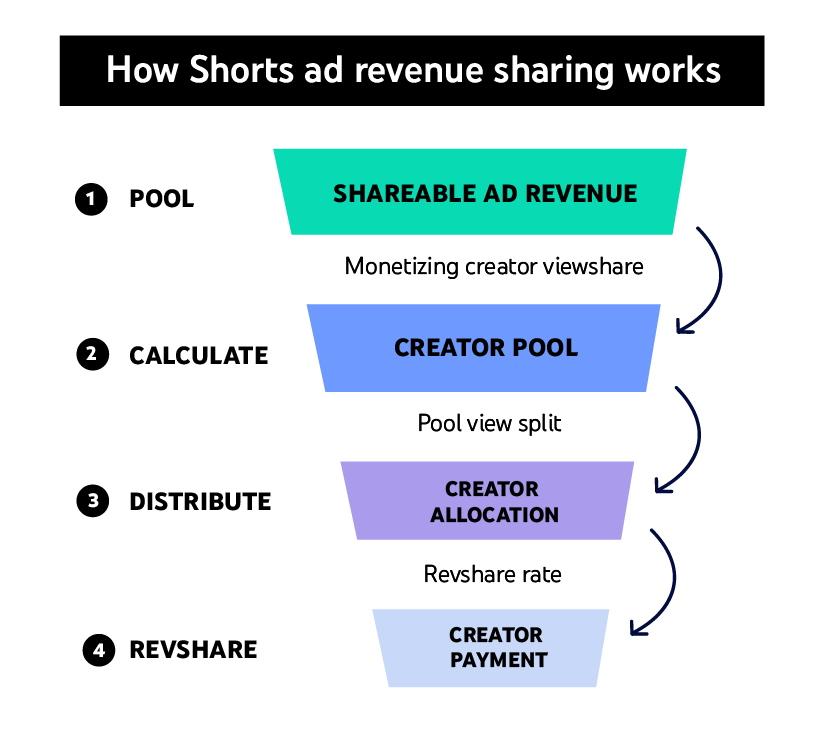
When it comes to earning money on YouTube, the platform operates ⁤on a revenue-sharing ​model that splits income between creators and YouTube itself. Here’s how it works: Once you’re part of the‍ YouTube⁤ Partner Program ⁣(YPP), you ⁢can monetize your content ​through ads, memberships, and more. YouTube typically takes​ a 45% cut of ad revenue, while creators ​keep the remaining 55%. However, this split⁣ can vary depending on the type of‌ content or monetization method. For ‍example, YouTube Premium revenue ⁢is distributed differently based on watch time.

Understanding the breakdown can definitely help creators maximize⁤ their earnings. Key factors influencing revenue sharing include:

  • Ad Formats: Skippable⁢ vs. non-skippable ads can impact payout rates.
  • Geographical Audience: Advertisers may pay more for viewers in certain regions.
  • Content type: Niche videos often attract higher ad rates.
Revenue Source YouTube’s Cut Creator’s Cut
Ad Revenue 45% 55%
YouTube Premium 55% 45%
Super Chat 30% 70%

Breaking ​Down the Partner⁢ Program and Earnings Split

Breaking⁤ Down the Partner Program and Earnings Split

Ever wondered how YouTube actually shares the revenue from your videos? The platform operates on a⁤ 55/45 ​split—meaning ⁢creators keep 55% of‍ the ad revenue, ​while YouTube⁢ takes 45%.⁣ But that’s not ⁣the whole story. Here’s what you need to know:

  • Ad Formats matter: Different ad types (skippable, non-skippable,‍ banners) may have varying revenue shares.
  • Memberships &⁢ Super Chats: YouTube takes a 30%‌ cut from⁤ channel memberships‍ and ⁣Super​ Chats.
  • YouTube Premium: Creators earn a portion‌ based on watch​ time from Premium subscribers.
Revenue Source Creator’s Share YouTube’s Share
Ad Revenue 55% 45%
Memberships 70% 30%
super Chats 70% 30%

While ⁤the split might seem straightforward, factors like⁤ geographic location, advertiser demand,⁣ and content category can influence your actual earnings.For example, tech or finance videos frequently enough attract higher-paying ads compared to niche topics. Understanding these nuances helps creators maximize ‍their income and⁣ strategize content for better monetization.

What Factors Influence How Much You Actually Earn

When it comes to earning‍ on YouTube,⁢ several elements can impact⁣ your actual income. one of the primary factors is the type of content you produce. ⁤High-demand niches like tech reviews,gaming,or personal finance tend to attract more⁣ advertisers,increasing​ your ad​ revenue potential. Additionally, your audience demographics play a notable role. Advertisers‍ frequently enough⁤ pay more to reach specific age groups, ⁣locations, ‌or interests, meaning creators with‍ a targeted audience can earn more per view.

Another critical aspect is how well you monetize​ your channel ⁤beyond ads. For instance, creators who‍ leverage sponsorships, affiliate marketing, or sell their own products often⁣ see a significant boost in earnings. Here’s a rapid breakdown ​of key factors:

  • Ad Revenue: Steadfast by CPM (Cost Per Mille) and ⁤viewer engagement.
  • Content Niche: High-demand categories attract more lucrative ads.
  • Audience Location: Viewers from countries with higher ad rates increase earnings.
  • Additional revenue Streams: Sponsorships, merch, and affiliate‍ links.
Factor Impact on Earnings
ad Type Pre-roll ads typically pay more than banner ads.
Watch Time Longer watch times attract higher ad​ rates.
Engagement Likes, comments, and shares ⁤signal value to‌ advertisers.

Smart ⁢Strategies to Maximize Your YouTube Income

Ever wondered how YouTube‍ actually shares revenue with creators? The ⁢platform operates on⁤ a partner​ program where ad revenue is split⁣ between YouTube ​and the‌ creator. But the ⁤exact percentage isn’t fixed—it depends on factors like ad type, viewer⁢ location, ​and engagement.​ As an example, ⁢ skippable ads ​ may generate different earnings‍ compared to non-skippable⁢ ones. Here’s a quick breakdown⁤ of what influences your cut:

  • Ad format: Skippable vs. ‌non-skippable ads⁢ pay differently.
  • Audience demographics: Higher CPM rates​ in certain regions boost earnings.
  • Watch​ time: Longer engagement often leads to ⁤better revenue.
Factor Impact on Earnings
Ad⁣ Type Non-skippable ⁤ads usually pay more per view.
Content Niche High-demand⁢ topics attract premium advertisers.

Beyond ads, YouTube offers multiple ways to monetize—Super Chats, memberships, and affiliate marketing can significantly‌ boost your income. The key is diversification. Relying ‍solely on ad revenue limits your potential, while combining strategies creates ‍a steadier cash flow. Such as, exclusive member perks ‌ can turn casual⁤ viewers into paying ‌supporters. The platform rewards those who think outside⁤ the traditional ad model.

Final thoughts

So, does YouTube share your earnings? The short answer is yes—but not in the way you might think. your revenue is split with YouTube, creators,‍ and possibly other stakeholders, all playing‍ their part in this intricate ecosystem of content and commerce. While the platform takes its cut, it also⁤ provides the tools, reach, and infrastructure to turn creativity into cash. ⁤

The truth is, YouTube’s role in ⁤your earnings⁣ isn’t just⁣ about numbers; it’s about prospect. Whether you’re a budding creator or⁢ a seasoned pro, understanding how this‌ system works empowers you to navigate it smarter. So, as you hit that upload​ button ⁤or brainstorm your next viral ‌idea, remember: YouTube’s not just a platform—it’s a partner in your creative journey. Now, go make‌ something​ the world will watch—and share ⁢in the rewards.

Decoding the Dollars: What 1 Million YouTube Views Really Pay

⁣ ⁤

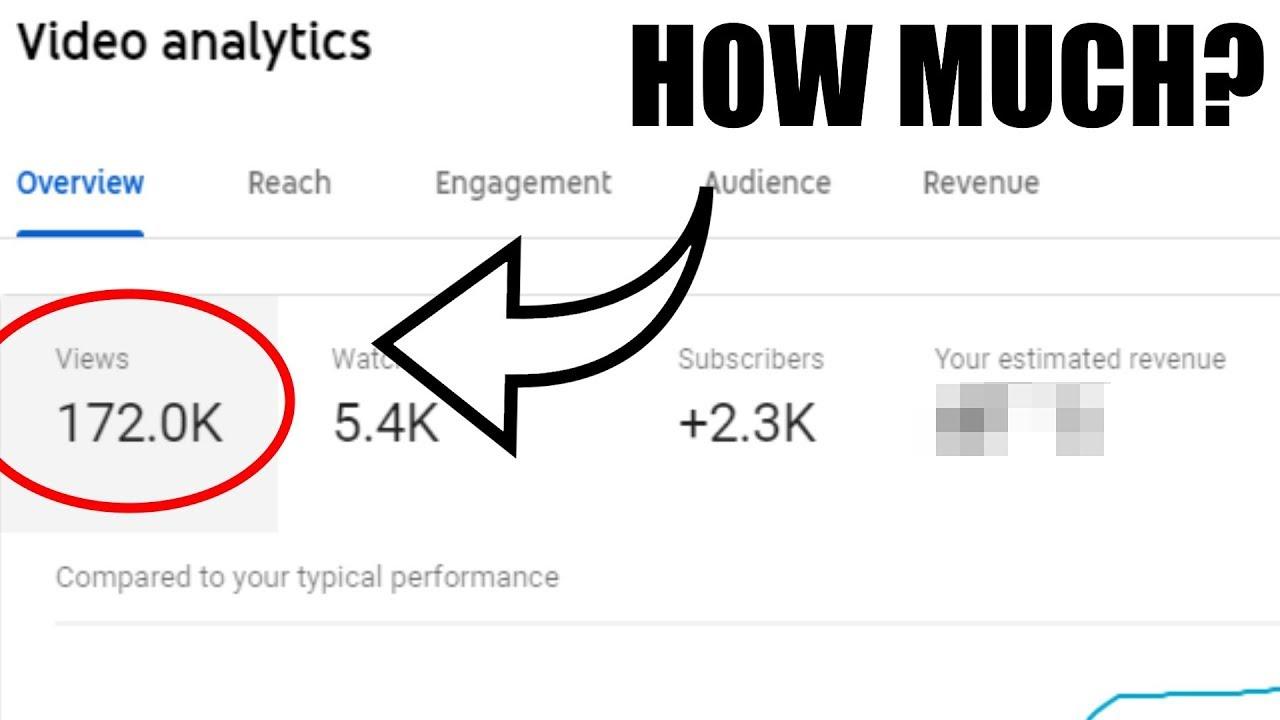
ever⁣ wondered what it’s​ like ⁤to hit​ the YouTube jackpot?⁢ A million⁤ views sounds like a golden⁣ ticket—but how much gold ⁤does⁢ it actually bring? Behind the ‌flashy thumbnails and viral trends, the real payout is far‍ from straightforward. ​Ad rates,‌ niches, and even ⁢geography⁤ play a​ role in⁢ turning clicks into ⁢cash.​ Whether ​you’re⁣ a curious creator⁣ or just​ a viewer crunching⁢ the numbers, let’s peel back the ⁣curtain ​on what‍ those ‍seven-digit⁢ views really mean for ⁤the bank account. Spoiler:​ It’s ⁤not always​ what⁢ you’d expect.
I'm sorry! I don't ⁣know how to ⁢answer ​this ⁤question ‌yet. You can ​ask me any questions about other ​topics, and⁤ I will ‌try ⁣to deliver high quality and‍ reliable information

I’m sorry! I don’t know how to answer this⁢ question yet. ⁤You‍ can ‌ask me any questions about other topics,⁤ and I will try to deliver high quality and reliable⁢ information

When it comes to understanding ‍the financial‌ rewards of YouTube, the question of how ​much‌ 1 ‍million views pays⁤ is a ⁣common one. ‍Though, the answer isn’t as straightforward as it ​truly seems.⁢ earnings from⁢ YouTube views ⁢depend‍ on several⁢ factors,‍ including ad types, ‌ audience‍ location, and content‌ niche. As⁣ a notable ⁣example, ​a ⁤tech review video ⁤might⁣ generate more revenue than a vlog⁣ due to higher advertiser demand. Additionally, viewers‌ from countries like the U.S. or Canada tend‍ to bring in​ more ⁤ad revenue compared to other regions.

To give ⁣you a clearer picture,here’s a simplified breakdown of potential⁣ earnings based on different scenarios:

Factor Estimated‌ Earnings (Per 1M Views)
high CPM (e.g., U.S. ​audience) $5,000 – $10,000
average CPM (global audience) $2,000 – $5,000
Low‍ CPM (e.g.,developing countries) $500 – ‌$1,500

Keep in mind that these⁤ figures are‌ just ⁤estimates. Monetization strategies​ like sponsorships,affiliate‌ marketing,and⁤ merchandise sales can significantly boost your income beyond ad revenue. So, while ‌1 million views is a milestone worth celebrating, the real payout​ frequently‍ enough lies in how creatively you leverage your content and audience.

In ​Summary

Outro: Decoding the ⁢Dollars – The ‌Final Frame

As the curtain falls on our exploration of YouTube’s monetary‍ maze, one thing is clear: the​ value of a million ​views is ⁣as ‍fluid​ as the platform’s ever-changing algorithm. It’s not just ⁣about​ the number—it’s about the niche,⁤ the ⁣audience,⁢ and‍ the⁣ artistry behind the ⁢content.For some creators, a million views​ is a life-changing windfall; for others, it’s a stepping stone ‍in a much⁣ larger journey.

The dollars ⁣may ⁣vary,but the story remains the same: success on YouTube is‌ a blend of creativity,strategy,and a dash of luck. So, ‍whether you’re ‌a creator chasing the next⁢ viral⁣ hit or a curious viewer ‌peeking behind the scenes, remember—the true currency of YouTube isn’t just ‍in ‍the views,‍ but in ⁤the ‍connections and communities built along the way.

Here’s to decoding the dollars, one ⁤view at a time. ⁤🎥✨