Mastering National Self-Closing Screen Door Hinge Installation

Imagine the gentle hum of a summer ⁤breeze drifting through your home,​ unhindered by ⁢pesky flies or stray critters. the secret to this‌ seamless ⁣blend of comfort and ‍practicality lies ‍in the humble yet indispensable national self-closing screen door‍ hinge. These unassuming devices are ‌the unsung heroes ⁣of everyday convenience,‍ ensuring your screen door swings⁣ shut with precision every time. Yet, mastering their installation isn’t just about tools and technique—it’s about transforming functionality into artistry.‍ Whether⁤ you’re a seasoned ​DIY enthusiast or a curious novice, this guide will walk ‌you‌ through the steps to install these hinges ​like a pro, ensuring your screen door operates flawlessly for years to come.⁢ Let’s open the door ‌to mastery, one hinge at‍ a time.

Understanding the Components and Tools Needed for Installation

Before diving into the ⁤installation process,‍ it’s essential to familiarize yourself with‌ the key components and tools required for a seamless ‍setup.‍ A self-closing​ screen door​ hinge system ‍typically includes hinge plates, spring mechanisms, and adjustment screws—each playing a crucial role in ensuring smooth operation. ⁢Additionally, you’ll need basic ⁤tools such as a screwdriver, ⁣ measuring ‌tape, and ​ drill to secure the hinges properly. Don’t overlook optional accessories ⁣like lubricant for maintenance or shims ⁢ for alignment adjustments.

To ensure a hassle-free installation, ⁢gather the following items beforehand:

  • Hinge set ‍(including top and bottom hinges)
  • Mounting screws (check for corrosion-resistant options)
  • Level for precise‌ alignment
  • Pencil or marker for marking drill points
Component Purpose
Spring Mechanism Provides the self-closing tension
Adjustment Screws Fine-tunes closing speed and force

Step by Step ​Guide to Aligning and Mounting the Hinge

To ensure your self-closing screen door operates smoothly, aligning and mounting the‍ hinge correctly is ⁢essential. Begin by positioning the hinge against the door frame, ensuring it is evenly⁣ spaced horizontally and vertically. Use a level to confirm the alignment is perfectly straight. Mark the⁤ screw holes​ lightly with a pencil to guide ⁢your drilling.Pre-drill the holes to prevent wood splitting, especially if working⁣ with hardwood frames.Secure the hinge with screws, tightening them firmly but not overly so, as this could warp the hinge or‍ frame.

Onc the hinge is⁤ mounted, check it’s functionality by attaching the door. Here’s a rapid ‍checklist to ensure everything is ‌in order:

  • Alignment: Door should swing freely ​without‌ rubbing against the frame.
  • Gap: Maintain a‍ consistent gap between the door and frame for smooth operation.
  • Self-Closing⁢ Mechanism: Test the door to ⁢ensure it closes firmly and smoothly.
Step Tool Needed
Positioning Hinge Tape Measure, Level
Pre-Drilling⁤ Holes Drill, Appropriate ⁣Drill Bit
Securing Hinge Screwdriver, Screws

Tips for Ensuring Smooth Operation and Longevity

To ensure your ⁢National self-closing screen door hinge operates flawlessly for years to come, consider these practical steps. Regular Maintenance is key—clean the hinge‍ mechanism periodically‌ to remove dust and ⁤debris, which can hinder smooth‌ movement. Apply a ‌light lubricant, such as silicone spray, to the ‍pivot points every few months to⁣ reduce friction and prevent wear. Additionally,inspect the door alignment regularly; ‌even ⁢minor misalignment can​ strain the hinge and compromise its functionality.

Task Frequency
Clean hinge mechanism Monthly
Lubricate pivot points Every 3 ⁢months
Check door alignment Bi-monthly

Environmental Considerations also play a⁤ significant role in preserving your ⁣hinge. ‌Avoid exposing⁣ the door to extreme weather conditions, as prolonged​ moisture⁤ or heat can ​degrade the hinge’s materials.If your door is in a high-traffic area,⁤ consider installing a protective shield to ​minimize physical impact. Lastly, ⁣ensure the door’s weight does​ not exceed ‌the hinge’s capacity—an overloaded hinge will wear out prematurely. By following these simple yet⁢ effective measures, you can⁣ extend the lifespan of your‌ installation and maintain⁣ optimal performance.

Troubleshooting Common Issues and Maintenance Strategies

Even ​the best‍ installations can⁤ encounter hiccups.If your self-closing screen door isn’t functioning smoothly, check for these common issues:

  • Misaligned ‌hinges: Ensure the door‌ is level and ​the hinges are properly seated.
  • Stiff movement: Lubricate the hinge mechanism with a silicone-based spray.
  • Loose screws: Tighten all fasteners to prevent⁣ wobbling ​or sagging.
  • Worn-out springs: Replace them if‌ the door doesn’t close firmly.

Regular maintenance⁤ keeps your hinges in top shape. Follow these strategies to extend their lifespan:

Task Frequency
Clean hinges Every 3 months
Check alignment twice a year
Lubricate moving parts annually

To Wrap It ​Up

Outro:

and there ‍you have it—your​ guide to mastering the art of national self-closing screen door⁢ hinge installation! With the right tools,patience,and a little finesse,you’ve now unlocked the secret to smooth,effortless door swings​ and long-lasting performance. Whether you’re keeping bugs at bay or simply adding a polished touch to your entryway, a well-installed ‍hinge makes all the⁤ difference.

So go ahead, step back,⁤ and admire your handiwork. Your door closes like a dream, and you? You’ve just leveled up your ⁤DIY game. Until the next home advancement adventure—happy hinging! 🚪✨

Mastering the Art of Hanging Pool Table Lights on Drywall

Lighting‌ a ​pool table isn’t just about visibility—it’s about creating an atmosphere where precision meets‌ ambiance. Hanging the perfect pool table light is an art ​form in itself,‌ especially when​ dealing with drywall, a ​surface that demands both care and strategy. Whether you’re a seasoned DIY ⁤enthusiast or a​ homeowner looking to elevate⁢ your game room,mastering the nuances of this task ensures your pool table shines ​in both form and function. This guide will walk you ⁢through⁤ the essentials, from selecting the right fixture to⁣ executing a secure and stylish installation. let’s illuminate your ‍space, one‍ careful step at a time.
Choosing the Right Pool Table Light for ‍Optimal​ Illumination

Choosing the Right Pool Table Light for Optimal Illumination

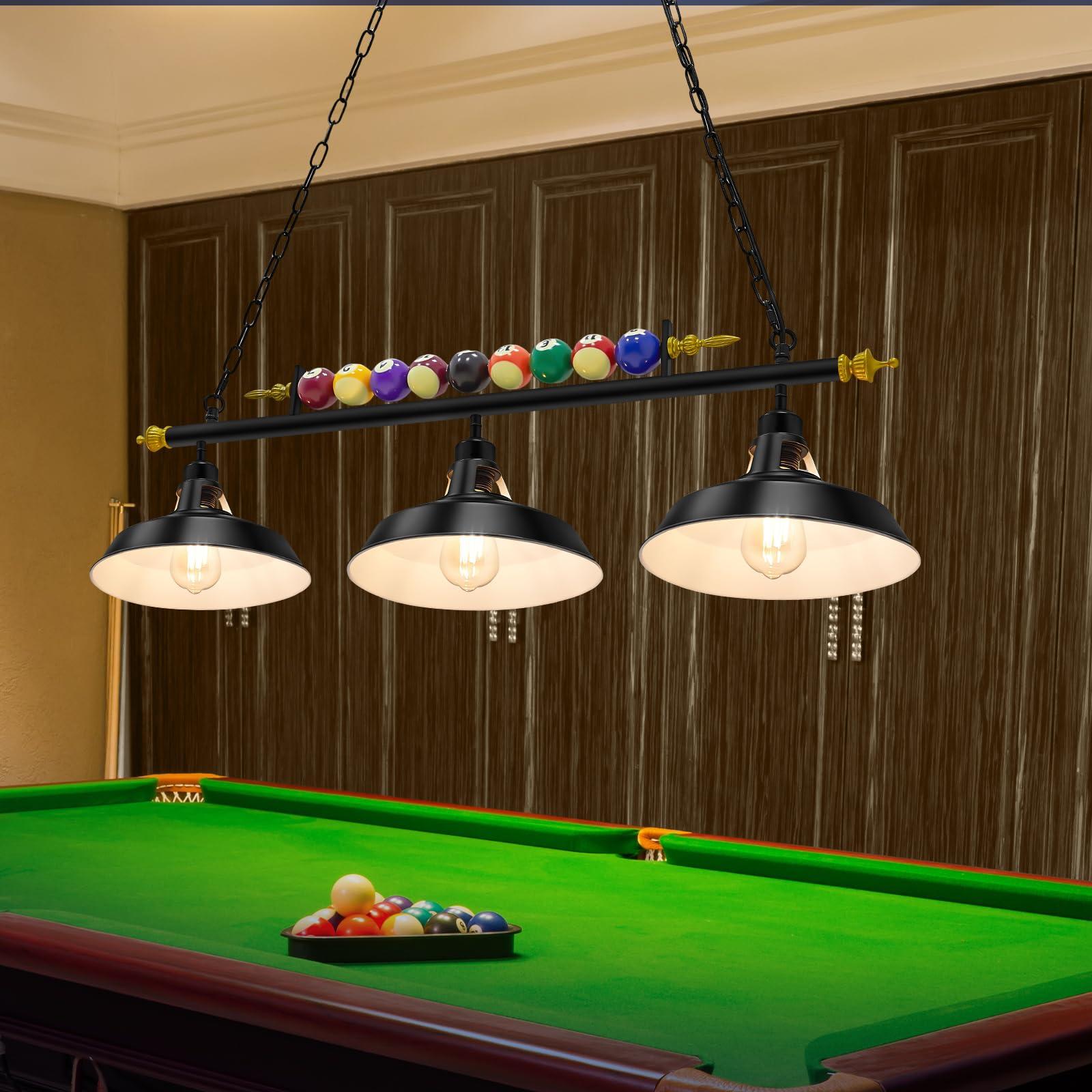
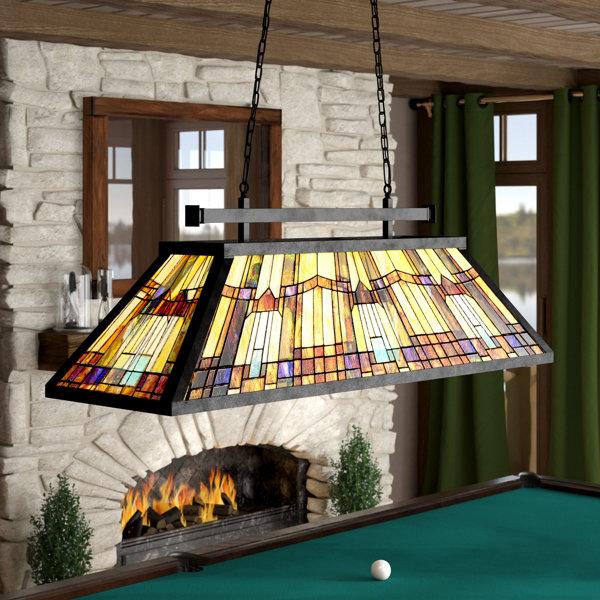
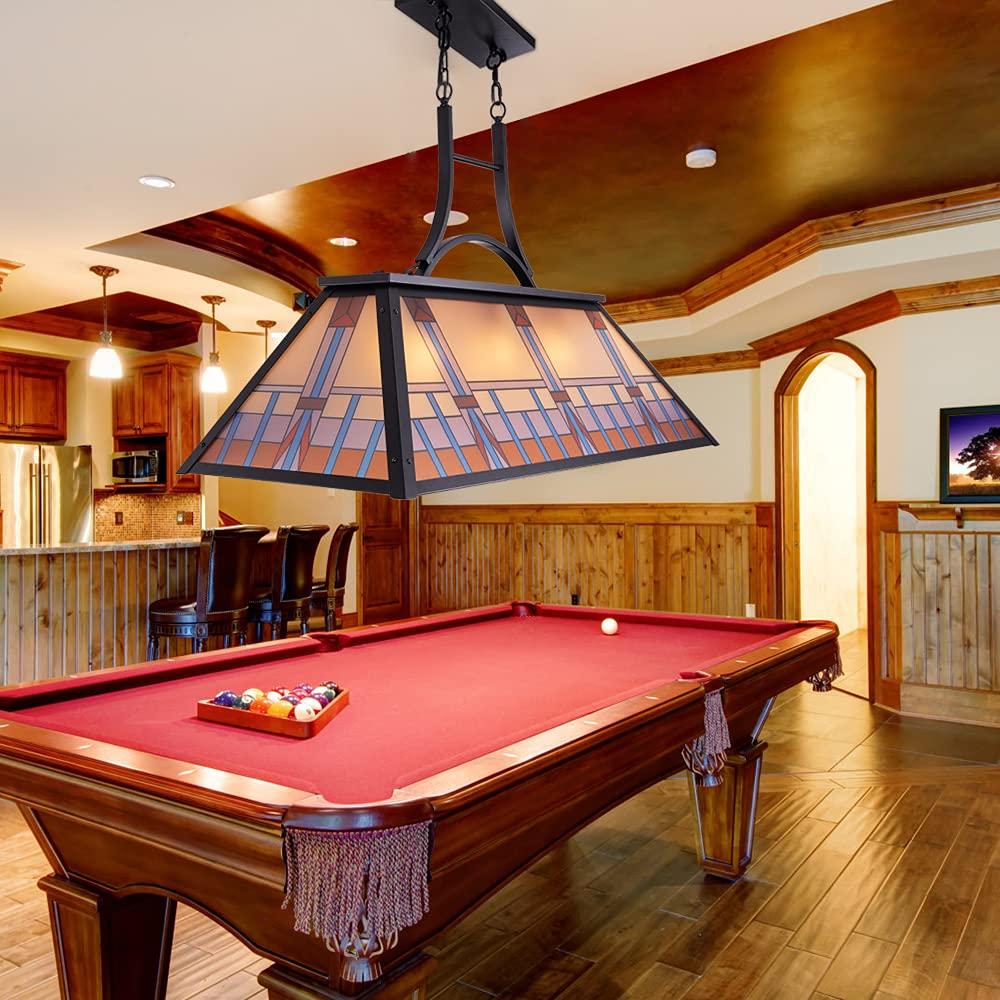
Selecting the perfect lighting for⁢ your pool table ‍is crucial ​for both functionality and ambiance. The right fixture not only enhances visibility but‍ also adds a touch of style to your game room. Opt ⁢for lights that ‍provide⁣ even,⁢ shadow-free illumination across the ​entire playing ‌surface. Pendant lights with adjustable heights are ideal, as they allow you to ⁣customize the light spread. Consider LED ‌bulbs for their energy efficiency and long-lasting⁢ brightness. Additionally,⁣ the design of the light should⁣ complement your room’s decor, whether you prefer a modern, minimalist look or a more classic, vintage aesthetic.

Feature Importance
adjustable Height Ensures‌ optimal light‍ coverage
Bulb Type Affects brightness and energy use
Style Enhances⁣ room aesthetics

When it comes to installation, safety and stability are key. Ensure that your drywall can‌ support the ⁣weight of the light ​fixture by using appropriate anchors or a ⁣mounting⁣ bracket. ‍If you’re ‍unsure, consulting⁣ a professional is always‌ a wise⁤ choice. Properly spaced ⁤lights—typically⁢ 30 ⁢to 36 inches above the table—will prevent glare and shadows, making your games more enjoyable.⁤ Remember,the goal⁢ is to create ‍a ​well-lit space that ⁢elevates your pool-playing experience while ⁢maintaining the ⁤integrity of your drywall. With the right planning, your⁣ pool table light will be both a functional and‌ decorative asset ‍to your game room.

Essential ‍Tools and⁣ Materials for Securely Mounting on Drywall

essential Tools and Materials for Securely‍ Mounting on Drywall

When it comes to hanging pool table lights on drywall,​ having ⁤the right ‍tools⁤ and⁢ materials is crucial for ⁢both safety and ⁤precision.Start with a stud‍ finder to ⁢locate the studs behind the drywall, ensuring a secure anchor point. You’ll ⁤also need a high-quality drill to create pilot holes and a ⁤level to ensure your lighting is perfectly aligned.‌ Additionally, drywall anchors are essential for providing extra support if the studs aren’t in the ⁤ideal⁣ position. Don’t forget a tape measure ‌to mark accurate distances and a pencil ‌ for clear⁢ markings. ‌These⁤ tools ⁢will set⁤ the foundation for a sturdy and ‍professional installation.

To complement your toolkit, gather the following materials: heavy-duty screws designed for drywall, mounting brackets tailored for ⁢your light fixture, and wire connectors for safe electrical connections. If your light⁤ fixture is particularly heavy, consider using toggle bolts for ⁤added stability. Below is ​a ‍swift reference table​ to help you organise your essentials:

Tool/Material Purpose
Stud Finder Locate⁢ studs for ⁣secure mounting
Drywall Anchors Provide support in⁢ drywall
toggle‌ Bolts Stabilize heavy fixtures
Wire Connectors Ensure safe electrical connections

With ​these tools and materials at⁤ your disposal, you’ll be well-equipped to tackle the task with confidence and precision.

Step-by-Step​ Guide to⁣ Positioning and Installing with Precision

To​ achieve a flawless installation, start by ‍ marking the precise spot where the light ‍will hang. Use a⁣ measuring tape ⁤ to ensure the fixture is centered⁣ over the pool table and at the⁣ correct height, typically 32-36 inches‌ above⁤ the playing surface. Next,⁤ locate the ceiling joists using a stud finder to ensure⁢ a secure ⁣anchor point. if ⁢the light isn’t centered over a joist, ‌install a ceiling brace or toggle bolts ‍ for added stability.‍ Double-check all measurements before ⁣drilling to avoid costly mistakes.

Onc the ⁢position is​ confirmed, attach the mounting bracket securely to the drywall or joist. then, connect the wiring ​ following the manufacturer’s⁣ instructions, ensuring the ​power is turned off ‌at the breaker for safety. ​When handling the fixture, enlist a helper to hold it in place while you secure it to ‌the mounting⁢ bracket. test​ the light ⁢ to ensure it’s level and fully​ functional. ⁣For‌ reference, here’s ‍a quick checklist to guide you:

Step Key Action
1 Measure and mark the center point
2 Locate and ⁢secure⁣ to a joist ‍or brace
3 Install⁣ the mounting bracket
4 Connect wiring and‌ secure the fixture

Tips for Maintaining Stability ‌and aesthetic Appeal Over Time

Ensuring your pool ‌table lights remain securely fastened ‍while enhancing the room’s aesthetic requires a blend of practicality and creativity. Start by choosing the right hardware—opt for heavy-duty drywall‍ anchors or toggle bolts to handle the weight of the fixture. This prevents⁤ sagging or detachment over time. additionally,position the lights symmetrically above‌ the table to ⁣maintain balance and avoid⁣ uneven lighting,which‌ can distract ‍players and detract from the​ room’s ⁤appeal. Regularly inspect the mounting hardware for signs ‍of wear, especially in humid environments, to prevent unexpected issues.

To elevate the‍ visual impact, consider​ the fixture’s design and finish—match it ⁢with the⁢ room’s decor for a cohesive ‍look. For added stability,⁢ use a wooden board or ⁢backer secured ‌between the drywall and⁢ the light fixture to ⁤distribute‌ the‍ weight evenly. Here’s a quick guide to ​help you balance functionality⁤ and style:

Element Tip
Hardware Use heavy-duty anchors⁢ or toggle bolts.
Positioning Ensure symmetrical alignment above⁣ the​ table.
Design Match the fixture​ with room⁣ decor.
Backer ​Board Install​ a wooden board for weight⁣ distribution.

By combining these techniques, you’ll achieve⁢ a setup that’s both durable ⁢and visually appealing,‌ ensuring your pool table area remains a focal​ point for years to come.

Closing Remarks

Outro:

And there you have it—your ‍pool table is now bathed in ‌the ⁢perfect glow, ready for ​hours of⁢ smooth gameplay.Whether you’re a weekend player or a seasoned cue artist,‍ the‍ right lighting can elevate your experience from ordinary to extraordinary.So,step back,admire your handiwork,and let the games ⁣begin. after all, every great shot deserves the perfect spotlight.​ ⁤

Happy playing! 🎱✨